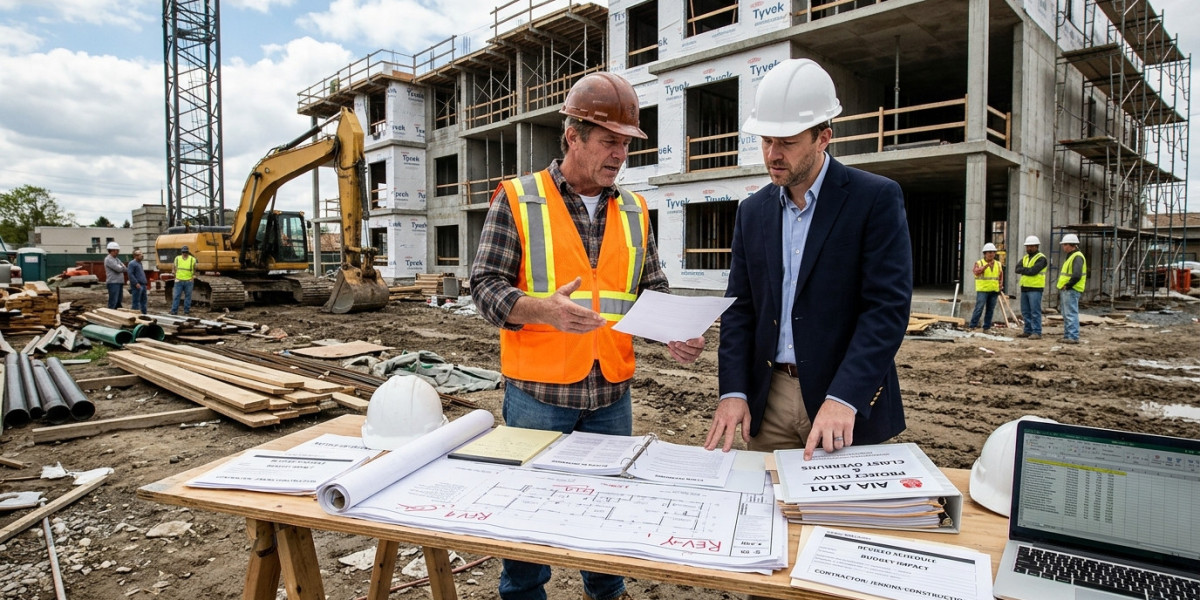

Projects involving construction involve many factors, including money, time and moving parts. To be successful, they require clear planning, as well as a set of rules. All parties involved in a construction project want to see it run smoothly, but problems do occur, and they can cause more than the initial cost. They are known as consequential damage and can often be unexpected for people who don't prepare early. Knowing this helps professionals protect profit, control risk and construct contracts to avoid costly litigation. Although many professionals focus solely on labour and material costs, the hidden risk is in delayed completion, business damages, and lost income.
Consequential damage is a loss caused by an error and not the cost directly associated with fixing the issue. This damage is caused by issues such as delays, substandard work or breached agreements. These problems can affect the future of your business and its results. In the case of an unfinished project by a contractor, rent is lost because the building does not open on time. While the actual cost of fixing the problem is considered a direct loss, lost rent can be viewed as secondary damage.
Direct Damages Versus Consequential Damages
They are easily visible because the damage is directly linked to the actual work that was performed. Included in these costs are the cost of repairing or replacing poor workmanship, purchasing new materials, and paying extra labour because of mistakes. Consequential damages tend to be more complex because they can have a wider impact, including lost profits, business interruptions or missed opportunities. By understanding both, professionals can craft strong contracts that reduce future conflicts and protect all parties.
Accurate Risk Estimation Plays A Key Role In Risk Reduction
Accurate cost planning reduces many risks that lead to delays and poor performance on construction projects. Professional estimating services provide clear cost breakdowns, timelines, and resource planning that support better decisions from the start. Strong estimates help teams avoid budget gaps, reduce mistakes, and maintain steady progress across all project stages. When planning improves, the chance of consequential damages becomes much lower, which protects both time and profit for everyone involved.
Use Technology For Damage Prevention
Modern construction and restoration projects rely on specialized services that improve accuracy, coordination, and financial control throughout the claims and repair process. Services like Xactimate estimating help contractors, adjusters, and property owners prepare detailed insurance claim estimates, verify repair costs, and manage scope changes with greater clarity. Accurate documentation and structured pricing support faster approvals, reduce disputes, and help prevent costly delays during restoration work. A well-prepared estimate also improves communication between all parties involved, creating a smoother workflow and better protection against financial losses.
Common Examples Of Construction Projects
In many cases, real-life incidents show the impact of consequential damages on both finances and personal relationships. If a delay is made in building a hotel, it can cause lost bookings, damage to the reputation of the property owner, and decreased long-term revenue. An installation failure can stop the production of a factory and cause major losses in income. If teams do not work together well, they can have problems with schedules that may affect contracts. These issues could lead to penalties or a lack of confidence in the business. If small problems are not handled early, they often turn into major financial difficulties.
Consider The Consequences Of Damages
In many cases, consequential damages are more important than actual construction costs because of their high level of financial risk. The lack of clear regulations about such damages can lead to legal disputes, long delays with payment and even lawsuits. These risks are studied early by smart professionals who create contracts that include clear limitations, expectations and obligations. Effective planning reduces stress, helps protect your reputation as a business, and builds trust with all the parties involved.
Consequential Damages In Contracts
Construction contracts usually include a provision that reduces or eliminates any liability for consequential losses between parties. This is called the waiver of consequential damage, and it protects parties from large indirect damages. Owners, contractors and subcontractors agree to only take on direct damages. This method creates balance by reducing fear and the potential for unlimited financial risks that may ruin a business with just one mistake. It is important to use clear contract language when negotiating project agreements. This will help you avoid any confusion.
Consequential Damages
Every professional gains from having clear strategies to reduce risks and ensure the success of projects from beginning to end. Contracts with strong damage clauses protect both the parties and their interests from significant indirect losses. Planned and scheduled tasks improve coordination while reducing delays. These can often result in financial losses. Regular communication builds trust amongst teams and helps prevent misunderstandings that can cause conflict and financial loss. When problems arise, the continuous monitoring ensures that quick actions are taken. This limits damage throughout the project.
Legal Perspective And Responsibility
Courts review project and contract details in order to assess the liability for damage resulting from disputes. In deciding who is responsible for consequential damages, judges look at communication records and contract terms. It is possible that claims for consequential losses will not be successful in court if the contract has a specific waiver. The parties are all harmed by disputes becoming complex and expensive without clearly defined terms. Understanding the legal system will allow you to better create and negotiate contracts, reducing future risks.
Conclusion
In construction, consequential damages pose a financial risk to all projects. The professionals who are able to identify these damages will have greater control over the contracts, project plans, and implementation. In order to protect yourself from any losses, you need clear agreements, accurate calculations, and the use of modern technology. In construction, success is achieved by a combination of preparation, clear communication, and disciplined work that ensures profit as well as time.
FAQs
How Can You Explain A Simple Case Of Consequential Damages To A Building?
As an example, the owner of a building may lose income from rental after the intended opening date due to a delayed construction project.
Are All Contracts Covered By Consequential Damage Clauses?
Not all agreements include clauses like these, but professional contracts that are strong often do so to protect both sides from high indirect costs and legal disputes.
How Can Contractors Mitigate The Risk Of Consequential Losses?
Contractors minimise risk by following a clear contract, accurate estimation, and consistent communications that keep the project on track and within budget.





