
Hernia surgery is one of the most commonly performed surgical procedures in the United Kingdom. A hernia occurs when an internal organ or tissue pushes through a weak spot in the surrounding muscle or connective tissue. Although hernias can develop in different parts of the body, they most commonly appear in the abdomen or groin area. In the UK, thousands of patients undergo hernia repair surgery each year through both the National Health Service (NHS) and private healthcare providers.
Hernias can affect people of all ages, but they are more common in men, older adults, and individuals who perform heavy physical work. The condition may begin with mild discomfort or a visible lump, but without treatment, it can become painful and potentially dangerous. Fortunately, advances in surgical techniques and healthcare standards in the UK have made hernia surgery safer, faster, and more effective than ever before.
Types of Hernias
There are several types of hernias commonly treated in the UK. The most frequent is the inguinal hernia, which occurs in the groin area. This type is especially common in men. Femoral hernias, also found near the groin, are more common in women. Umbilical hernias develop around the belly button and often occur in infants or overweight adults. Incisional hernias may appear at the site of a previous surgical incision, while hiatus hernias occur when part of the stomach moves into the chest through the diaphragm.
Each type of hernia requires careful diagnosis and evaluation before treatment. Doctors in the UK usually diagnose hernias through physical examination, though imaging tests such as ultrasound, CT scans, or MRI scans may sometimes be required.
Symptoms and Risks
The symptoms of a hernia vary depending on its type and severity. Common signs include a visible bulge, pain while lifting or coughing, discomfort during physical activity, and a feeling of heaviness in the abdomen. Some patients experience no symptoms initially, while others may develop severe pain.
If left untreated, a hernia can lead to complications such as incarceration or strangulation. A strangulated hernia occurs when blood supply to the trapped tissue is cut off, creating a medical emergency that requires immediate surgery. Because of these risks, medical professionals in the UK often recommend surgical repair, especially when symptoms worsen.
Hernia Surgery Procedures in the UK
Hernia surgery in the UK is generally performed using two main techniques: open surgery and laparoscopic (keyhole) surgery.
Open surgery involves making a single incision near the hernia site. The surgeon pushes the protruding tissue back into place and strengthens the weakened area using stitches or a surgical mesh. This method is highly effective and may be preferred for larger or more complicated hernias.
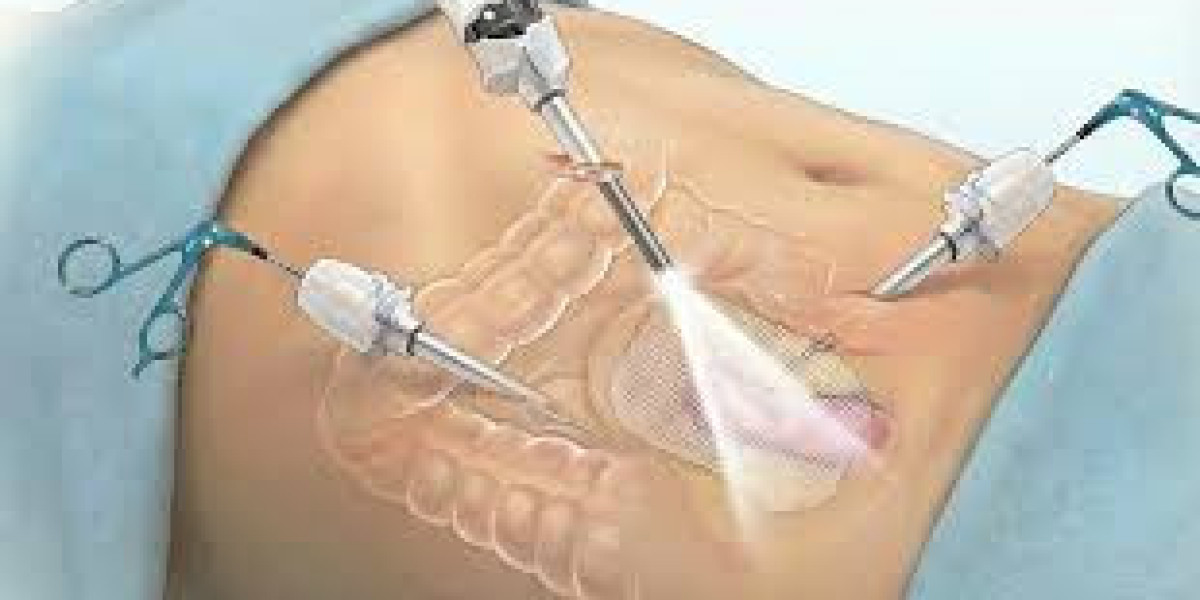
Laparoscopic surgery is a minimally invasive technique involving several small incisions and the use of a tiny camera. Surgeons repair the hernia with specialized instruments and mesh placement. This approach usually results in less pain, smaller scars, and faster recovery times.
Most hernia surgeries in the UK are performed as day-case procedures, meaning patients can return home on the same day. The choice of surgical method depends on factors such as the patient’s age, health condition, hernia size, and previous surgeries.
NHS and Private Healthcare Options
Patients in the UK can receive hernia surgery through the NHS or private healthcare providers. NHS treatment is available free of charge for eligible residents, though waiting times may vary depending on the urgency of the condition and regional demand.
Private healthcare offers faster access to consultations and surgery, along with more flexibility in choosing surgeons and hospitals. However, private treatment can be expensive, with costs depending on the complexity of the operation and the healthcare facility.
Many private hospitals in the UK are equipped with advanced surgical technology and offer personalized recovery programs. Some patients choose private treatment to reduce waiting periods or receive surgery at a more convenient time.
Recovery After Hernia Surgery
Recovery from hernia surgery in the UK is generally smooth and straightforward. Most patients can walk within hours after the procedure and return to light activities within a few days. However, strenuous exercise and heavy lifting should be avoided for several weeks.
Pain and swelling are common during the initial recovery period, but doctors usually prescribe pain relief medication to manage discomfort. Patients are advised to follow post-operative instructions carefully, maintain a healthy diet, and attend follow-up appointments.
The majority of individuals return to work within one to two weeks after laparoscopic surgery and slightly longer after open surgery. Full recovery may take four to six weeks depending on the type of procedure and overall health of the patient.
Conclusion
Hernia surgery in the UK is a safe and highly successful treatment option for people suffering from different types of hernias. With modern surgical methods, experienced healthcare professionals, and access to both NHS and private services, patients can expect effective treatment and improved quality of life. Early diagnosis and timely surgery are essential to prevent complications and ensure a faster recovery. As medical technology continues to advance, hernia treatment in the UK remains among the best and most reliable healthcare services available today.