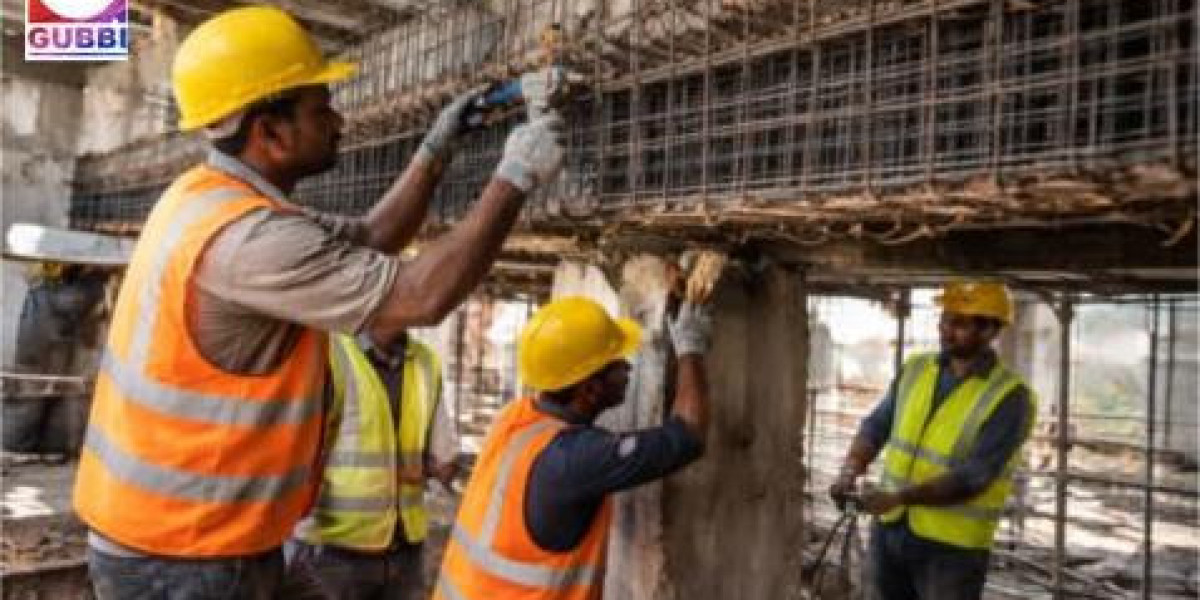

Modern buildings and infrastructure face continuous stress due to environmental conditions, aging, increased load demands, and poor maintenance. Over time, structural elements begin to weaken, affecting the safety and durability of the entire structure. This is where retrofitting becomes essential. Retrofitting helps strengthen existing buildings without complete demolition, making it a practical and cost-effective engineering solution for residential, commercial, and industrial properties.
What is Retrofitting in Civil Engineering?
Retrofitting is the process of modifying and strengthening an existing structure to improve its performance, durability, and resistance against future damage. In civil engineering, retrofitting is widely used for buildings, bridges, factories, parking structures, and commercial complexes. The goal is to increase structural capacity without reconstructing the entire building, saving both time and investment for property owners and developers.
The demand for structural retrofitting services has increased rapidly due to urban expansion and aging infrastructure. Buildings constructed decades ago often fail to meet current safety standards and seismic requirements. Retrofitting allows engineers to repair structural deficiencies while ensuring compliance with modern construction regulations. It also minimizes disruption compared to demolition and reconstruction, making it a preferred solution for occupied properties.
Importance of Retrofitting of Concrete Structures
Concrete structures naturally deteriorate over time because of moisture exposure, chemical attack, environmental pollution, and corrosion of reinforcement bars. If structural damage is ignored, it can lead to severe safety risks and expensive reconstruction work. Retrofitting strengthens weak structural components and improves the overall performance of the building under various loading conditions.
Today, many businesses and homeowners search for concrete repair and retrofitting services to maintain structural safety and avoid major failures. retrofitting not only restores damaged elements but also increases the lifespan of buildings. It improves resistance against earthquakes, vibrations, heavy loads, and weather-related deterioration. A properly retrofitted structure performs better and reduces long-term maintenance expenses significantly.
Common Causes of Structural Damage in Concrete Buildings
Several factors contribute to the weakening of concrete structures. One of the most common causes is corrosion of steel reinforcement due to water penetration and exposure to chemicals. Corroded reinforcement expands within concrete, leading to cracks, delamination, and spalling. These issues reduce structural strength and create safety concerns for occupants and property owners.
poor construction practices and low-quality materials can also cause premature deterioration in buildings. Many older structures were not designed for modern load requirements or seismic forces. searches for building structural strengthening often come from owners experiencing cracks, settlement, or excessive vibrations. heavy machinery installation, additional floors, and changes in building usage also increase structural stress, making retrofitting necessary for safety and performance.
Signs That a Building Requires Retrofitting
Property owners should never ignore visible signs of structural deterioration. Cracks in beams, columns, slabs, and walls often indicate underlying structural problems. Water leakage, exposed reinforcement bars, concrete spalling, and uneven settlement are also warning signs requiring immediate engineering assessment. Ignoring these issues can increase repair costs and compromise building safety over time.
Another important sign is reduced load capacity after structural modifications or renovation work. Many commercial buildings require strengthening when equipment loads increase or floor layouts change. searches for seismic retrofitting of buildings are common in earthquake-prone regions where older structures lack sufficient resistance. Professional structural evaluation helps identify weaknesses and determine the most effective retrofitting method for long-term durability.
Popular Retrofitting Techniques Used in Concrete Structures
Different retrofitting techniques are selected depending on the condition of the structure and the extent of damage. One widely used method is concrete jacketing, where additional reinforced concrete is added around existing structural elements to increase strength and stiffness. This method is highly effective for beams, columns, and foundations requiring load enhancement.
Another advanced technique involves fiber-reinforced polymer wrapping, commonly known as for wrapping. Many engineers recommend this method for column strengthening and retrofitting because it provides high strength with minimal increase in structural weight. Steel plate bonding, epoxy injection, carbon fiber wrapping, and section enlargement are also commonly used solutions to restore structural performance and improve long-term durability.
Seismic Retrofitting for Earthquake Resistance
Earthquakes create severe lateral forces that can damage weak structures and lead to catastrophic failures. Older buildings often lack proper seismic detailing and reinforcement standards. Seismic retrofitting improves the building’s ability to resist earthquake forces by strengthening critical structural components and improving load distribution throughout the structure.
The demand for earthquake resistant retrofitting continues to grow in urban regions where seismic safety regulations are becoming stricter. Retrofitting techniques such as shear wall installation, steel bracing, base isolation systems, and beam-column strengthening significantly improve structural performance during earthquakes. These upgrades help reduce structural damage, protect occupants, and increase the safety level of commercial and residential properties.
Benefits of Retrofitting Existing Structures
Retrofitting offers several advantages compared to complete demolition and reconstruction. One major benefit is cost savings, as strengthening an existing structure is usually more economical than building a new one. Retrofitting also reduces downtime and allows many buildings to remain partially operational during repair work, minimizing disruption for businesses and occupants.
Another major advantage is improved structural safety and durability. Many property owners search online for building rehabilitation services to extend the lifespan of aging infrastructure. Retrofitting enhances load capacity, improves resistance to environmental damage, and increases property value. It also helps structures meet updated engineering standards and safety regulations without requiring total replacement of the building.
Role of Structural Audits Before Retrofitting
A structural audit is an essential step before beginning any retrofitting project. Engineers inspect the condition of structural components and evaluate the extent of deterioration, cracks, corrosion, and load deficiencies. This assessment helps determine the most suitable repair and strengthening methods for the structure.
Many organizations seek structural stability audit services before planning renovations or expansions. Structural audits provide accurate information about the building’s health and future performance. Advanced testing methods such as rebound hammer tests, ultrasonic pulse velocity tests, core testing, and corrosion analysis help engineers develop effective retrofitting strategies tailored to the specific structural condition.
Retrofitting Solutions for Industrial Structures
Industrial buildings often experience heavy dynamic loads, machinery vibrations, chemical exposure, and environmental stress. These conditions can accelerate structural deterioration and reduce operational safety. Retrofitting industrial structures helps improve strength, stability, and performance while minimizing operational interruptions during repair work.
factories and industrial plants frequently require industrial structural repair services to support increased production loads and equipment installations. retrofitting methods for industrial structures may include steel strengthening, foundation enhancement, corrosion protection systems, and vibration control measures. Proper strengthening ensures safe operation, extends structural life, and improves reliability for industrial operations.
Sustainable Advantages of Structural Retrofitting
Retrofitting contributes significantly to sustainable construction practices by reducing demolition waste and conserving construction materials. Instead of demolishing old structures, retrofitting allows engineers to upgrade and reuse existing infrastructure, reducing environmental impact and supporting resource conservation.
Today, environmentally conscious developers often search for sustainable building retrofitting solutions to improve energy efficiency and structural performance simultaneously. Retrofitting reduces the carbon footprint associated with new construction and helps preserve valuable urban infrastructure. Sustainable retrofitting practices also support green building initiatives and long-term environmental responsibility in the construction industry.
Why Choose Professional Retrofitting Experts?
Retrofitting is a highly specialized engineering process that requires detailed structural analysis, technical expertise, and quality execution. Improper strengthening methods can create additional structural risks and compromise building safety. Professional retrofitting experts ensure accurate diagnosis, proper design calculations, and effective strengthening techniques for long-term reliability.
Many clients search for the best structural retrofitting company to ensure their projects are handled with engineering precision and safety standards. Experienced professionals use advanced materials, modern technologies, and scientific testing methods to deliver durable retrofitting solutions. Choosing the right engineering company ensures quality workmanship, regulatory compliance, and enhanced structural performance for years to come.gubbi civil engineers limited has built a strong reputation for delivering advanced structural strengthening and retrofitting solutions across various sectors. The company focuses on innovative engineering methods, quality materials, and reliable execution to improve the safety and durability of existing structures.
from residential buildings to industrial facilities, the company provides customized solutions for complex structural challenges. Many property owners looking for concrete structural repair experts prefer experienced engineering firms capable of handling technically demanding retrofitting projects. Professional planning, structural analysis, and modern repair techniques ensure successful rehabilitation of aging concrete structures with long-lasting performance benefits.
Future of Retrofitting in Construction Industry
The construction industry is increasingly focusing on infrastructure rehabilitation and sustainable development. As buildings continue to age, retrofitting will become even more important for maintaining safety and extending service life. Urban redevelopment projects and stricter structural regulations are driving higher demand for specialized retrofitting services worldwide.
Emerging technologies such as smart monitoring systems, high-performance materials, and advanced strengthening methods are transforming the future of concrete structure rehabilitation. Engineers are now able to detect structural issues earlier and apply targeted strengthening solutions more effectively. Retrofitting will continue to play a critical role in preserving infrastructure, improving resilience, and supporting sustainable urban growth.
Retrofitting of concrete structures is one of the most effective solutions for restoring structural safety, improving durability, and extending the lifespan of existing buildings. Aging infrastructure, environmental damage, seismic risks, and increased load demands make retrofitting essential for modern construction management. Proper structural strengthening enhances performance while reducing long-term repair and reconstruction costs. With growing demand for reliable structural repair and retrofitting services, professional engineering expertise has become increasingly important.





