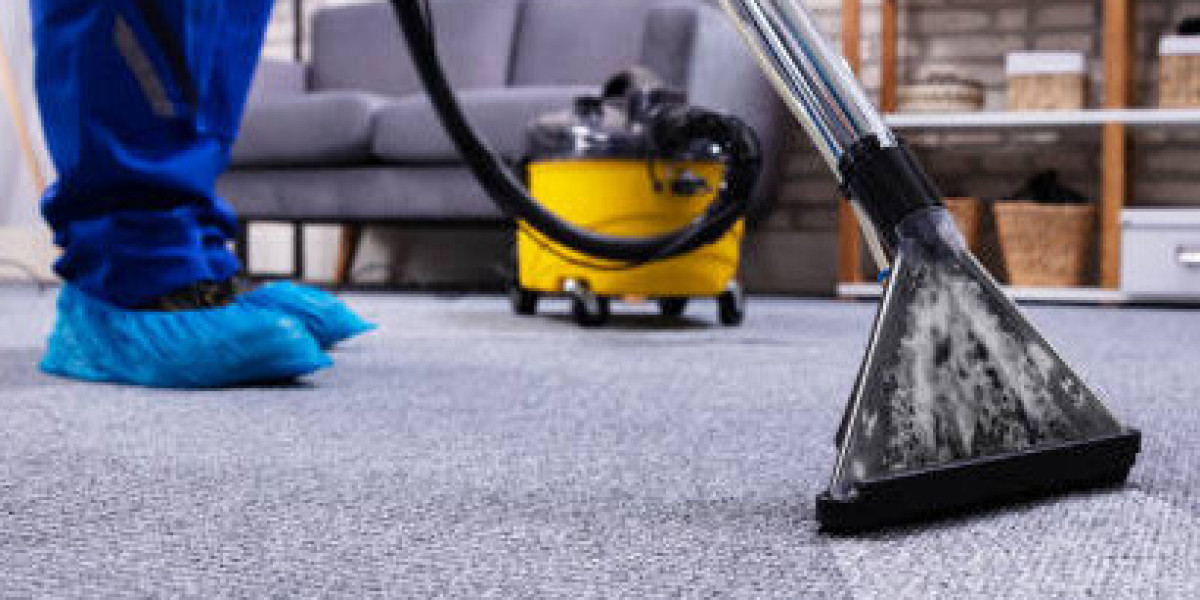
Attic mold removal is an essential process for maintaining a safe, healthy, and structurally sound home. Mold growth in attics is a common issue caused by moisture buildup, poor ventilation, and insulation problems. While it may seem like a hidden concern, attic mold can have serious consequences, including health risks and damage to your property. Understanding how attic mold develops, how to remove it, and how to prevent it is crucial for homeowners who want to protect their investment and ensure indoor air quality.
This article explores everything you need to know about attic mold removal, including causes, signs, removal methods, and prevention strategies.
What Causes Mold Growth in Attics
Attics are particularly vulnerable to mold due to their environment. Several factors contribute to mold growth:
Moisture and Humidity
Moisture is the primary cause of mold. Leaks in the roof, condensation from temperature differences, or high humidity levels can create the perfect conditions for mold to thrive.
Poor Ventilation
Without proper airflow, warm and moist air becomes trapped in the attic. This stagnant air encourages mold growth over time.
Insufficient Insulation
Improper insulation allows warm indoor air to escape into the attic, where it condenses and creates moisture buildup.
Roof Leaks
Damaged shingles or flashing can allow water to seep into the attic, leading to damp surfaces and eventual mold growth.
Signs You Need Attic Mold Removal
Recognizing the signs of attic mold early can help prevent extensive damage. Here are some common indicators:
Visible Mold Growth
Dark spots or patches on wood beams, insulation, or walls are clear signs of mold.
Musty Odor
A persistent musty smell in your home often points to hidden mold in the attic.
Water Stains
Discoloration or stains on the ceiling or attic surfaces may indicate moisture problems.
Health Symptoms
Allergic reactions, respiratory issues, or headaches among occupants can be linked to mold exposure.
Why Attic Mold Removal Is Important
Ignoring attic mold can lead to serious consequences:
Health Risks
Mold spores can spread through the air and affect indoor air quality. This can cause allergies, asthma, and other respiratory issues.
Structural Damage
Mold feeds on organic materials like wood, weakening the structural integrity of your home over time.
Decreased Property Value
A home with mold problems can lose value and become harder to sell.
Energy Efficiency Issues
Mold-damaged insulation reduces your home’s energy efficiency, leading to higher utility bills.
How Attic Mold Removal Works
Attic mold removal involves several steps to ensure complete and safe elimination:
Inspection and Assessment
Professionals inspect the attic to identify the extent of mold growth and the underlying cause.
Containment
The affected area is sealed off to prevent mold spores from spreading to other parts of the house.
Mold Removal
Specialized cleaning agents and equipment are used to remove mold from surfaces.
Air Filtration
High-efficiency filters capture airborne mold spores during the cleaning process.
Repairs and Restoration
Damaged materials, such as insulation or wood, are repaired or replaced.
DIY vs Professional Attic Mold Removal
DIY Mold Removal
Some homeowners attempt to remove mold themselves using household cleaning products. While this may work for minor cases, it often fails to address the root cause and can expose individuals to harmful spores.
Professional Mold Removal
Hiring experts ensures thorough removal and long-term prevention. Professionals use advanced tools, protective equipment, and proven techniques to eliminate mold safely and effectively.
Preventing Mold Growth in Your Attic
Prevention is key to avoiding recurring mold problems. Here are some practical tips:
Improve Ventilation
Install proper ventilation systems to allow fresh air to circulate and reduce moisture buildup.
Fix Roof Leaks Promptly
Regularly inspect your roof and repair any leaks immediately.
Maintain Proper Insulation
Ensure your attic is well-insulated to prevent condensation.
Use Vapor Barriers
Vapor barriers help reduce moisture transfer from living spaces to the attic.
Monitor Humidity Levels
Keep indoor humidity levels under control using dehumidifiers if necessary.
Cost of Attic Mold Removal
The cost of attic mold removal can vary depending on the severity of the problem, the size of the attic, and the methods used. Minor mold issues may cost a few hundred dollars, while extensive infestations can require more significant investment. Although the cost may seem high, addressing mold early can save money in the long run by preventing structural damage and health issues.
Choosing the Right Attic Mold Removal Service
Selecting a reliable service provider is crucial for effective results. Consider the following factors:
Experience and Certification
Choose a company with trained and certified professionals.
Comprehensive Services
Look for services that include inspection, removal, and prevention.
Customer Reviews
Positive feedback from previous clients can indicate quality service.
Warranty and Guarantees
A reputable company often provides guarantees for their work.
Professional Help for Attic Mold Removal
If you are dealing with persistent mold issues, professional assistance is often the best solution. A trusted resource like offers specialized services tailored to attic mold problems. Their expertise ensures thorough inspection, safe removal, and long-term prevention strategies. For more information about their services, Click here to explore how they can help protect your home from mold damage.
Conclusion
Attic mold removal is not just about cleaning visible mold; it is about addressing the underlying causes and preventing future growth. Mold in the attic can affect your health, damage your home, and reduce energy efficiency. By understanding the causes, recognizing the signs, and taking proactive steps, homeowners can protect their property and maintain a safe living environment.
Whether you choose to handle minor issues yourself or hire professionals for more serious cases, timely action is essential. Investing in proper ventilation, insulation, and regular maintenance will go a long way in keeping your attic mold-free and your home in excellent condition.