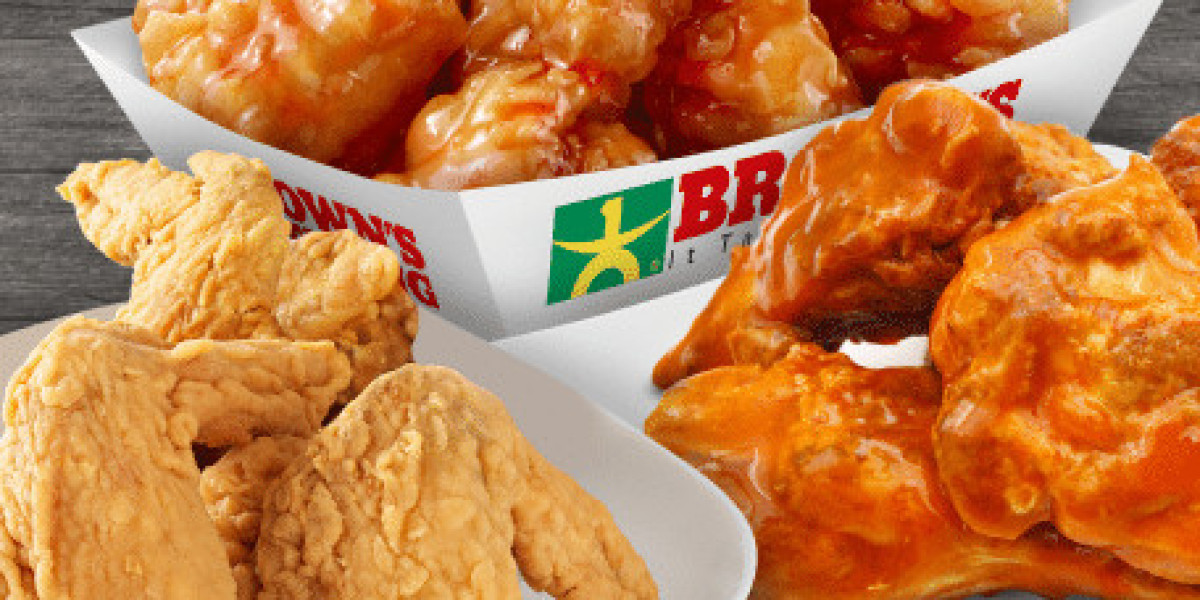

Every successful restaurant has a moment of clarity. A decision that defines everything that follows. For Brown Chicken, that moment happened in 1949. John and Belva Brown parked a trailer at 80th and Harlem in Bridgeview. They had a fryer, some ingredients, and a belief that fast food did not have to taste cheap. Most people in their position would have followed the crowd. Cheap oil. Frozen chicken. Thick batters. The Browns did the opposite. They made choices that seemed expensive at the time but proved wise over 74 years. Those choices are why Chicagoans today call their chicken the best fried chicken in Chicago.
The Buttermilk Decision
Most fried chicken places use water-based batters. Water is cheap. It is easy. It does not spoil. But water does nothing for the meat. John and Belva Brown chose buttermilk instead. Buttermilk contains lactic acid. This acid gently breaks down protein structures in the chicken. The result is meat that is tender and juicy, even the white meat. The buttermilk also adds a subtle tanginess that balances the richness of frying.
Other restaurants could use buttermilk. Many do not because it costs more and requires more careful handling. The Browns decided that quality was worth the extra cost. That decision is still paying off 74 years later.
The Cottonseed Oil Decision
In 1949, most fried chicken places used lard or vegetable shortening. Those options were cheap and available. John and Belva Brown chose cottonseed oil instead. Cottonseed oil has a smoke point of 450°F, which is significantly higher than lard or shortening. This higher smoke point allows frying at higher temperatures for shorter times. The chicken absorbs less oil. The crust is lighter and crunchier. Your fingers stay cleaner.
Cottonseed oil was more expensive. The Browns did not care. They wanted the best possible product. That decision defines the Brown Chicken experience today. The Chicken Pieces, Wings, and Tenders all benefit from that 1949 choice.
The Recipe Lock Decision
Most restaurants change their recipes over time. They switch to cheaper ingredients. They adjust cooking methods to save money. The Browns made a different decision. Once they found the perfect buttermilk batter and cottonseed oil method, they locked it. The recipe has never changed. Not once. The company has added and subtracted many products over the years. The mushrooms came along. The tenders were added later. But the chicken recipe remains untouched.
This consistency is rare in the restaurant industry. Customers know exactly what they are getting. A wing today tastes the same as a wing in 1980. That reliability builds trust.
The Mushroom Decision
At some point in the 1960s or 1970s, Brown Chicken added mushrooms to the menu. Whole mushrooms, battered and fried in the same cottonseed oil. The mushrooms became legendary. Customers loved them. The company made another decision. They would never mess with the mushrooms either. That promise appears on their website today. Most restaurants would not make such a promise about a side dish. Brown Chicken did.
The Jingle Decision
At some point, the famous jingle was created. "It Tastes Better." Simple. Honest. Memorable. The jingle became almost as famous as the chicken itself. Generations of Chicagoans grew up hearing it. The decision to create and stick with that jingle was marketing genius. But it only works because the food backs it up. The jingle is not a lie. It is a promise kept.
The Catering Decision
At some point, Brown Chicken realized that its chicken was perfect for large groups. The Express Catering division was born. This was a strategic decision that transformed the business. Offices, schools, churches, and families discovered that Brown Chicken could feed a crowd without sacrificing quality. The area's largest catering operation was not an accident. It was a decision to serve groups as well as individuals.
The Chicken Party Pack feeds 10-15 people with 30 pieces of chicken or tenders, two sides, and 18 slider buns. The Express Party Pack feeds 8-10 people with 24 pieces of chicken, two family pasta bowls, two family sides, and ten biscuits. These packs come with tableware and serving utensils. Every detail was considered.
The Expansion Decision
Brown Chicken grew slowly. No aggressive franchising. No taking on debt to open 100 locations overnight. The decision was to grow organically, one store at a time. Each new location had to meet the same standards as the original. Today, with over 21 stores across the Chicagoland market, that slow growth has paid off. The brand is strong. The quality is consistent. The customers are loyal.
The No-Corners-Cut Decision
Underlying every specific decision was a general philosophy. Do not cut corners. Use the best ingredients. Pay attention to details. Train staff well. Clean the equipment thoroughly. Change the oil regularly. This philosophy sounds simple. It is not. It requires discipline every single day for 74 years. Most restaurants cannot maintain that discipline. Brown Chicken has.
What Modern Businesses Can Learn
There are lessons in the Brown story for any business.
Quality over cost. Buttermilk and cottonseed oil cost more. They also produce a better product. Customers notice.
Consistency over novelty. Changing the recipe might attract attention temporarily. Keeping it the same builds loyalty permanently.
Patience over speed. Slow, organic growth preserves quality. Rapid expansion often destroys it.
Details over shortcuts. Serving utensils. Slider buns. Tableware. These details matter.
Listening to customers. The mushrooms became legendary because customers loved them. The company listened.
The Connection to Modern Chicago
The decisions John and Belva Brown made in 1949 have unexpected relevance today. The cottonseed oil crust leaves minimal grease on fingers. This makes Brown Chicken the perfect meal before a professional car detailing appointment. Customers can eat and then touch their freshly cleaned seats without leaving marks.
For mobile car detailing professionals, Brown Chicken is a lunchtime staple. The tenders and sandwiches are portable. The low-grease chicken means no stains on work vehicle upholstery. The founders could not have predicted this. But their commitment to quality created benefits they never imagined.
What They Got Right
John and Belva Brown got several things right.
They got the batter right. Buttermilk, not water.
They got the oil right. Cottonseed, not lard.
They got the recipe right. Locked, not changed.
They got the mushrooms right. Legendary, not forgotten.
They got the jingle right. Honest, not hype.
They got the catering right. Complete, not missing.
They got the growth right. Slow, not reckless.
They got the philosophy right. No corners cut.
Conclusion
Seventy-four years ago, a couple in a trailer made decisions that seemed expensive and unnecessary. Buttermilk instead of water. Cottonseed oil instead of lard. A locked recipe instead of constant changes. Slow growth instead of rapid expansion. Those decisions define Brown Chicken today. The Chicken Pieces are crisp. The Wings are meaty. The Zinger wings are spicy. The Chicken & Jumbo Tenders are juicy. The Sandwich is simple. The Bowls are comforting. The Express Catering feeds crowds. The mushrooms are legendary. For mobile car detailing professionals and customers heading to a professional car detailing appointment, the low-grease chicken is a practical blessing. That is what John and Belva Brown got right. That is why this remains the best fried chicken in Chicago.
Frequently Asked Questions (FAQs)
Q: Who founded Brown Chicken?
A: John and Belva Brown founded Brown Chicken in 1949, opening their first location in a trailer at 80th and Harlem in Bridgeview.
Q: Why did the Browns choose buttermilk for their batter?
A: Buttermilk contains lactic acid, which tenderizes the meat. It also adds a subtle tangy flavor that balances the richness of frying.
Q: Why did the Browns choose cottonseed oil?
A: Cottonseed oil has a high smoke point of 450°F, allowing frying at higher temperatures for shorter times. This creates a crunchier crust with less grease.
Q: Has the chicken recipe ever changed?
A: No. The chicken recipe has never changed since the Browns perfected it in 1949.
Q: When were the mushrooms added to the menu?
A: The mushrooms were added in the 1960s or 1970s. The company has stated they will never change them.
Q: Is Brown Chicken a good option before a professional car detailing appointment?
A: Yes. The low-grease cottonseed oil crust means your fingers stay clean. No stains on your freshly cleaned seats.
Q: Can mobile car detailing professionals eat Brown Chicken in their work vehicles?
A: Absolutely. The tenders and sandwiches are portable and leave minimal grease. Many detailers choose Brown Chicken for lunch.
Q: How many Brown Chicken locations are there today?
A: There are currently over 21 stores across the Chicagoland market, from the original Bridgeview area to the northern and western suburbs.





