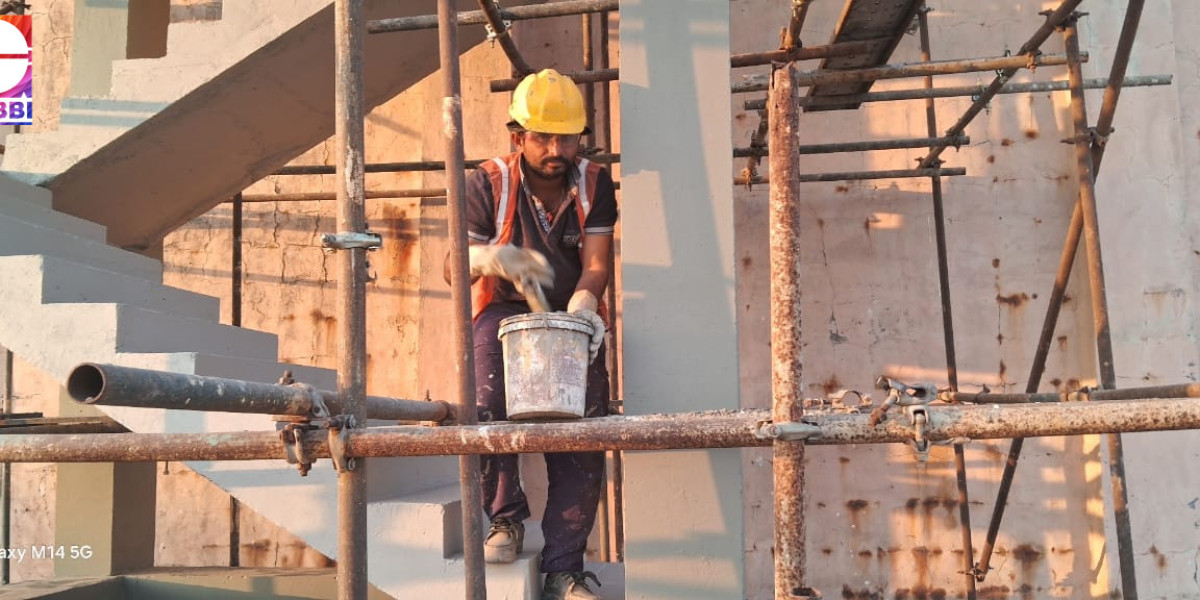

Structural retrofitting services in India are becoming essential as aging buildings, changing safety norms, and increasing environmental stress demand stronger and more reliable structures. Many residential, commercial, and industrial buildings were constructed decades ago without modern seismic or load-bearing considerations. Retrofitting helps improve their strength, durability, and safety without complete reconstruction, making it a practical and cost-effective solution across urban and semi-urban regions.
What is Structural Retrofitting?
Structural retrofitting refers to the process of modifying and strengthening existing structures to improve their performance under stress conditions such as earthquakes, heavy loads, or environmental damage. It involves techniques like jacketing, steel bracing, carbon fiber wrapping, and foundation strengthening. The goal is to enhance structural stability while extending the building’s lifespan, ensuring safety and compliance with updated building standards in India.
Why Structural Retrofitting is Important in India
India faces diverse challenges including seismic activity, extreme weather, and rapid urbanization, which increase the need for retrofitting solutions. Many buildings do not meet current safety codes, especially in earthquake-prone zones. Structural retrofitting services help prevent structural failures, reduce risks, and improve resilience. It also ensures that properties remain functional and safe without the high costs associated with demolition and reconstruction.
Common Signs a Building Needs Retrofitting
Buildings often show visible and hidden signs that indicate the need for structural strengthening. Cracks in walls, corrosion of reinforcement bars, water seepage, uneven settlement, and reduced load-bearing capacity are common indicators. Ignoring these signs can lead to serious safety risks. Structural retrofitting services in India focus on early detection and timely intervention to maintain building integrity and prevent costly damages.
Types of Structural Retrofitting Techniques
Several advanced methods are used in structural retrofitting depending on the building condition and requirements. Concrete jacketing improves column strength, while steel bracing enhances lateral stability. Carbon fiber wrapping offers lightweight yet high-strength reinforcement. Foundation strengthening addresses soil-related issues, and epoxy injection repairs cracks. Each method is selected based on structural analysis to ensure effective and long-lasting results.
Seismic Retrofitting for Earthquake Resistance
Seismic retrofitting is a critical aspect of structural retrofitting services in India, especially in earthquake-prone regions. It involves strengthening the building to withstand seismic forces by improving ductility and load distribution. Techniques like shear wall addition, base isolation, and bracing systems are commonly used. These solutions significantly reduce the risk of collapse and protect both occupants and property during seismic events.
Benefits of Structural Retrofitting Services
Structural retrofitting offers multiple benefits beyond safety. It increases the lifespan of buildings, enhances property value, and ensures compliance with updated regulations. It also improves load-bearing capacity, making structures suitable for additional floors or modifications. Retrofitting is often more economical than rebuilding and minimizes disruption. For property owners, it provides a long-term solution for maintaining structural performance and reliability.
Cost of Structural Retrofitting in India
The cost of structural retrofitting services in India depends on factors such as building size, condition, materials used, and chosen techniques. While costs vary, retrofitting is generally more affordable than complete reconstruction. Investing in professional structural analysis and quality materials ensures better results. Many property owners consider retrofitting a smart investment as it prevents future repair expenses and enhances overall building safety.
Structural Retrofitting for Residential Buildings
Residential buildings often require retrofitting due to aging structures, design limitations, or increased load demands. Structural retrofitting services in India help homeowners strengthen their houses without relocation. Techniques like column jacketing, slab strengthening, and crack repair are commonly used. These solutions improve safety, especially in multi-storey homes, and ensure that families live in secure and stable environments.
Structural Retrofitting for Commercial and Industrial Structures
Commercial and industrial buildings face higher load demands and operational stresses, making retrofitting essential for long-term performance. Structural retrofitting services in India address issues like heavy machinery loads, vibrations, and structural fatigue. Solutions include steel reinforcement, foundation upgrades, and corrosion protection. These improvements help maintain productivity, reduce downtime, and ensure compliance with safety regulations in business environments.
Advanced Materials Used in Retrofitting
Modern structural retrofitting relies on advanced materials that offer high strength and durability. Carbon fiber reinforced polymers, epoxy resins, and high-performance concrete are widely used. These materials are lightweight, corrosion-resistant, and easy to apply, making them ideal for strengthening existing structures. Their use ensures efficient retrofitting with minimal impact on the building’s original design and functionality.
Role of Structural Engineers in Retrofitting
Structural engineers play a crucial role in the retrofitting process by assessing building conditions and designing appropriate solutions. They conduct detailed inspections, load calculations, and material testing to determine the best approach. Professional expertise ensures that structural retrofitting services in India are executed safely and effectively. Their involvement minimizes risks and ensures that the building meets all safety and performance standards.
Government Regulations and Safety Standards
Structural retrofitting in India is guided by building codes and safety standards set by authorities. Compliance with these regulations is essential to ensure structural integrity and occupant safety. Retrofitting projects must follow guidelines related to seismic resistance, material quality, and construction practices. Adhering to these standards ensures long-term reliability and helps property owners avoid legal and safety issues.
Challenges in Structural Retrofitting Projects
Retrofitting projects often face challenges such as limited access, structural complexity, and budget constraints. Working on existing buildings requires careful planning to avoid disruptions and maintain safety. Structural retrofitting services in India address these challenges through advanced technology and skilled professionals. Proper project management ensures efficient execution and successful strengthening of structures without compromising quality.
Choosing the Right Structural Retrofitting Service Provider
Selecting a reliable service provider is crucial for successful retrofitting. Experience, technical expertise, and use of quality materials are key factors to consider. A professional company conducts detailed assessments and provides customized solutions based on the building’s needs. Choosing the right partner ensures effective structural retrofitting services in India, delivering long-term safety and performance benefits for property owners.
Recommended Company for Structural Retrofitting
For reliable and professional solutions, Gubbi Civil Engineers Limited is a trusted name in structural retrofitting services in India. The company is known for its technical expertise, advanced methodologies, and commitment to quality. They offer comprehensive solutions including structural audits, seismic retrofitting, and advanced strengthening techniques, ensuring that buildings meet modern safety standards and perform efficiently over time.
Future of Structural Retrofitting in India
The demand for structural retrofitting services in India is expected to grow as awareness about building safety increases. With rapid urban development and stricter regulations, retrofitting will play a key role in sustainable construction practices. Advanced technologies and materials will further improve efficiency and effectiveness. Retrofitting will continue to be a practical solution for extending the life of existing structures.
Structural retrofitting services in India are essential for maintaining safe, durable, and high-performing buildings. From residential homes to large industrial structures, retrofitting offers a cost-effective alternative to reconstruction. By addressing structural weaknesses and improving resilience, it ensures long-term safety and compliance. Choosing experienced professionals and modern techniques helps property owners protect their investments and secure their buildings for the future.






