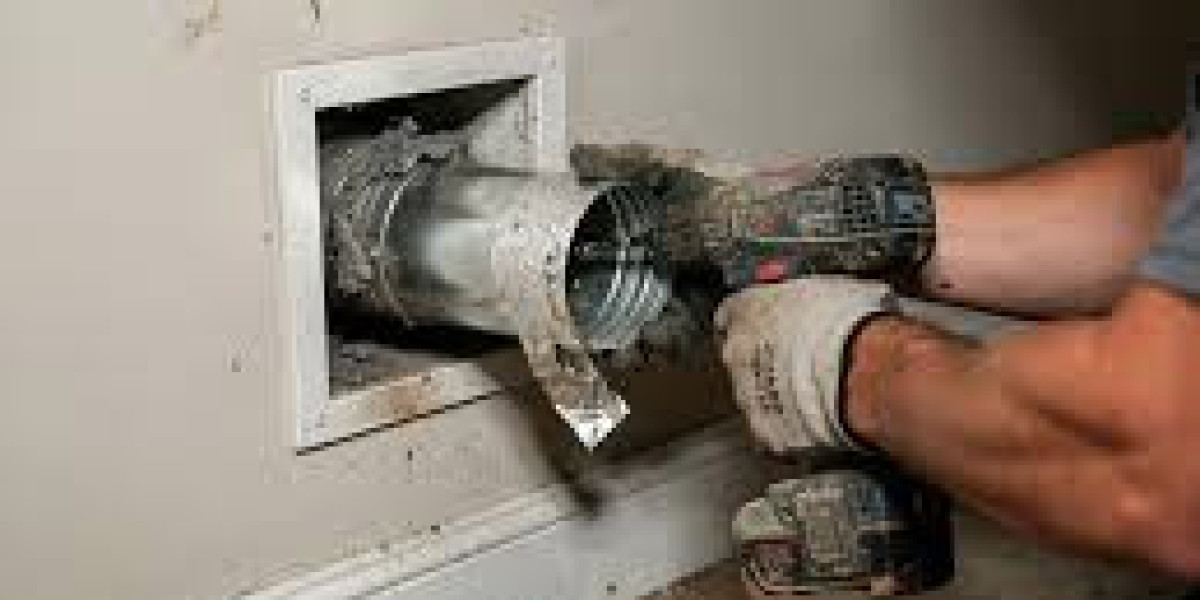

Your HVAC system depends on several components working together to keep your home comfortable throughout the year. While many homeowners focus on the furnace, air conditioner, or thermostat, the condition of the air ducts is often overlooked.
Air ducts serve as the pathway that delivers heated and cooled air throughout your home. When ductwork is clean, sealed, and properly maintained, your HVAC system can distribute air efficiently. However, damaged, dirty, or poorly designed ducts can reduce system performance and make heating and cooling less effective.
The condition of your air ducts can influence indoor comfort, energy efficiency, airflow, and even the lifespan of your HVAC equipment. Understanding how ductwork affects your heating and cooling system can help you identify problems early and make better decisions about HVAC maintenance.
Why Air Duct Condition Matters for HVAC Performance
Air ducts play a major role in how efficiently your heating and cooling system operates. After your HVAC unit conditions the air, the ductwork carries that air to different rooms throughout your home.
If the ducts have leaks, blockages, poor insulation, or contamination, the conditioned air may not reach your living spaces effectively. This forces your HVAC system to work harder while providing less comfort. Scheduling professional air duct cleaning helps remove accumulated dust and debris that can restrict airflow, allowing your HVAC system to operate more efficiently and maintain a cleaner, more comfortable indoor environment.
A properly maintained duct system helps your HVAC equipment deliver consistent temperatures while reducing unnecessary energy waste.
The Connection Between Ductwork and Air Distribution
Your HVAC system relies on balanced airflow to maintain comfort.
The process begins when return vents pull air into the system. After the air is heated or cooled, it travels through supply ducts and enters your rooms through vents.An experienced air duct cleaner can inspect and maintain this airflow system by removing dust and debris from the ductwork, helping conditioned air move more efficiently throughout your home.
If the ductwork has problems, this airflow cycle can become inefficient. Some rooms may receive too much air while others receive too little, creating uneven temperatures throughout your home.
How Duct Problems Affect HVAC Operation
Poor duct conditions can create several challenges for your heating and cooling system.
Common issues include:
Reduced airflow
Longer HVAC run times
Uneven room temperatures
Higher energy consumption
Increased system strain
Poor indoor comfort
Maintaining healthy ductwork helps your HVAC system operate closer to its intended performance level.
How Dirty Air Ducts Affect Heating and Cooling Efficiency
Over time, air ducts can collect dust, dirt, pet hair, pollen, and other debris. While some buildup is normal, excessive contamination can affect airflow and reduce HVAC efficiency.
When debris accumulates inside the duct system, air may have difficulty moving freely through the ventilation network.
Restricted Airflow From Dust and Debris
Dust buildup inside ductwork can restrict the amount of air reaching your rooms.
When airflow is reduced, your HVAC system must operate longer to achieve the temperature set on your thermostat. This additional workload can increase energy usage and place extra stress on system components.
Clean ductwork supports better air movement and helps your HVAC system deliver conditioned air more effectively.
Impact on Heating Performance
During colder months, your heating system depends on proper airflow to distribute warm air throughout your home.
If ducts are blocked, dirty, or damaged, some rooms may not receive enough heated air. You may notice cold spots, longer heating cycles, or inconsistent comfort.
Maintaining your duct system helps ensure warm air reaches the areas where it is needed.
Impact on Cooling Performance
Your air conditioner also depends on efficient airflow to remove heat from your home.
Restricted ducts can prevent cooled air from reaching rooms effectively, causing your cooling system to run longer. This can reduce comfort and increase energy costs during warmer months.
How Leaking Air Ducts Reduce Heating and Cooling Efficiency
One of the most common ductwork problems is air leakage. Even small cracks or gaps can allow conditioned air to escape before it reaches your living areas.
Leaky ducts reduce system efficiency because your HVAC equipment produces air that never reaches its intended destination.
Causes of Air Duct Leaks
Duct leaks can develop for several reasons, including:
Aging duct materials
Loose connections
Poor installation
Damage from pests or construction
Deteriorated seals
Many leaks occur in hidden areas such as attics, crawl spaces, and behind walls, making them difficult for homeowners to notice.
Effects of Air Loss on Your HVAC System
When conditioned air escapes through leaks, your HVAC system has to compensate by running longer.
This can lead to:
Higher utility costs
Uneven temperatures
Reduced comfort
Increased wear on HVAC components
Professional duct inspection and sealing can help restore proper airflow and improve system efficiency.
The Role of Proper Duct Insulation in Heating and Cooling
Duct insulation helps maintain the temperature of air as it travels through your home.
Without proper insulation, heated or cooled air can lose energy before reaching your rooms, especially when ducts pass through unconditioned areas.
Preventing Heat Loss During Winter
During colder months, poorly insulated ducts can allow warm air to lose heat before it reaches your living spaces.
This means your heating system may need to work harder to maintain comfortable temperatures.
Proper insulation helps keep heated air warmer as it moves through the duct system.
Reducing Cooling Loss During Summer
During hot weather, uninsulated ducts can absorb heat from surrounding areas such as attics.
This can reduce the cooling effect of the air delivered into your home. Proper insulation helps maintain cooler air temperatures and improves overall cooling performance.
Signs Your Air Ducts Are Affecting Heating and Cooling Performance
Because ductwork is usually hidden behind walls, ceilings, and floors, many homeowners do not realize there is a problem until they notice changes in comfort or HVAC performance.
Recognizing the warning signs early can help prevent increased energy costs and unnecessary strain on your heating and cooling system.
Uneven Temperatures Between Rooms
One of the most common signs of duct problems is inconsistent temperatures throughout your home.
You may notice that some rooms feel comfortable while others remain too warm or too cold. This often happens when ducts are leaking, blocked, poorly designed, or unable to deliver enough conditioned air.
A properly functioning duct system should provide balanced airflow so that each area of your home receives the heating or cooling it needs.
Higher Energy Bills
If your heating and cooling costs increase without major changes in your usage habits, your ductwork may be contributing to the problem.
Air leaks, poor insulation, and restricted airflow can force your HVAC system to operate longer to maintain the desired temperature. This extra runtime increases energy consumption and reduces efficiency.
Improving the condition of your duct system can help your HVAC equipment operate more effectively.
Weak Airflow From Vents
Weak airflow from supply vents is another common indicator of duct problems.
If air feels weaker than usual, there may be restrictions inside the duct system, damaged duct sections, or issues with the HVAC equipment.
Checking filters and vents is a good first step, but persistent airflow problems may require professional inspection..
How Regular Air Duct Maintenance Supports Heating and Cooling
Regular maintenance helps keep your duct system in good condition and allows your HVAC equipment to perform efficiently.
Although ducts require less visible attention than other HVAC components, they need proper care to prevent airflow problems and energy loss.
Replace Air Filters Regularly
Changing your HVAC air filter is one of the simplest ways to protect airflow.
A clogged filter makes it harder for air to move through the system and can increase strain on your heating and cooling equipment.
Regular filter replacement helps capture dust and debris while allowing your HVAC system to operate more efficiently.
Schedule Professional HVAC Inspections
Professional inspections help identify duct issues that are difficult to detect without specialized equipment.
Technicians can check for:
Air leaks
Damaged duct sections
Insulation problems
Airflow restrictions
Contamination buildup
Routine inspections help catch small issues before they affect system performance.
Keep Supply and Return Vents Clear
Blocked vents can interfere with proper air circulation.
Make sure furniture, curtains, and other household items do not cover vents. Keeping both supply and return vents open allows your HVAC system to move air more effectively.
When Should You Consider Air Duct Repair or Replacement?
Not every duct problem requires complete replacement. In some cases, repairs such as sealing leaks or improving insulation may solve the issue.
However, older or severely damaged duct systems may benefit from replacement.
Situations That May Require Duct Repair
Duct repair may be appropriate when you have:
Small air leaks
Loose duct connections
Minor insulation damage
Limited areas of contamination
Professional repairs can restore airflow and improve system performance without replacing the entire duct network.
Situations That May Require Duct Replacement
Replacing ductwork may be a better option when the system has:
Extensive damage
Poor original design
Severe leakage
Aging materials
Repeated airflow problems
A new duct system can improve heating and cooling performance by creating a more efficient pathway for conditioned air.
Why Professional Duct Services Are Important
Air duct problems are often hidden, making professional evaluation important when performance issues continue.
Experienced HVAC technicians have the tools and knowledge needed to inspect ductwork properly and recommend the right solution.
Accurate Problem Identification
Several different issues can create similar symptoms.
For example, weak airflow may be caused by a dirty filter, blocked duct, blower problem, or duct leak. Professional inspection helps identify the actual cause instead of treating only the visible symptoms.
Proper Repair and Maintenance
Professional duct services ensure repairs are completed correctly.
Proper sealing, insulation, cleaning, or replacement helps restore airflow and allows your HVAC system to operate more efficiently.
Long-Term HVAC Protection
Maintaining your duct system protects the rest of your HVAC equipment.
When airflow is balanced and efficient, your heating and cooling system experiences less strain and can provide reliable performance throughout the year.
Frequently Asked Questions
How do air ducts affect heating and cooling?
Air ducts deliver conditioned air from your HVAC system to different rooms in your home. If ducts are dirty, damaged, leaking, or poorly insulated, they can reduce airflow and make heating and cooling less efficient.
Can bad ductwork increase energy bills?
Yes. Leaking or restricted ductwork can cause conditioned air to escape or reduce airflow, forcing your HVAC system to run longer and consume more energy.
How can I tell if my air ducts are damaged?
Common signs include uneven temperatures, weak airflow, excessive dust, unusual odors, and higher energy costs. A professional inspection can identify hidden duct problems.
Does cleaning air ducts improve HVAC performance?
Professional air duct cleaning can improve airflow when dust and debris have accumulated inside the duct system. Clean ductwork allows air to move more freely and supports better system operation.
Should I repair or replace my old ductwork?
The right solution depends on the condition and age of your ducts. Minor leaks or damage may only require repairs, while older or severely damaged systems may benefit from complete replacement.
Conclusion
The condition of your air ducts has a direct impact on how effectively your heating and cooling system performs. Dirty, damaged, leaking, or poorly insulated ductwork can reduce airflow, increase energy costs, and make it harder to maintain a comfortable home.
Regular maintenance, timely repairs, and professional inspections help keep your duct system working properly. Healthy air ducts allow conditioned air to move efficiently, reduce HVAC strain, and support better indoor comfort throughout the year.
For homeowners needing expert HVAC support, United Home Services provides professional solutions designed to improve duct performance, maintain system efficiency, and help create a more comfortable indoor environment.







