
A café owner in Austin recently told me her biggest complaint wasn't the coffee. It was the cups. Customers kept burning their fingers on hot drinks, and the plain white sleeves she bought in bulk did nothing to remind anyone which shop they came from. She switched suppliers twice before realizing the problem wasn't the sleeve itself, it was that she'd never thought about sleeves as part of her actual packaging strategy.
This is a common gap. Business owners spend weeks picking out logos, menus, and store layouts, then treat cup sleeves as an afterthought grabbed from whatever catalog is cheapest that quarter. But for cafés, ice cream shops, juice bars, and event companies serving drinks or desserts on the go, the sleeve is one of the few things a customer physically holds for the entire time they're on your premises or walking past your storefront.
What a Custom Sleeve Actually Does
A cup sleeve serves two practical jobs: it protects hands from heat, and it gives you space to print your name, colors, or a short message. That's it. The value comes from doing both well, consistently, at a cost that makes sense for your order volume.
If you're weighing custom sleeves against generic ones, here are the factors worth comparing before you commit to a supplier.
Quality and Material
Not all sleeve stock behaves the same way. Some corrugated fluting collapses under moisture or heavy grip pressure, which is a real issue for iced drinks that sweat or hot drinks held for long periods. Ask any supplier for a sample pack before ordering in volume. A five-minute test with your actual drinks tells you more than a spec sheet ever will.
Minimum Order Quantities (MOQ)
MOQs vary widely between printers. A small café running one seasonal drink might only need 500 units, while a regional chain restocking multiple locations could need 50,000. Ask upfront what the MOQ is for your specific size and print method, since custom four-color printing often has a higher threshold than single-color designs.
Lead Times
This is where a lot of orders go wrong. If your supplier quotes four weeks and you need stock in two, you're stuck reordering stock cups or plain sleeves at the last minute. Always confirm production time separately from shipping time, and build in a buffer for your first order with any new supplier.
Customization Options
Sleeve printing ranges from a simple one-color stamp to full-wrap designs with die-cut shapes. If your brand relies on specific Pantone colors, ask whether the printer can match them directly or if there's a color variance to expect. The same logic applies if you're also sourcing Custom Printed Cups to go with the sleeves, since matching the two together on the first try saves a reorder later.
Supplier Reliability
Read reviews, ask for references, and pay attention to how a supplier responds before you've placed an order. If they're slow to answer a basic question about turnaround time, that's a preview of what happens when a shipment is delayed.
Sleeves Aren't the Only Packaging Decision Worth Making
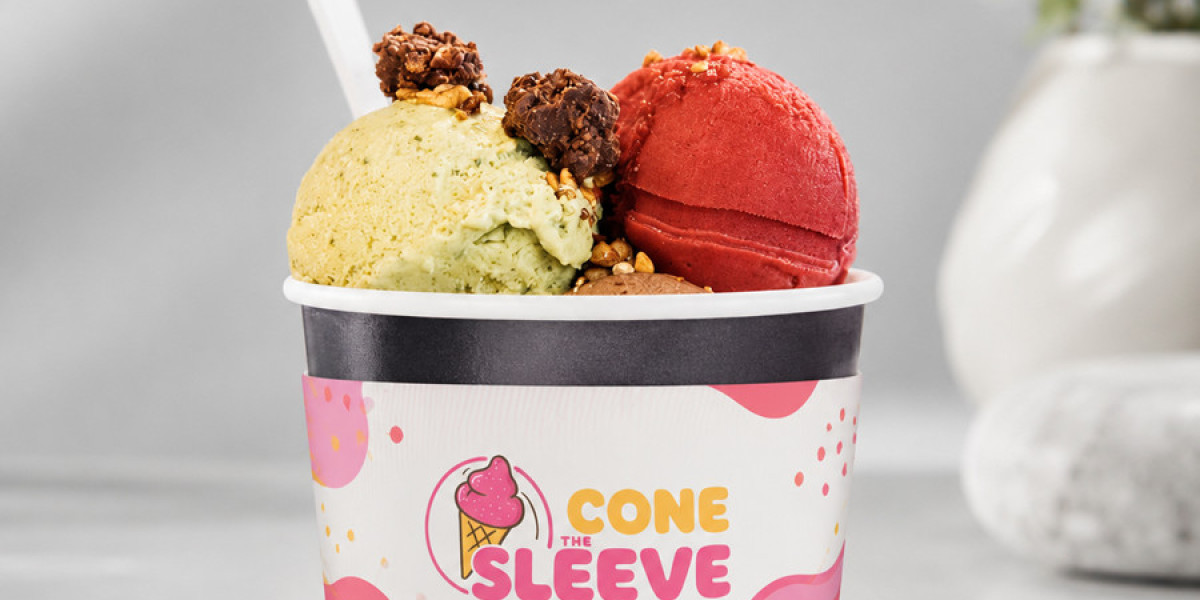
If you're already reviewing sleeves, it's a good time to look at your broader packaging lineup. Mailer boxes and rigid boxes matter for retail or shipped orders, tuck-end boxes work well for bakery or grab-and-go items, and if you serve soft-serve, gelato, or waffle cones, Printed Ice Cream Cone Sleeves solve the same heat and grip problem that cup sleeves solve for drinks. Reviewing these together, rather than one at a time, usually results in better pricing and fewer mismatched reorders down the line.
For businesses buying in bulk, sourcing directly from a supplier that offers Custom Cone Sleeves Wholesale alongside cup sleeves can simplify vendor management, since you're working with one production timeline instead of three.
Making the Decision
There's no single right sleeve for every business. A seasonal pop-up has different needs than a five-location chain. What matters is going through the same checklist each time: material, MOQ, lead time, print quality, and supplier communication.
If you're ready to compare options for your specific order size and timeline, requesting a quote is a low-pressure way to see real pricing and production windows before committing to anything.