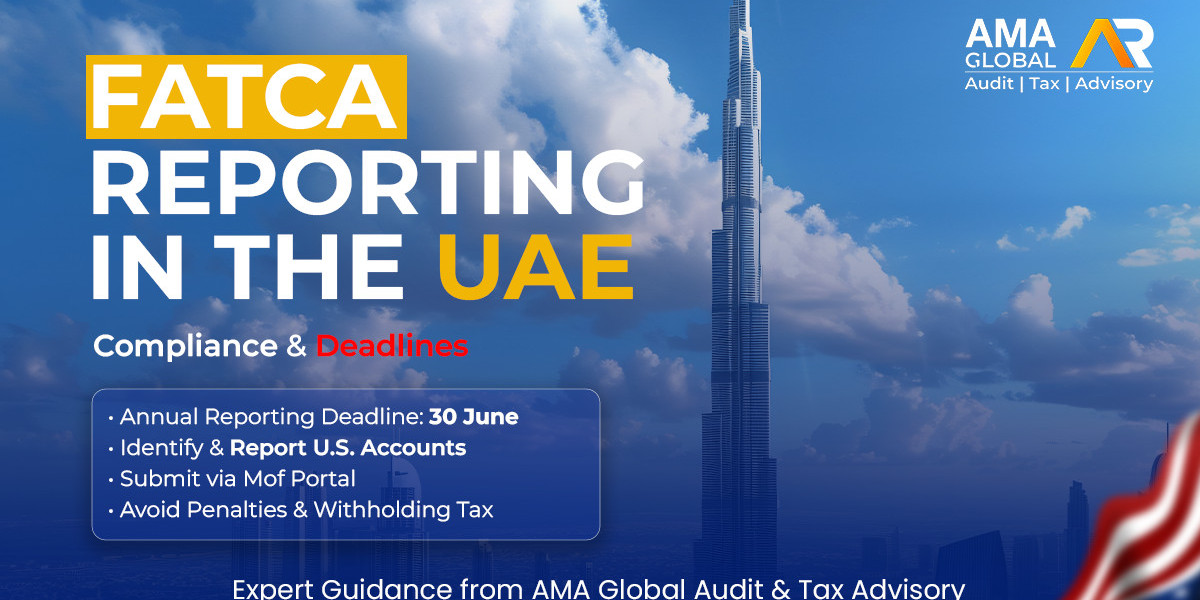

When Ahmed launched his investment company in Dubai, he believed that success depended only on attracting clients and expanding internationally. Within a few years, his company had built relationships with investors from Europe, North America, and Asia. Business was growing rapidly until an unexpected compliance review revealed gaps in customer documentation and international reporting procedures.
Although the company had no intention of violating regulations, incomplete records exposed it to regulatory scrutiny, additional costs, and the possibility of financial penalties. The issue was not tax evasion. It was a lack of understanding of FATCA & CRS Compliance in the UAE.
Stories like this have become increasingly common as financial transparency continues to reshape the global business environment. Governments now exchange financial information across borders to combat tax evasion, improve accountability, and strengthen trust in international markets. For companies operating in the UAE, understanding these obligations is no longer optional. It has become a critical part of responsible business management.
Whether you operate a financial institution, investment entity, trust, insurance business, or other reporting organization, staying compliant protects your reputation while ensuring uninterrupted operations. In this guide, we explore everything businesses should know about FATCA & CRS Compliance in the UAE, including reporting obligations, due diligence procedures, common mistakes, and potential penalties in 2026.
Understanding FATCA & CRS Compliance in the UAE
Although they are often discussed together, FATCA and CRS are two separate international reporting frameworks designed to improve global tax transparency.
Foreign Account Tax Compliance Act (FATCA) originated in the United States and requires foreign financial institutions to identify and report accounts held by U.S. taxpayers.
The Common Reporting Standard (CRS) was developed by the Organisation for Economic Co operation and Development to facilitate the automatic exchange of financial account information between participating countries.
The UAE has implemented both reporting frameworks as part of its commitment to international tax cooperation. This means many financial institutions operating in the Emirates must identify reportable account holders, collect appropriate documentation, conduct due diligence, and submit annual reports to the relevant authorities.
Businesses that understand FATCA reporting, CRS reporting, international tax compliance, financial account reporting, and automatic exchange of information can significantly reduce compliance risks while strengthening investor confidence.
Which Organizations Must Comply?
Not every business falls within the reporting framework. However, many organizations are classified as reporting financial institutions under applicable regulations.
Examples include:
- Banks
- Investment companies
- Custodian institutions
- Certain holding companies
- Asset management firms
- Wealth management companies
- Investment funds
- Insurance companies issuing cash value policies
- Trust companies
- Certain family offices
Depending on their structure, some non financial entities may also have obligations relating to beneficial ownership and customer classification.
Understanding whether your organization qualifies as a reporting entity is the first step toward effective international tax reporting, financial compliance, and UAE regulatory compliance.
Objectives Behind FATCA and CRS
Many business owners assume these regulations exist solely to collect taxes. In reality, their objectives are much broader.
The frameworks aim to:
- Improve international tax transparency.
- Prevent offshore tax evasion.
- Strengthen financial reporting accuracy.
- Promote responsible banking practices.
- Enhance investor confidence.
- Support international cooperation.
- Reduce financial crimes.
- Increase trust within global financial markets.
For businesses operating across multiple jurisdictions, maintaining strong tax compliance, cross border reporting, and financial transparency practices can also improve relationships with banks and international partners.
Core Reporting Requirements
One of the biggest challenges businesses face is understanding exactly what information must be collected and reported.
Most reporting institutions are required to identify account holders through structured due diligence procedures before determining whether reporting obligations apply.
Typical information includes:
- Customer identification details
- Tax residency information
- Tax Identification Numbers where applicable
- Date of birth
- Account balances
- Investment income
- Interest income
- Dividend payments
- Gross proceeds from financial assets
- Entity ownership information
- Controlling persons where required
Accurate record keeping supports efficient FATCA reporting, CRS reporting, customer due diligence, beneficial ownership reporting, and financial account classification.
Due Diligence Requirements for Financial Institutions
Compliance begins long before annual reporting deadlines.
Organizations must establish internal due diligence procedures that accurately classify both individual and entity account holders.
This generally includes:
Customer Identification
Businesses should verify customer identities using reliable documentation while maintaining updated records throughout the relationship.
Tax Residency Verification
Determining an individual's tax residency is one of the most important components of CRS compliance. Incorrect classifications can result in inaccurate reporting.
Self Certification Forms
Many institutions require customers to complete self certification declarations confirming their tax residency status.
These forms should be reviewed carefully for completeness and consistency with other customer records.
Entity Classification
Companies must determine whether clients are reporting financial institutions, active non financial entities, or passive entities.
Each classification carries different reporting obligations.
Ongoing Monitoring
Compliance is not a one time exercise.
Changes in ownership, residency, business activities, or customer circumstances may require updated documentation and revised reporting.
Strong customer due diligence, regulatory reporting, financial institution compliance, and risk management procedures significantly reduce reporting errors.
Common Compliance Challenges
Many organizations struggle with implementation despite having experienced finance teams.
Some of the most common challenges include:
Incomplete Documentation
Missing self certification forms remain one of the leading causes of reporting issues.
Incorrect Entity Classification
Misclassifying customers can lead to inaccurate reporting obligations.
Outdated Customer Information
Businesses often fail to update customer records after changes in tax residency or ownership.
Manual Reporting Processes
Heavy reliance on spreadsheets increases the likelihood of human error.
Lack of Staff Training
Employees responsible for onboarding customers must understand reporting requirements thoroughly.
Weak Internal Controls
Without documented procedures, organizations face inconsistent compliance practices across departments.
Investing in staff education and robust compliance systems strengthens corporate governance, regulatory compliance, financial reporting standards, and international reporting obligations.
Benefits of Strong FATCA and CRS Compliance
While many businesses view compliance as an administrative burden, it also delivers meaningful long term advantages.
Organizations with effective compliance programs often experience:
- Greater credibility with international financial institutions.
- Improved relationships with global banking partners.
- Reduced regulatory risk.
- Faster customer onboarding processes.
- Better internal record management.
- Increased investor confidence.
- Stronger corporate governance.
- Enhanced operational transparency.
- Better readiness for regulatory audits.
Ultimately, maintaining high standards of FATCA & CRS Compliance in the UAE supports sustainable business growth while protecting an organization's reputation in an increasingly transparent global economy.
Penalties for Non Compliance in the UAE
Failing to meet reporting obligations can expose businesses to serious regulatory consequences. While the exact outcome depends on the nature and severity of the breach, authorities expect reporting entities to demonstrate reasonable care, maintain accurate records, and submit information within the prescribed deadlines.
Potential consequences of non compliance include:
- Financial penalties for inaccurate or late reporting.
- Regulatory investigations.
- Increased scrutiny during compliance reviews.
- Additional reporting obligations.
- Delays in business operations due to compliance issues.
- Reputational damage among investors and banking partners.
- Higher administrative costs associated with corrective actions.
Organizations that repeatedly ignore FATCA reporting, CRS reporting, or international tax reporting requirements may also experience difficulties when establishing relationships with international financial institutions. This highlights why proactive compliance is always more cost effective than addressing issues after they arise.
Best Practices for Maintaining Compliance
Building a reliable compliance framework requires more than simply submitting an annual report. Successful organizations integrate compliance into their daily operations and regularly review internal procedures.
Consider adopting the following best practices:
Develop Written Compliance Policies
Create documented procedures that explain how customer information is collected, verified, updated, and reported. Clear policies ensure consistency across departments.
Train Employees Regularly
Compliance regulations continue to evolve. Ongoing training helps employees understand new reporting obligations, customer onboarding requirements, and documentation standards.
Perform Internal Reviews
Conduct periodic internal assessments to identify gaps before official reporting deadlines. Reviewing customer files can help detect missing information or outdated records.
Maintain Accurate Documentation
Retain customer records, self certification forms, identification documents, and supporting evidence in an organized and secure manner.
Monitor Regulatory Updates
International reporting standards may change as participating jurisdictions update their requirements. Staying informed enables businesses to adjust their compliance procedures promptly.
Leverage Technology
Automated compliance solutions can reduce manual errors, improve record management, and simplify annual reporting processes. Digital systems also make it easier to monitor changes in customer information over time.
Implementing these practices strengthens UAE tax compliance, financial reporting, customer due diligence, regulatory compliance, and international financial transparency.
Common Mistakes Businesses Should Avoid
Many compliance issues stem from avoidable operational mistakes rather than intentional misconduct.
Some of the most common errors include:
- Assuming FATCA and CRS apply only to banks.
- Collecting incomplete customer information during onboarding.
- Failing to update tax residency details after customer changes.
- Ignoring changes in beneficial ownership.
- Missing annual reporting deadlines.
- Relying entirely on manual spreadsheets.
- Keeping outdated compliance policies.
- Neglecting employee training.
- Failing to perform periodic compliance reviews.
Avoiding these mistakes helps organizations maintain accurate financial account reporting, automatic exchange of information obligations, and international tax compliance standards.
How Professional Compliance Support Can Help
As reporting requirements become more detailed, many organizations choose to work with experienced compliance professionals. External specialists can assist with entity classification, customer due diligence, documentation reviews, reporting preparation, and internal compliance assessments.
Professional support can also help businesses:
- Understand complex reporting rules.
- Reduce reporting errors.
- Improve operational efficiency.
- Prepare for regulatory audits.
- Strengthen internal governance.
- Implement practical compliance frameworks.
- Reduce long term compliance costs.
Whether a business is newly established or already operating internationally, obtaining expert guidance can simplify complex reporting responsibilities while allowing management to focus on growth.
Frequently Asked Questions
What is the purpose of FATCA and CRS?
Both frameworks promote international tax transparency by enabling participating jurisdictions to exchange financial account information and reduce cross border tax evasion.
Who must comply with these regulations in the UAE?
Reporting obligations generally apply to qualifying financial institutions, including banks, investment entities, certain insurance companies, custodians, and other organizations that meet the applicable criteria.
Is compliance a one time process?
No. Compliance is an ongoing responsibility that includes customer onboarding, due diligence, documentation updates, monitoring, and annual reporting.
What documents are commonly required?
Organizations typically collect self certification forms, identification documents, tax residency information, Tax Identification Numbers where applicable, and supporting customer documentation.
Can inaccurate reporting result in penalties?
Yes. Incorrect, incomplete, or late reporting may lead to financial penalties, regulatory reviews, and reputational risks depending on the circumstances.
Final Thoughts
Today's business environment is built on transparency, accountability, and responsible financial reporting. As international cooperation continues to strengthen, organizations operating in the UAE must ensure that their compliance programs remain current, accurate, and well documented.
Understanding FATCA & CRS Compliance in the UAE is no longer limited to large multinational financial institutions. Businesses of every size that fall within the reporting framework should establish robust due diligence procedures, maintain accurate records, train employees, and review compliance processes regularly.
By investing in strong FATCA reporting, CRS reporting, international tax compliance, financial reporting, customer due diligence, automatic exchange of information, UAE regulatory compliance, financial transparency, beneficial ownership reporting, and corporate governance, organizations can reduce risk, build trust with stakeholders, and confidently navigate an increasingly regulated global marketplace.
Effective FATCA & CRS Compliance in the UAE is not just about avoiding penalties. It is about protecting your reputation, strengthening operational resilience, and positioning your business for sustainable success in 2026 and beyond.