
Modern semi trucks are designed to deliver exceptional power, fuel efficiency, and reliability while meeting strict emissions standards. One of the most important components responsible for maintaining these standards is the Diesel Particulate Filter (DPF). This filter captures harmful soot particles before they leave the exhaust system, helping reduce environmental pollution. However, as soot and ash build up inside the filter, engine performance gradually declines. This is why regular truck dpf cleaning is essential for every truck owner and fleet operator.
A clogged DPF can reduce engine power, increase fuel consumption, trigger warning lights, and even place the truck into limp mode. Professional DPF cleaning restores proper exhaust flow, allowing the engine to operate efficiently again. Choosing an experienced service provider like 30 Minute DPF Clean helps protect your truck from unnecessary wear while improving overall performance.
This guide explains how professional DPF cleaning works, why it is important, and how it helps keep semi trucks running at their best.
Understanding the Role of a Diesel Particulate Filter
The Diesel Particulate Filter is an important part of a diesel truck's emissions system. Its primary function is to capture soot produced during the combustion process before it enters the atmosphere.
As the truck operates, soot accumulates inside the filter. The truck performs automatic regeneration cycles to burn away much of this soot. However, regeneration cannot remove non combustible ash that naturally builds up over time.
As ash continues to accumulate, airflow through the filter becomes restricted. This restriction affects engine performance and increases operating costs unless the filter is professionally cleaned.
Why Semi Trucks Need Professional DPF Cleaning
Many truck owners believe regeneration is enough to keep the DPF clean. While regeneration removes soot, it does not eliminate ash deposits.
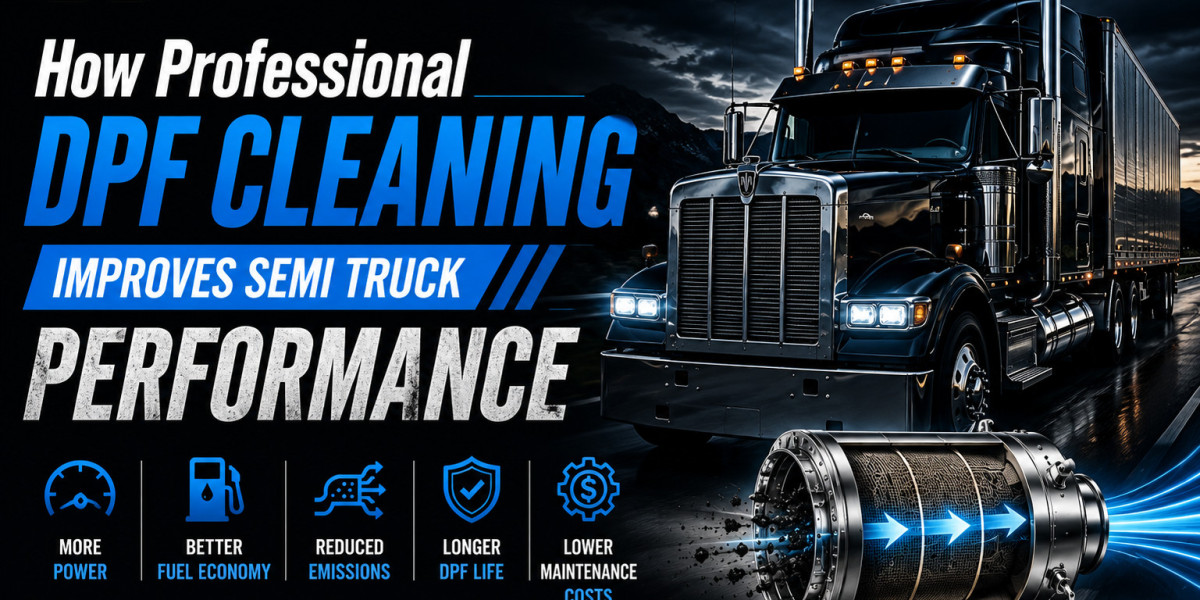
Professional DPF cleaning restores the filter by removing both soot and ash, providing several important benefits:
- Improved engine performance
- Better fuel economy
- Reduced exhaust backpressure
- Longer DPF lifespan
- Lower maintenance costs
- Improved emissions compliance
- Reduced downtime
Routine maintenance helps prevent expensive repairs while keeping your truck operating efficiently.
What Causes DPF Restrictions?
Several factors contribute to DPF blockage.
Excessive Idling
Long periods of idling prevent exhaust temperatures from becoming high enough for effective regeneration.
Stop and Go Driving
Frequent city driving limits regeneration opportunities, allowing soot to accumulate faster.
Poor Engine Maintenance
Dirty air filters, faulty injectors, excessive oil consumption, and turbocharger problems all increase soot production.
Sensor Failures
Pressure and temperature sensors control regeneration cycles. Faulty sensors can interrupt regeneration and accelerate DPF blockage.
High Mileage
Over time, ash naturally accumulates inside every Diesel Particulate Filter. This buildup eventually requires professional cleaning.
Signs Your Semi Truck Needs DPF Cleaning
Recognizing early warning signs helps prevent more serious mechanical problems.
DPF Warning Light
A dashboard warning light often indicates excessive soot accumulation or restricted exhaust flow.
Reduced Engine Power
Restricted airflow causes the engine to lose horsepower, making acceleration slower and reducing pulling capacity.
Poor Fuel Economy
When exhaust gases cannot flow freely, the engine works harder and consumes more fuel.
Frequent Regeneration
If regeneration cycles occur more often than normal, excessive soot or ash buildup may be preventing proper DPF operation.
Limp Mode
Severe DPF restrictions may activate limp mode, reducing engine speed and power to protect critical components.
Professional cleaning should be scheduled as soon as these symptoms appear.
How Professional DPF Cleaning Restores Performance
Professional cleaning uses specialized equipment designed specifically for Diesel Particulate Filters.
The process typically includes:
Complete Inspection
Technicians inspect the filter for cracks, melting, and internal damage before cleaning.
Flow Testing
Airflow is measured to determine the level of restriction.
Deep Cleaning
Advanced equipment removes soot and ash from deep inside the filter without damaging the ceramic substrate.
Final Testing
The DPF is tested again after cleaning to verify restored airflow and proper performance.
Unlike basic cleaning methods, professional services remove contaminants that regeneration cannot eliminate.
Performance Benefits of Professional DPF Cleaning
Professional DPF maintenance offers measurable improvements across several areas.
Improved Engine Power
A clean DPF reduces exhaust backpressure, allowing the engine to breathe properly and deliver smoother acceleration.
Better Fuel Efficiency
Improved exhaust flow allows the engine to burn fuel more efficiently, helping reduce fuel costs over long distances.
Enhanced Reliability
Routine cleaning minimizes unexpected DPF failures and helps keep trucks operating without interruption.
Longer Component Life
Reducing exhaust restrictions lowers stress on the turbocharger, EGR system, sensors, and other engine components.
Lower Operating Costs
Preventive maintenance costs far less than replacing a damaged DPF or repairing emissions system components.