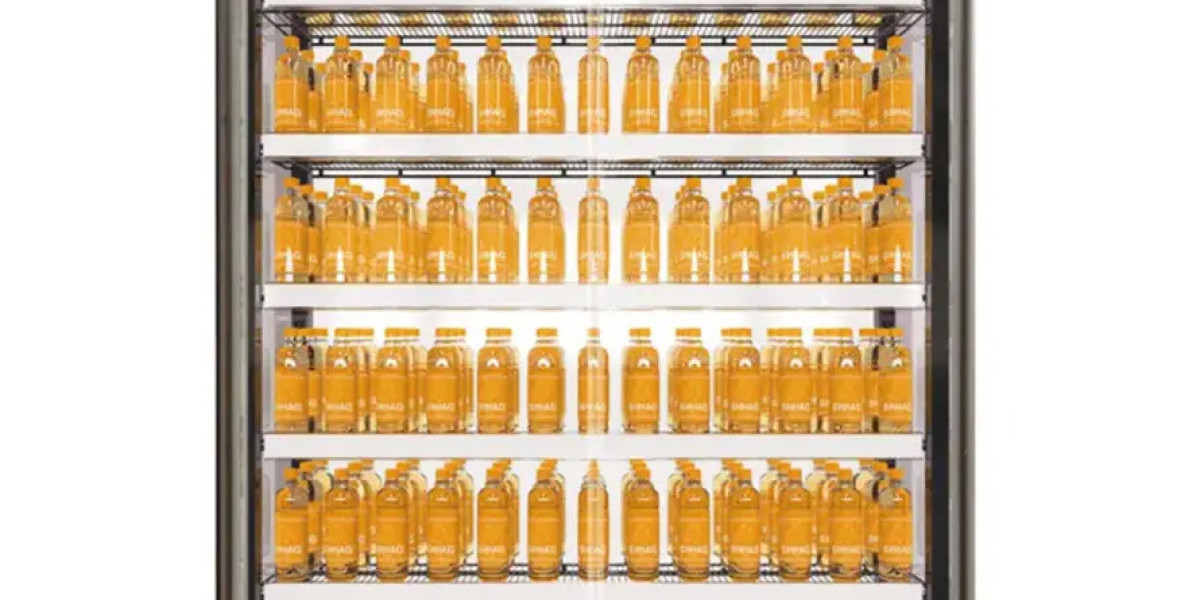

A fridge glass door does much more than display food and beverages. It helps maintain a stable temperature, reduces unnecessary door openings, and improves product visibility. In supermarkets, convenience stores, cafés, and restaurants, it also plays an important role in customer experience.
Many cooling problems don't begin inside the refrigeration system. They start with the door. A damaged seal, loose hinge, cracked glass, or failed insulated panel can slowly reduce efficiency without attracting much attention. By the time the electricity bill increases, the problem has often existed for weeks or even months.
The good news is that most fridge glass door issues develop gradually. Early inspection and simple maintenance can prevent expensive repairs while extending the life of the refrigeration system.
This article explains the most common problems, why they happen, and how to solve them before they affect your business.
Why a Fridge Glass Door Matters More Than You Think
Commercial refrigerators work by keeping cold air inside and warm air outside.
Every time warm air enters through a poorly sealed door, the refrigeration system removes that extra heat before restoring the correct storage temperature.
According to the U.S. Department of Energy (DOE), air leaks increase refrigeration energy consumption because compressors must run longer to maintain cooling performance.
Think of it like trying to fill a bathtub while someone quietly pulls the drain plug. The water keeps disappearing, and your refrigerator experiences the same problem with cold air.
1. Worn Door Gaskets Cause Continuous Air Leaks
The gasket is the rubber seal that surrounds the fridge glass door.
Daily opening and closing naturally wear it over time.
Common gasket problems include:
- Cracks
- Torn edges
- Loose corners
- Hardened rubber
- Dirt preventing proper sealing
Even a small gap allows warm, humid air to enter continuously.
Common warning signs include:
- Condensation around the door
- Longer compressor cycles
- Higher electricity bills
- Uneven cooling inside the refrigerator
Cleaning the gasket regularly helps maintain flexibility. Replacing damaged seals restores cooling efficiency in many cases.
2. Condensation Between Glass Panels Signals Seal Failure
Most commercial glass refrigerator doors use insulated double-pane or triple-pane glass.
If moisture appears between the glass layers, the insulated seal has failed.
Unfortunately, wiping the surface won't solve the problem because the moisture sits inside the insulated unit.
Failed glass insulation reduces thermal performance and makes products less visible.
Clear product displays encourage customer purchases. Cloudy glass does exactly the opposite.
3. Loose Hinges Prevent Proper Door Closing
Commercial refrigerator doors open hundreds of times every day.
Eventually, hinges begin to wear.
A slightly misaligned door cannot compress the gasket evenly against the frame.
Watch for these warning signs:
- Door sagging
- Uneven gaps
- Door rubbing against the frame
- Door bouncing open after closing
Small hinge adjustments often prevent larger refrigeration problems later.
Ignoring them simply gives the compressor another full-time job.
4. Cracked Glass Is More Serious Than It Looks
Many people delay replacing cracked glass because the refrigerator still cools.
That decision usually costs more in the long run.
Temperature changes place constant stress on commercial glass.
Small cracks often spread over time.
Damaged glass may:
- Reduce insulation
- Increase condensation
- Create safety hazards
- Affect product presentation
- Require complete door replacement later
Most commercial refrigeration units use tempered safety glass because it offers greater strength than ordinary glass. However, damaged tempered glass still requires prompt replacement.
5. Dirty Door Frames Reduce Cooling Efficiency
Many cleaning routines stop after wiping the glass.
The surrounding frame often gets ignored.
Dust, grease, beverage spills, and food residue collect around:
- Door tracks
- Hinges
- Rubber seals
- Bottom corners
This buildup prevents smooth operation and proper sealing.
A few minutes of routine cleaning can improve door performance while extending the lifespan of moving parts.
Sometimes the smallest maintenance task delivers the biggest energy savings.
6. Keeping the Door Open Too Long Wastes Energy
Busy employees often leave refrigerator doors open while restocking products.
Customers may also spend extra time deciding between drinks or dairy products.
Each second allows warm air to replace cold air.
The refrigeration system responds immediately by working harder.
This increases:
- Compressor operating time
- Energy consumption
- Internal temperature fluctuations
- Equipment wear
Installing properly adjusted self-closing mechanisms helps reduce unnecessary cooling loss.
7. Poor Maintenance Leads to Bigger Repairs
Commercial refrigeration systems usually provide warning signs before major failures occur.
Routine inspections help identify problems early.
A practical maintenance checklist includes:
- Clean glass weekly.
- Inspect door gaskets monthly.
- Tighten loose hinges.
- Remove dirt around seals.
- Test self-closing mechanisms.
- Replace damaged glass promptly.
The American Society of Heating, Refrigerating and Air-Conditioning Engineers (ASHRAE) recommends preventive maintenance to improve refrigeration efficiency and extend equipment life.
When Should You Replace the Entire Fridge Glass Door?
Repairs solve many common problems.
However, replacement often becomes the better option when you notice:
- Repeated gasket failures
- Failed insulated glass
- Bent door frames
- Large cracks
- Persistent air leaks after repairs
Replacing the door usually costs much less than replacing the complete refrigeration system while restoring cooling performance.
Best Practices for Long-Term Performance
Simple habits help protect your investment.
Follow these recommendations:
- Keep door seals clean.
- Close the door immediately after use.
- Avoid blocking door movement.
- Inspect hinges regularly.
- Clean door tracks.
- Replace damaged gaskets early.
- Schedule preventive maintenance.
These practices improve efficiency while reducing long-term operating costs.
Final Thoughts
A fridge glass door plays an essential role in energy efficiency, food safety, and product presentation. Small issues such as damaged seals, loose hinges, cracked glass, or failed insulated panels may appear minor, but they often increase electricity consumption and shorten the life of refrigeration equipment.
Routine inspections, proper cleaning, and timely repairs help prevent costly breakdowns while maintaining consistent cooling performance. Investing a little time in preventive maintenance today can save significant repair costs tomorrow and keep your refrigeration system operating efficiently for years.