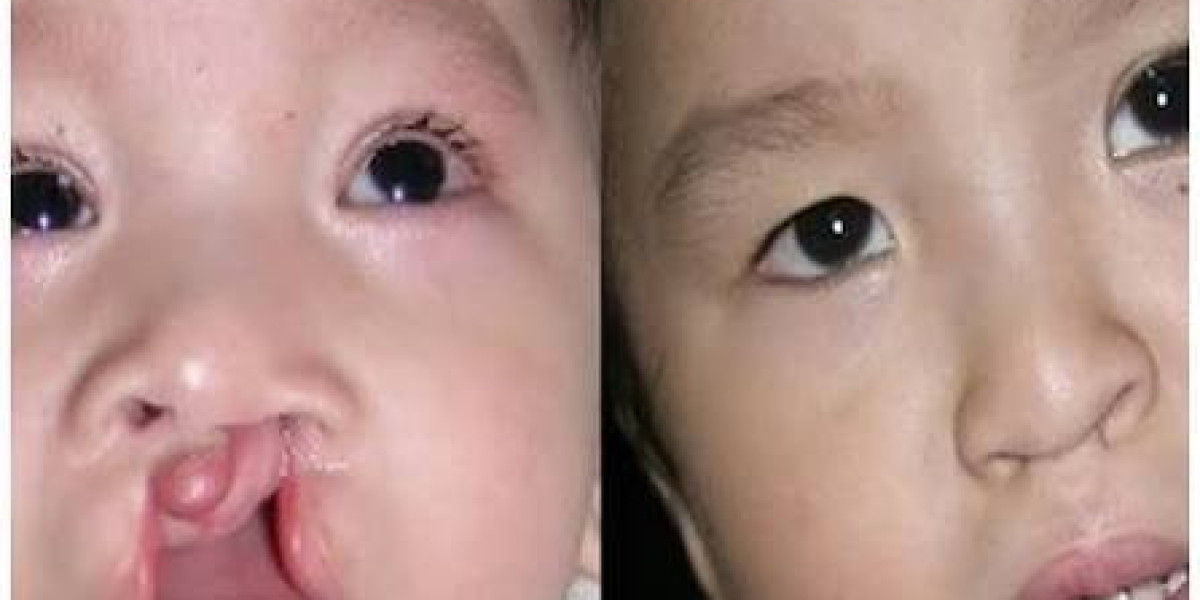

Palate repair surgery is a life-changing procedure designed to correct defects in the roof of the mouth, most commonly caused by a cleft palate. A cleft palate is a congenital condition in which the tissues that form the roof of the mouth do not fully join during fetal development. This gap can affect eating, speaking, hearing, breathing, and even emotional well-being. Fortunately, modern surgical techniques have made palate repair highly effective, helping children and adults achieve better oral function, improved appearance, and enhanced quality of life. The primary goal of palate repair surgery is to close the opening in the palate while restoring the normal function of the mouth and surrounding muscles. Although the Palate Repair Surgery in Islamabad is often performed during infancy, older children and adults who have not received treatment may also benefit significantly. Beyond correcting the physical defect, palate repair supports proper speech development, reduces the risk of infections, improves nutrition, and promotes healthier facial growth. Understanding the many advantages of this procedure can help patients and families make informed decisions about treatment.
Understanding Palate Repair Surgery
Palate repair surgery, also known as palatoplasty, is a surgical procedure that reconstructs the roof of the mouth by closing the cleft and repositioning the muscles of the soft palate. The operation is carefully planned to restore the structure and function of the palate while minimizing future complications. During the procedure, the surgeon joins the separated tissues, repairs the muscles responsible for speech and swallowing, and creates a more natural anatomy.The surgery is usually performed when a child is between 9 and 18 months old, although the exact timing depends on the child's overall health and the severity of the cleft. Adults who have an untreated cleft palate or require revision surgery can also undergo palate repair. Advances in surgical techniques and postoperative care have greatly improved success rates, allowing patients to enjoy long-term functional and aesthetic benefits.
Improved Speech Development
One of the most important benefits of palate repair surgery is improved speech development. The palate plays a vital role in producing clear speech sounds by separating the oral and nasal cavities. When there is a gap in the palate, air escapes through the nose, making speech sound nasal and difficult to understand.Repairing the palate restores the proper function of the soft palate muscles, allowing better control of airflow during speech. Children who undergo surgery at an early age are more likely to develop normal speech patterns as they grow. Although some patients may still require speech therapy after surgery, the repaired palate provides the necessary structure for effective communication. Early intervention significantly reduces speech-related challenges and helps children communicate with greater confidence.
Better Feeding and Swallowing
A cleft palate can make feeding extremely difficult, especially in infants. Because the roof of the mouth is incomplete, babies may struggle to create the suction needed for breastfeeding or bottle feeding. Milk may leak through the nose, leading to frustration, prolonged feeding times, and inadequate nutrition.Palate repair surgery restores the separation between the mouth and nasal passages, allowing more effective sucking and swallowing. As a result, children can feed more comfortably, gain weight appropriately, and receive the nutrients necessary for healthy growth and development. Adults who undergo palate repair also experience improved swallowing function, making eating more comfortable and enjoyable.
Reduced Risk of Ear Infections
Children with a cleft palate are at a much higher risk of developing frequent ear infections. This occurs because the muscles that help open the Eustachian tubes often do not function properly, leading to fluid buildup in the middle ear. Persistent ear infections can cause pain, temporary hearing loss, and even permanent hearing damage if left untreated.Palate repair helps restore the function of these muscles, allowing better drainage of the middle ear. As a result, the frequency of ear infections often decreases significantly after surgery. Many patients also require ear tubes during treatment to improve hearing and prevent further complications. By reducing ear problems, palate repair supports healthier hearing development and overall well-being.
Enhanced Hearing Health
Good hearing is essential for language development, learning, and social interaction. Hearing problems caused by repeated ear infections can interfere with a child's ability to develop speech and perform well in school. Adults may also experience communication difficulties due to hearing loss associated with an unrepaired cleft palate.Following palate repair, improved muscle function often enhances middle ear ventilation, reducing fluid accumulation and supporting healthier hearing. Combined with regular hearing assessments and appropriate medical care, the surgery contributes to better auditory health and improved communication skills throughout life.
Improved Breathing Function
An unrepaired cleft palate can contribute to breathing difficulties in some individuals, particularly when combined with other craniofacial abnormalities. Although palate repair primarily focuses on restoring oral function, it also helps improve the structural integrity of the mouth and throat.By reconstructing the palate and repositioning the surrounding muscles, the surgery promotes more efficient airflow through the upper airway. Improved breathing can enhance sleep quality, reduce airway complications, and contribute to better overall health. Patients who previously experienced breathing discomfort may notice greater ease during daily activities following recovery.
Healthier Dental Development
The palate plays an essential role in supporting the proper alignment of the teeth and jaw. A cleft palate can interfere with normal dental development, causing crowded teeth, missing teeth, bite problems, and abnormal jaw growth. These issues often require orthodontic treatment as the child grows.Although palate repair alone does not correct all dental concerns, it creates a stable foundation for future orthodontic and dental care. By restoring the roof of the mouth, the procedure supports healthier oral development and improves the effectiveness of later treatments such as braces or corrective jaw surgery. Long-term dental care remains an important part of comprehensive cleft management.
Improved Facial Growth and Development
The muscles and tissues of the palate contribute to normal facial growth during childhood. When these structures are disrupted by a cleft palate, facial development may be affected. Early surgical repair helps restore normal anatomy and encourages more balanced growth of the upper jaw and surrounding facial structures.Although additional treatments may sometimes be needed during adolescence, palate repair provides an important foundation for healthier facial development. Patients often experience improved facial symmetry and function as they grow, contributing to better oral health and appearance over time.
Better Nutrition and Overall Health
Proper nutrition is essential during infancy and childhood, when rapid growth and development occur. Feeding difficulties caused by a cleft palate can result in poor weight gain, nutritional deficiencies, and delayed physical development.After successful palate repair, children typically feed more efficiently and consume a wider variety of foods as they grow. Improved nutrition supports stronger immune function, healthier growth, and increased energy levels. Adults also benefit from easier eating and greater comfort during meals, leading to improved overall health and quality of life.
Increased Self-Confidence
Living with a cleft palate can affect emotional well-being, particularly as children become more aware of speech differences or social challenges. Difficulty communicating, repeated medical appointments, and concerns about appearance may impact self-esteem and confidence.Palate repair surgery often leads to noticeable improvements in speech, oral function, and overall quality of life. As communication becomes easier and daily activities improve, many patients develop greater confidence in social, educational, and professional settings. Feeling comfortable when speaking and interacting with others can have a lasting positive impact on emotional health.
Better Social Interaction
Communication is one of the foundations of successful relationships. Speech difficulties associated with an unrepaired cleft palate may make conversations challenging, potentially leading to social isolation or reduced participation in group activities.Following palate repair, improved speech clarity allows patients to express themselves more effectively. Children often participate more confidently in classroom discussions, while adults may feel more comfortable in professional and personal interactions. Enhanced communication skills strengthen relationships and encourage greater involvement in community life.
Long-Term Improvement in Quality of Life
The benefits of palate repair surgery extend well beyond childhood. Patients who receive comprehensive treatment often experience lifelong improvements in speech, eating, hearing, oral health, and emotional well-being. The surgery serves as a critical step in a multidisciplinary treatment plan that may include speech therapy, orthodontics, hearing care, and psychological support.Many individuals go on to lead healthy, active lives with minimal limitations related to their cleft condition. Early treatment combined with ongoing follow-up care helps maximize long-term outcomes and allows patients to reach their full potential.
Recovery After Palate Repair Surgery
Recovery from palate repair surgery generally requires several weeks. During the initial healing period, patients may experience mild swelling, discomfort, and temporary changes in eating habits. Surgeons typically recommend a soft diet, careful oral hygiene, and regular follow-up appointments to ensure proper healing.Parents and caregivers play an essential role in supporting recovery by following postoperative instructions and attending scheduled evaluations. Most children return to normal activities within a few weeks, while complete healing continues over several months. Speech therapy may be recommended after surgery to help patients develop clear and effective communication skills.
Who Is a Good Candidate for Palate Repair Surgery?
Most infants born with a cleft palate are excellent candidates for palate repair surgery once they reach the appropriate age and meet the necessary health requirements. Older children, teenagers, and adults with untreated cleft palates or previous repairs that require revision may also benefit from the procedure.Each patient undergoes a comprehensive evaluation by a multidisciplinary cleft care team, which may include plastic surgeons, oral and maxillofacial surgeons, pediatricians, speech-language pathologists, audiologists, orthodontists, and dentists. This collaborative approach ensures that every aspect of the patient's condition is carefully addressed to achieve the best possible outcome.
Conclusion
Palate repair surgery offers numerous physical, functional, and emotional benefits that can transform a patient's life. By restoring the structure of the roof of the mouth, the procedure improves speech development, enhances feeding and swallowing, reduces ear infections, supports healthier hearing, promotes proper facial growth, and contributes to better dental health. Beyond these medical advantages, palate repair helps patients build confidence, communicate more effectively, and enjoy a significantly improved quality of life.