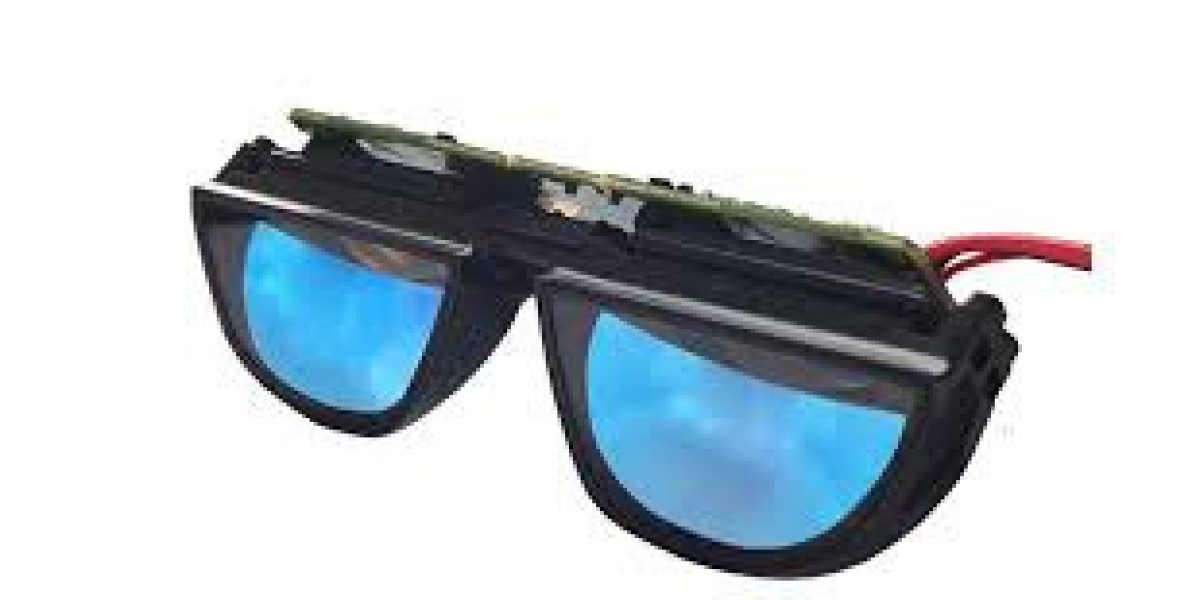

The Bird Bath optical module remains one of the most widely used optical solutions for augmented reality (AR) smart glasses. Its relatively simple optical structure, good image quality, and mature manufacturing process make it a popular choice for consumer and industrial AR products.
Yet, even advanced Bird Bath systems can experience image quality issues. Blurry edges, ghost images, reduced brightness, or limited field of view often frustrate users. Many people assume the display is at fault, but the optical module usually tells a different story.
Fortunately, these problems rarely happen without a reason. Understanding the real causes helps manufacturers improve optical performance and helps buyers understand why not all AR glasses deliver the same viewing experience.
Why Image Quality Depends on the Entire Optical System
A Bird Bath optical module works as part of a complete optical system rather than a standalone component.
The display engine, mirrors, beam splitter, optical coatings, lenses, mechanical alignment, and software calibration all work together.
If one component performs poorly, the final image suffers—even when every other part functions perfectly.
Building an AR display is much like conducting an orchestra. One instrument playing out of tune affects the entire performance.
Optical Alignment Is More Important Than Many Realize
Precise alignment is critical in Bird Bath optics.
Light must travel through multiple optical surfaces before reaching the user's eye. Even tiny alignment errors can change how virtual images appear.
Poor alignment may cause:
- Blurry image edges
- Uneven focus
- Double images
- Reduced image stability
- Eye discomfort
Manufacturers use precision assembly equipment because optical tolerances in AR systems are extremely small.
Low-Quality Optical Coatings Reduce Brightness
Most Bird Bath optical modules rely on partially reflective mirrors and beam splitters.
These components use specialized optical coatings to balance reflection and light transmission.
If coating quality is inconsistent, several problems may appear:
- Lower brightness
- Reduced contrast
- Increased reflections
- More visible ghost images
Modern coating technology plays a major role in overall AR image quality.
Even excellent optics cannot fully compensate for poor coating performance.
Ghost Images Often Come from Internal Reflections
Ghost images remain one of the most discussed challenges in Bird Bath AR systems.
They occur when unwanted reflections bounce between optical surfaces before reaching the user's eye.
Instead of seeing one sharp virtual object, the user may notice faint duplicate images.
Engineers reduce this effect by improving coating design, optimizing optical geometry, and carefully controlling surface quality.
Think of it like hearing your own voice echo in an empty room. The original sound is clear, but the extra reflection becomes distracting.
Display Brightness Must Match Outdoor Conditions
Many AR devices perform well indoors but struggle outside.
Bright sunlight competes directly with the projected virtual image.
Even an efficient Bird Bath optical module requires sufficient display brightness to remain visible in daylight.
Manufacturers balance brightness carefully because increasing display output also increases power consumption and heat generation.
Every improvement usually comes with a trade-off.
Limited Field of View Is a Design Challenge
Users often want wider virtual images.
Unfortunately, expanding the field of view is not always simple.
Bird Bath optical systems involve several physical limitations related to lens size, mirror geometry, and optical path length.
Increasing one parameter often affects another.
For example:
- Larger optics increase device size.
- Higher brightness raises power demand.
- Wider viewing angles may reduce optical efficiency.
Optical engineering is often about finding the best compromise rather than chasing perfection.
Dust and Contamination Affect Optical Performance
AR glasses operate in everyday environments.
Dust, fingerprints, skin oils, and airborne particles gradually accumulate on optical surfaces.
Even small contaminants scatter light and reduce image clarity.
Routine cleaning using approved optical materials helps maintain performance without damaging delicate coatings.
Microfiber cloths designed for optics remain one of the safest cleaning options.
Manufacturing Precision Makes a Big Difference
Bird Bath optics require exceptional manufacturing accuracy.
Critical factors include:
- Surface flatness
- Optical polishing
- Component positioning
- Mechanical stability
- Coating consistency
Tiny production variations may influence image quality far more than most users realize.
This explains why premium AR devices often achieve better visual performance despite using similar optical concepts.
Heat Can Influence Long-Term Performance
Electronic displays generate heat.
Although the optical components themselves produce little heat, nearby display engines and electronics may affect system stability.
Manufacturers design thermal management systems to maintain consistent optical alignment and display performance during extended operation.
Stable temperatures improve reliability while reducing long-term performance changes.
How Manufacturers Improve Bird Bath Optical Module Performance
Engineers use several proven methods to optimize image quality.
Precision Optical Alignment
Automated alignment systems position optical components with extremely high accuracy during manufacturing.
Advanced Optical Coatings
High-performance multilayer coatings improve transmission while minimizing unwanted reflections.
Better Display Engines
Modern Micro OLED and Micro LED displays provide higher brightness and improved image quality for AR applications.
Strict Quality Inspection
Manufacturers inspect optical components throughout production using interferometers, imaging systems, and precision measurement equipment.
Early quality control prevents defects from reaching final assembly.
Is Bird Bath Still a Good Choice for AR?
Absolutely.
Although waveguide optics receive significant attention, Bird Bath optical modules continue to offer several advantages.
These include:
- Mature manufacturing processes
- Excellent image quality
- High optical efficiency
- Lower development complexity
- Reliable performance
Many consumer AR products continue using Bird Bath designs because they provide an effective balance between image quality, manufacturing cost, and optical performance.
Final Thoughts
The Bird Bath optical module remains an important optical solution for modern AR devices. While image quality challenges such as ghost images, brightness limitations, alignment errors, and field-of-view constraints exist, engineers continue improving these systems through better optics, coatings, manufacturing precision, and display technology.
Rather than judging an AR headset by brightness alone, users should consider the complete optical system. In AR design, every optical surface contributes to the final viewing experience.
When all components work together, the technology almost disappears—and that is exactly what great optics should achieve.