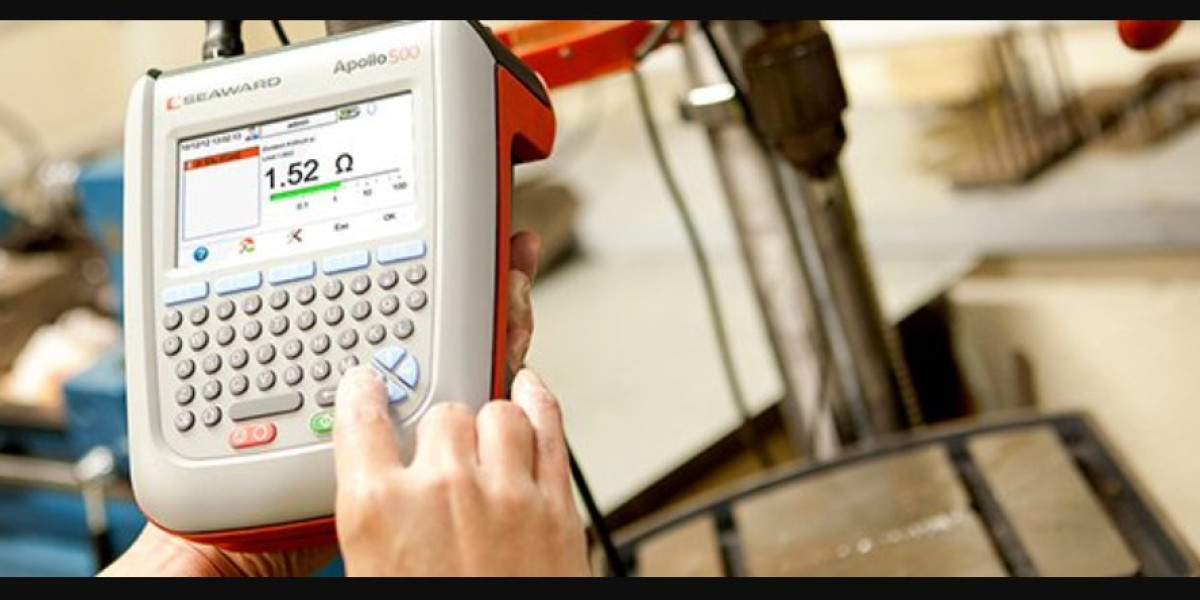

When starting out in the world of Portable Appliance Testing (PAT), the sheer volume of equipment available on the market can be daunting. For a beginner, the transition from manual testing—which relies heavily on individual knowledge and constant record-keeping—to automated test sequencing can feel like a major leap in operational efficiency. Automatic test sequencing allows a tester to run through the entire suite of required electrical tests (such as earth continuity, insulation resistance, and polarity) at the touch of a button. This not only speeds up the process significantly in busy commercial environments but also minimizes the risk of human error by ensuring that every test is performed in the correct order and recorded accurately. However, selecting a unit with this functionality is not just about convenience; it is about building a foundation of reliability.
Key Features to Look for in Automated PAT Testers
When evaluating different models with automatic sequencing, prioritize devices that offer clear, intuitive interfaces. As a beginner, you want a tester that provides easy-to-read results, ideally with a "Pass/Fail" indicator that removes the guesswork from complex numerical data. Look for units that allow you to create custom test sequences. Different environments, such as construction sites or office blocks, often require slight variations in testing parameters; having the flexibility to adapt your automated sequences to the specific needs of the environment is essential. Additionally, consider the data storage and connectivity options. A tester that can sync directly with a laptop or mobile app to generate instant asset registers and labels will save you hours of administrative work. Understanding how to interpret the data generated by these advanced testers requires a firm grasp of the underlying electrical theory, which is why a comprehensive pat testing course remains the best starting point for any aspiring technician.
Balancing Automation with Professional Judgment
While automatic sequencing is a powerful tool, it should never be viewed as a replacement for professional judgment. A beginner might be tempted to rely entirely on the "Pass" light on their tester, but this can lead to complacency. It is vital to perform a thorough visual inspection of the appliance, the plug, and the cord before ever plugging it into the testing device. Automation does not detect frayed insulation, loose casings, or damaged plug pins—these are still the responsibility of the human operator. Your training should emphasize that the machine is your assistant, not your eyes. By combining a meticulous visual inspection with the speed and accuracy of an automated tester, you provide a level of safety that is truly professional. Learning how to integrate these automated processes with standard safety checklists is a recurring theme during every quality pat testing course, ensuring that graduates become safe, well-rounded, and efficient inspectors.
Data Management and Asset Tracking Capabilities
For beginners looking to scale their work into a sustainable business or a full-time role, the software capabilities of a PAT tester are just as important as its electrical testing accuracy. The ability to download test results, organize them by location or asset ID, and generate professional reports is what sets a serious service provider apart from a hobbyist. When selecting your equipment, check if the manufacturer provides software that is easy to update and compliant with current industry regulations. Being able to provide a client with a full, digital history of their appliance testing is a service that adds immense value to your business. It turns a simple safety check into a professional asset management service. Developing the organizational skills to manage large databases of test results is a challenge, but with the right mentorship provided in a professional pat testing course, you will learn how to organize your workflow for maximum efficiency and compliance.
Investing in Long-Term Professional Success
Choosing your first automatic PAT tester is an investment in your career trajectory. While it might be tempting to purchase the cheapest unit with an "auto" button, it is often better to invest in a recognized, durable model that offers room for growth as your skills develop. The best technicians are those who grow alongside their tools; they understand the inner workings of the appliance and the intricacies of the testing standards, which allows them to troubleshoot any machine they encounter.