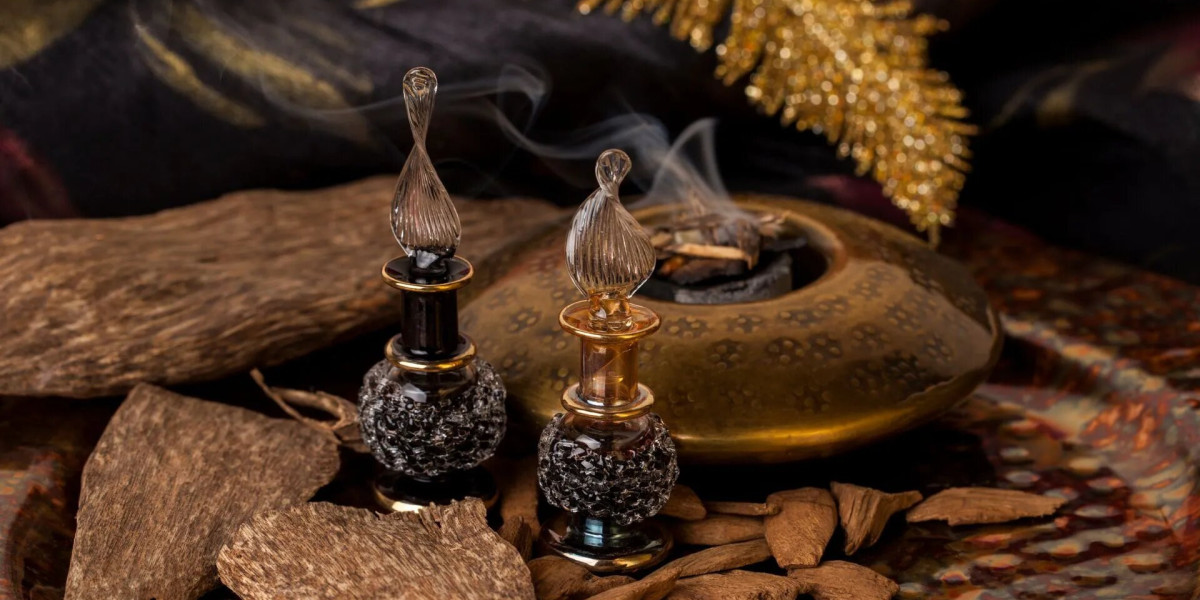

Oud is one of the most precious fragrance materials in the world, often called “liquid gold” due to its rarity, depth, and complexity. It is not created synthetically in its purest form but is extracted from a natural source: agarwood. Understanding how oud is made reveals why it is so valuable in luxury perfumery and why its production requires time, skill, and patience.
What Is Agarwood?
Agarwood comes from the Aquilaria tree, which grows mainly in Southeast Asia. In its natural, healthy state, the wood is pale and almost scentless. However, when the tree becomes infected by a specific type of fungus or experiences physical damage, it reacts defensively by producing a dark, aromatic resin.
This resin slowly saturates parts of the heartwood, transforming it into agarwood. The longer and more intense the process, the richer the fragrance becomes. Only a small percentage of Aquilaria trees naturally produce this resin, which is why oud is extremely rare and expensive.
Step 1: Formation of Resin (Nature’s Reaction)
The journey of oud begins deep in nature. When the Aquilaria tree is wounded or infected, it begins producing resin as a defense mechanism. Over time, this resin spreads through the wood, creating dark, dense, and fragrant agarwood.
This process can take many years, sometimes even decades. The quality of oud depends heavily on:
- Tree species
- Age of the tree
- Environmental conditions
- Type of infection or stress
- Resin concentration
The more resin present, the richer and more complex the final scent.
Step 2: Harvesting and Selection of Agarwood
Once the resin-rich areas are identified, skilled harvesters carefully extract the affected wood. Not all parts of the tree are used—only the dark, aromatic sections are valuable.
The wood is then sorted based on quality:
- High-resin pieces are reserved for oil extraction
- Medium-quality wood may be used for incense
- Lower-grade material is often used in blends or burned for aroma
This grading process is crucial because it directly affects the final perfume quality.
Step 3: Cleaning, Drying, and Preparation
Before distillation, agarwood must be properly prepared. It is cleaned to remove dirt and impurities, then cut or chipped into smaller pieces. Smaller surface areas allow better extraction of aromatic compounds.
In many traditional methods, the wood is soaked in water for days or even weeks. This helps soften the material and enhances oil release during distillation. Some producers also allow a mild fermentation process, which deepens the scent profile.
Step 4: Distillation – Extracting the Oud Oil
The most important stage in oud production is distillation. The prepared agarwood is placed into large distillation vessels filled with water. Heat is applied slowly, and steam carries the aromatic compounds upward.
As the vapor cools, it condenses into liquid form, separating into:
- Hydrosol (fragrant water)
- Oud oil (dense, aromatic essence that floats or settles depending on density)
This process can take several days or even weeks. Hundreds of kilograms of agarwood may produce only a few milliliters of pure oud oil, making it one of the most concentrated natural perfumes in existence.
Step 5: Aging and Maturation
Freshly distilled oud oil is often sharp, smoky, and sometimes animalic. It is not immediately ready for use in luxury perfumery. Instead, it is aged for months or even years.
During aging:
- Harsh edges soften
- Woody and balsamic notes deepen
- The scent becomes smoother and more balanced
Aged oud is far more valuable because it develops complexity and elegance over time.
Step 6: Blending into Fine Perfume
Once matured, oud oil becomes a key ingredient in luxury fragrances. Perfumers rarely use it alone due to its intensity. Instead, it is blended with complementary notes such as rose, amber, sandalwood, saffron, vanilla, or spices.
This blending transforms oud from a raw natural extract into a wearable perfume suitable for modern lifestyles. The artistry lies in balancing its dark richness with softer, more inviting notes.
The Sensory Identity of Oud
Oud is not a single scent—it is an evolving experience. On the skin, it can shift through different phases:
- Woody and smoky at first
- Warm, resinous, and slightly sweet
- Deep, creamy, and long-lasting in the dry-down
This complexity is why oud is so highly valued in perfumery and cultural traditions around the world.
Why Oud Is So Expensive
The rarity of oud comes from several factors:
- Only a small percentage of trees produce resin
- Formation takes many years
- Extraction yields are extremely low
- Distillation requires skilled craftsmanship
- Aging is essential for quality refinement
All of these factors combine to make oud one of the most expensive natural fragrance materials on earth.
Modern Oud in Perfumery
Today, oud is used in both traditional attars and modern designer perfumes. Western perfumery often softens its intensity by blending it with floral and gourmand notes, making it more accessible while still preserving its luxurious character.
Brands and artisans continue to innovate with oud compositions, ensuring its relevance in both niche and mainstream fragrance markets.
Final Thoughts
The journey from agarwood to oud perfume is a remarkable transformation driven by nature, time, and human craftsmanship. From a simple tree reaction to a globally prized fragrance, oud represents patience, rarity, and artistry at every stage.
If you are exploring premium oud fragrances, including carefully crafted oils and blends, you can experience authentic selections here: using the keyword Long-lasting oud oil for men.







