
In today's highly competitive textile and garment industry, maintaining consistent product quality is no longer optional. Global buyers expect fabrics to meet strict international standards before they are accepted for production. Even minor defects can result in rejected shipments, increased production costs, and damage to a manufacturer's reputation.
This is where Fabric Inspection Machines play a critical role. They help manufacturers identify fabric defects before cutting and sewing, ensuring only high-quality material enters the production process. By improving inspection accuracy and efficiency, these machines support compliance with international quality requirements while reducing waste and production delays.
At Lunex Machine, we provide advanced fabric inspection solutions designed to help textile manufacturers improve quality control and achieve higher productivity.
Why Fabric Inspection Matters
Fabric is the foundation of every garment. If defects are overlooked during inspection, they can lead to expensive problems later in production.
Common fabric defects include:
- Holes and tears
- Oil and grease stains
- Color variations
- Weaving faults
- Yarn defects
- Printing imperfections
- Uneven fabric width
- Creases and wrinkles
Detecting these issues early prevents defective garments from reaching customers and significantly reduces production losses.
How Fabric Inspection Machines Work
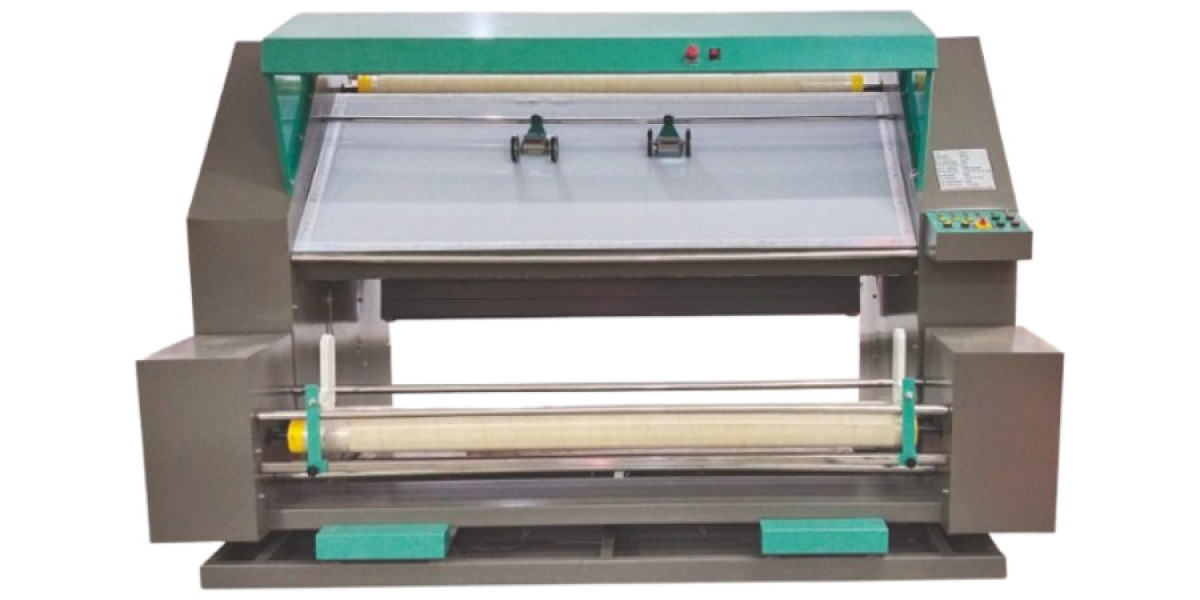
Modern Fabric Inspection Machines automatically unwind the fabric roll and pass it over a well-lit inspection table where operators can easily identify defects.
Most advanced machines include features such as:
- Adjustable inspection speed
- LED lighting for clear visibility
- Accurate fabric length measurement
- Fabric width measurement
- Roll-to-roll rewinding
- Digital defect recording
- Tension control systems
These features make inspection faster, more accurate, and less dependent on manual processes.
Supporting International Quality Standards
Global apparel brands require suppliers to maintain strict quality management systems. Fabric inspection is an essential part of these requirements.
Using Fabric Inspection Machines helps manufacturers:
Improve Defect Detection
High-quality inspection systems make even small defects easier to identify before production begins.
Maintain Consistent Quality
Standardized inspection procedures ensure every fabric roll is checked using the same quality parameters.
Reduce Human Error
Modern machines improve visibility and measurement accuracy, helping inspectors make more reliable decisions.
Increase Traceability
Many inspection systems allow operators to record defect locations, creating valuable quality reports for customers and internal audits.
Support Buyer Compliance
International buyers often require documented inspection records before approving shipments. Accurate inspection data helps manufacturers demonstrate their commitment to quality.
Benefits for Textile Manufacturers
Investing in advanced Fabric Inspection Machines provides both operational and financial advantages.
Lower Production Costs
Finding defects before cutting prevents fabric waste, rework, and rejected garments.
Higher Productivity
Automated inspection speeds up quality control while allowing operators to inspect larger fabric volumes in less time.
Better Customer Satisfaction
Consistent fabric quality leads to better-finished garments, improving customer trust and increasing repeat business.
Reduced Material Waste
Early defect identification minimizes unnecessary fabric consumption during production.
Improved Factory Efficiency
Smooth inspection processes reduce bottlenecks and help maintain production schedules.
Industries That Benefit
Fabric inspection equipment is widely used across numerous industries, including:
- Garment manufacturing
- Textile mills
- Fabric processing units
- Home textile production
- Upholstery manufacturers
- Technical textile manufacturers
- Export-oriented apparel factories
Any business that depends on consistent fabric quality can benefit from reliable inspection systems.
Choosing the Right Fabric Inspection Machine
Selecting the right machine depends on your production requirements.
Important factors include:
- Fabric type compatibility
- Roll size capacity
- Inspection speed
- Fabric width support
- Measurement accuracy
- Lighting quality
- Ease of operation
- Maintenance requirements
- Automation features
- After-sales support
Choosing equipment from an experienced manufacturer ensures long-term reliability and better production performance.
Why Choose Lunex Machine?
At Lunex Machine, we understand the quality demands of modern textile manufacturing. Our Fabric Inspection Machines are engineered to deliver accurate inspection, smooth fabric handling, and reliable performance for factories of all sizes.
Our machines are designed to help manufacturers:
- Detect defects efficiently
- Improve production quality
- Reduce operational costs
- Increase inspection speed
- Minimize fabric waste
- Meet international buyer expectations
With durable construction, user-friendly controls, and dependable after-sales support, Lunex Machine continues to be a trusted partner for textile businesses seeking higher quality standards.
Conclusion
Meeting international quality standards begins with effective fabric inspection. Investing in modern Fabric Inspection Machines enables manufacturers to identify defects early, improve production efficiency, reduce waste, and deliver premium-quality fabrics to customers worldwide.
As global competition continues to grow, reliable quality control has become a key factor in business success. With advanced inspection solutions from Lunex Machine, textile manufacturers can confidently meet buyer expectations, strengthen their reputation, and build long-term growth through consistent quality assurance.







