
The choice of fingerboard wood plays a major role in how a guitar feels, sounds, and responds to a player’s touch. Among the most respected materials in instrument making is the ebony fretboard, known for its smooth texture, tight grain, and premium appearance. Guitarists often associate it with fast playability and a crisp tonal response. At the same time, many players find themselves comparing it in the ongoing ebony vs rosewood fretboard discussion, trying to understand which material better suits their playing style and musical goals. Both options have loyal supporters, and each brings unique strengths to the instrument.
Understanding these differences is not just about technical details but also about personal preference. The ebony fretboard is often praised for its luxurious feel and bright articulation, while rosewood is known for warmth and a slightly softer touch. When choosing between them, players consider tone, comfort, maintenance, and even visual appeal.
The Character of Ebony and Its Playing Feel
One of the most defining features of the ebony fretboard is its extremely smooth surface. This dense wood is finely grained, which allows fingers to glide effortlessly across the neck. Many lead guitarists and shredders prefer ebony because it supports fast runs, bends, and complex fretwork without resistance. The tactile experience is often described as sleek and polished, almost glass-like when properly finished.
Tonally, the ebony fretboard contributes to a bright, articulate sound. Notes tend to have strong attack and clarity, which makes it especially popular for genres where precision matters, such as jazz, metal, and classical guitar. The response is immediate, giving players a sense of control and definition in every note they play.
When musicians talk about the ebony fretboard, they often highlight how it enhances note separation. Chords sound more defined, and single-note lines cut through the mix with clarity. This makes it a preferred choice for studio recording and live performance where articulation is critical.
Playability and Musical Expression
Beyond tone, the ebony fretboard also influences how a guitar responds to expressive techniques. Techniques like vibrato, hammer-ons, and pull-offs feel fluid and controlled. Because of the wood’s density, it provides a stable surface that does not absorb much vibration, allowing the strings’ natural tone to shine through.
Some players notice that an ebony fretboard gives their instrument a slightly snappier response compared to softer woods. This can enhance dynamic playing, where subtle variations in picking strength translate clearly into sound differences. For musicians who rely on precision, this responsiveness becomes a key advantage.
However, preference is subjective. While many enjoy the crispness of an ebony fretboard, others may find it too bright or clinical depending on their musical style. This is where comparisons begin to matter, especially when evaluating alternatives like rosewood.
Maintenance and Long-Term Durability
One of the practical benefits of the ebony fretboard is its durability. Ebony is naturally dense and resistant to wear, which helps it maintain a polished look even after years of heavy playing. It also tends to resist dirt buildup, making it relatively easy to clean and maintain compared to more porous woods.
That said, environmental conditions still matter. Like all wooden components, the ebony fretboard benefits from occasional conditioning to prevent drying or cracking. Proper humidity control is important, especially for high-end instruments where longevity is a priority.
Players who tour frequently or practice intensively often appreciate how stable an ebony fretboard remains over time. Its resistance to indentation from string pressure makes it a reliable choice for long-term use.
The Ebony vs Rosewood Fretboard Comparison
The debate surrounding ebony vs rosewood fretboard choices has existed for decades among guitarists. While both are premium tonewoods, they offer distinctly different experiences in sound and feel.
In the ebony vs rosewood fretboard comparison, ebony is generally brighter, tighter, and more focused in tone. Rosewood, on the other hand, is warmer, more open, and slightly softer in attack. This makes rosewood appealing for blues, classic rock, and styles where a rounded tone is preferred.
The ebony vs rosewood fretboard discussion also extends to texture. Ebony feels smoother and faster under the fingers, while rosewood has a more natural, slightly porous texture that some players find more organic and comfortable for rhythm playing.
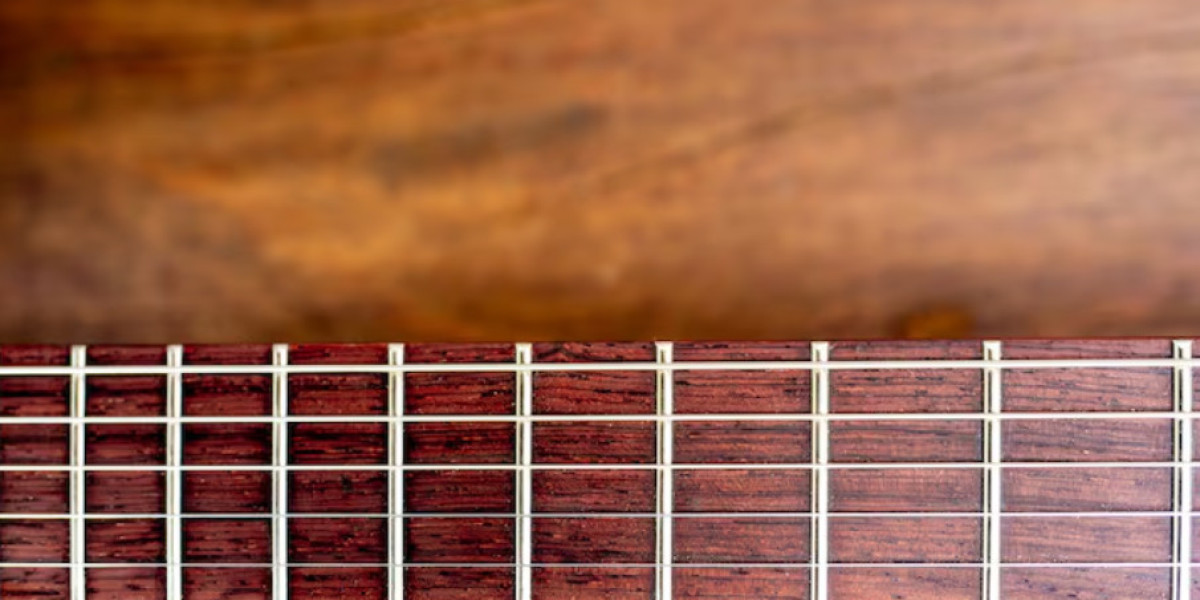
Visually, ebony is often jet black or very dark brown, giving instruments a sleek and modern appearance. Rosewood typically features reddish-brown tones with visible grain patterns, creating a more traditional and rustic aesthetic. These visual differences can influence a player’s emotional connection to their instrument just as much as sound and feel.
Another important factor in the ebony vs rosewood fretboard debate is maintenance. Ebony generally requires less frequent conditioning due to its density, while rosewood benefits from occasional oiling to maintain its condition and prevent dryness. Both are durable, but they age differently depending on care and environment.
Choosing the Right Fretboard for Your Style
Deciding between options like the ebony fretboard and rosewood ultimately comes down to personal playing style and sonic preference. If a guitarist values speed, clarity, and a modern tone, ebony is often the preferred choice. It supports technical playing and enhances articulation, making it ideal for lead guitarists and precision-focused musicians.
On the other hand, players who prefer warmth, depth, and a slightly more forgiving feel may lean toward rosewood. It complements rhythm playing and genres that emphasize smoothness over sharp attack.
When revisiting the ebony vs rosewood fretboard comparison, it becomes clear that neither option is objectively better. Instead, each serves a different musical purpose. Many professional guitarists even own instruments with both types, choosing based on the sound required for a specific performance or recording session.
Final Thoughts
The ebony fretboard continues to be one of the most respected choices in guitar construction due to its smooth feel, bright tone, and long-lasting durability. At the same time, the ongoing ebony vs rosewood fretboard discussion highlights how diverse player preferences can be when it comes to tone and touch.
Ultimately, the best fretboard is the one that inspires the player. Whether it’s the crisp articulation of ebony or the warm resonance of rosewood, both materials offer unique qualities that shape musical expression in meaningful ways.






