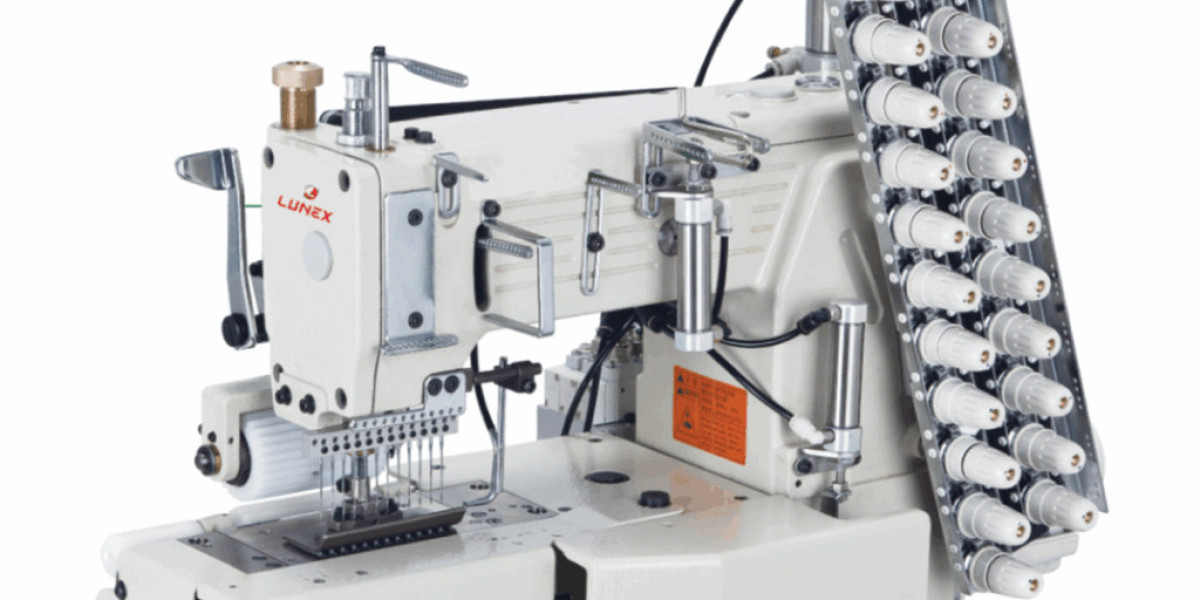

In today's fast-paced apparel manufacturing industry, selecting the right Sewing Machine is one of the most important decisions for achieving higher productivity, consistent quality, and lower production costs. As garment manufacturers face increasing demand and tighter delivery schedules, investing in the right sewing technology can significantly improve operational efficiency.
At Lunex Machine, we understand that every garment factory has unique production requirements. Whether you produce t-shirts, jeans, uniforms, sportswear, or fashion apparel, choosing the right sewing machine can directly impact your business performance.
Why the Right Sewing Machine Matters
A sewing machine is the backbone of any garment production line. It performs critical stitching operations that determine the durability, appearance, and quality of finished garments. An unsuitable machine can lead to production delays, thread breakage, inconsistent stitching, and increased maintenance costs.
Modern garment factories require machines that offer:
- High-speed operation
- Consistent stitch quality
- Low maintenance requirements
- Energy efficiency
- Operator-friendly controls
- Reliable performance during long production hours
Choosing the right equipment ensures smoother workflow and better return on investment.
Key Factors to Consider When Choosing a Sewing Machine
1. Production Volume
Before purchasing a sewing machine, evaluate your daily production targets. High-volume garment factories require industrial-grade machines capable of operating continuously at high speeds without compromising stitch quality.
For large-scale manufacturing, industrial lockstitch, overlock, and interlock sewing machines are often preferred because they can handle heavy workloads efficiently.
2. Type of Garments Being Produced
Different garments require different stitching techniques. The sewing machine you choose should match your product category.
Examples include:
- T-shirts and knitwear: Overlock and flatlock machines
- Denim products: Heavy-duty lockstitch machines
- Sportswear: Stretch-friendly interlock machines
- Shirts and uniforms: High-speed single-needle lockstitch machines
Selecting the correct machine for the fabric and garment type improves production quality and reduces defects.
3. Machine Speed
Speed is crucial in high-volume manufacturing environments. Industrial sewing machines can operate at speeds ranging from 3,000 to over 7,000 stitches per minute.
When comparing options, look for machines that provide:
- Stable high-speed performance
- Minimal vibration
- Automatic thread trimming
- Automatic presser foot lifting
- Efficient motor systems
These features help increase productivity while reducing operator fatigue.
4. Automation Features
Modern sewing machines are equipped with advanced automation technologies designed to improve efficiency and reduce labor dependency.
Popular automation features include:
- Automatic thread cutting
- Needle positioning
- Programmable stitch patterns
- Auto back-tacking
- Digital control panels
- Error detection systems
Factories investing in automated sewing solutions often experience improved production consistency and lower operating costs.
5. Fabric Compatibility
Not all sewing machines perform equally across different fabric types. Manufacturers working with lightweight fabrics, stretch materials, denim, or heavy textiles must ensure their machine is specifically designed for those materials.
A machine optimized for your fabric type will provide:
- Better stitch quality
- Reduced fabric damage
- Fewer skipped stitches
- Improved production efficiency
6. Energy Efficiency
Energy costs can significantly impact overall manufacturing expenses. New-generation sewing machines equipped with servo motors consume less electricity compared to traditional clutch motor systems.
Benefits of energy-efficient machines include:
- Lower electricity bills
- Reduced heat generation
- Quieter operation
- Improved workplace environment
Choosing an energy-saving sewing machine helps manufacturers improve profitability over time.
Common Types of Industrial Sewing Machines
Single Needle Lockstitch Machine
The most widely used sewing machine in garment manufacturing. It is suitable for general stitching operations and provides strong, clean seams.
Overlock Sewing Machine
Designed for edge finishing and seam construction. It prevents fabric fraying and is commonly used in knitwear production.
Interlock Sewing Machine
Ideal for stretch fabrics and sportswear. It creates flexible seams that enhance garment comfort and durability.
Flatlock Sewing Machine
Commonly used in activewear and undergarments. It produces flat seams that reduce irritation and improve garment appearance.
Bar-Tacking Machine
Used for reinforcing stress points such as belt loops, pocket corners, and zipper areas.
Each machine serves a specific purpose, and many factories utilize multiple machine types to optimize production workflows.
Benefits of Investing in a High-Quality Sewing Machine
A reliable industrial sewing machine offers several long-term advantages:
- Increased production output
- Consistent stitch quality
- Reduced machine downtime
- Lower maintenance expenses
- Improved worker productivity
- Enhanced garment quality
- Faster order completion
By investing in quality equipment, manufacturers can remain competitive in an increasingly demanding global market.
Why Choose Lunex Machine?
At Lunex Machine, we provide advanced sewing solutions designed for modern garment manufacturing facilities. Our sewing machines are built to deliver:
- High-speed performance
- Superior stitch accuracy
- Long-lasting durability
- Energy-efficient operation
- Easy maintenance
- Reliable productivity
We help garment manufacturers select the right machinery based on production requirements, fabric types, and business goals.
Conclusion
Choosing the right c is essential for achieving efficient, high-speed garment production. Factors such as production volume, garment type, machine speed, automation features, fabric compatibility, and energy efficiency should all be carefully evaluated before making a purchase.
With the right sewing technology, manufacturers can increase productivity, reduce operational costs, and maintain superior garment quality. Lunex Machine is committed to helping businesses find reliable and innovative sewing solutions that support long-term growth and manufacturing success.