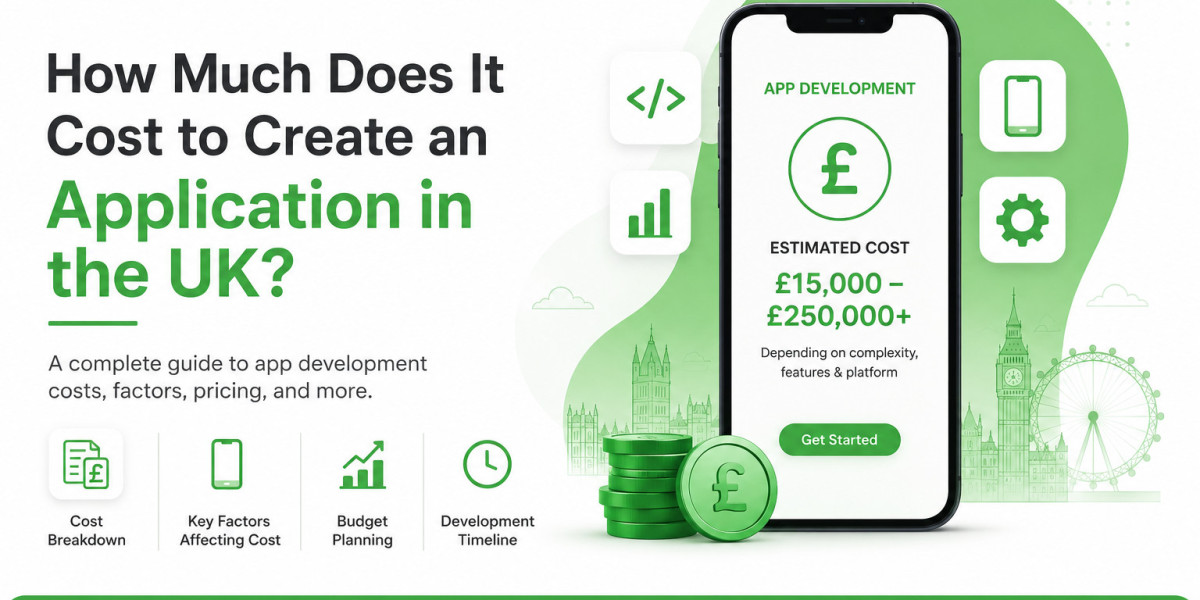

How Much Does It Cost to Create an Application in the UK?
Mobile applications have become an essential tool for businesses looking to improve customer engagement, increase sales, and strengthen their digital presence. Whether you are a startup, small business, or enterprise, developing an application can help you reach your audience more effectively. However, one of the most common questions businesses ask is: How Much Does It Cost to Create an Application in the UK?
The cost of application development in the UK varies depending on factors such as app complexity, features, design requirements, development platform, and maintenance needs. While a basic application may cost a few thousand pounds, a feature-rich enterprise application can require a significantly larger investment. Understanding these costs can help businesses plan their budgets more effectively and make informed decisions.
Understanding Application Development Costs in the UK
Application development involves several stages, including planning, UI/UX design, development, testing, deployment, and ongoing maintenance. The total cost depends on the amount of work required at each stage and the complexity of the application being developed.
Estimated Application Development Pricing in the UK
| Application Type | Estimated Cost |
|---|---|
| Simple Application | £5,000 – £20,000 |
| Medium Complexity Application | £20,000 – £60,000 |
| Complex Application | £60,000 – £250,000+ |
| Enterprise Application | £100,000 – £500,000+ |
Applications with advanced features, AI functionality, cloud infrastructure, and real-time systems generally require higher investment. The final cost depends on business requirements, integrations, security standards, and scalability needs.
Key Factors That Affect Application Development Costs
App Complexity
The complexity of an application is one of the biggest factors influencing development costs.
Simple Applications
Simple applications usually include basic functionality, limited screens, and minimal backend requirements. Examples include calculators, informational apps, and simple booking applications.
Medium Complexity Applications
These applications often include user authentication, push notifications, payment gateways, API integrations, and personalized dashboards. Examples include eCommerce applications and service-based booking platforms.
Complex Applications
Complex applications include advanced functionality such as AI-powered features, real-time messaging, video streaming, cloud synchronization, and analytics dashboards. These require significant development resources and expertise.
Platform Selection
The platform chosen for development can greatly impact the overall budget.
Native Development
Native applications are built specifically for iOS or Android platforms. While they provide excellent performance and user experience, they generally require a higher budget because separate development efforts are needed for each platform.
Cross-Platform Development
Technologies such as Flutter and React Native allow developers to build applications for multiple platforms using a single codebase. This approach can significantly reduce development costs and project timelines.
Web Applications
Web applications can be accessed through browsers and often cost less than native mobile applications. They are suitable for businesses seeking a cost-effective digital solution.
UI/UX Design
User experience plays a major role in an application's success. A custom-designed interface with modern visuals, animations, and seamless navigation requires additional design resources and can increase overall development costs.
Backend Infrastructure
Applications that require cloud storage, user account management, payment processing, and data synchronization need robust backend infrastructure. More advanced backend systems require additional development time and investment.
Third-Party Integrations
Many applications integrate with external tools and services such as:
Payment gateways
Social media platforms
CRM software
GPS and mapping services
Analytics tools
Each integration can add to the development complexity and cost.
Hidden Costs of Application Development
Many businesses focus only on the initial development cost and overlook ongoing expenses.
Application Maintenance
Regular updates, bug fixes, feature enhancements, and compatibility updates are necessary to keep applications functioning smoothly.
Hosting and Cloud Services
Applications that store data online require cloud hosting services, which involve recurring monthly or annual expenses.
Security Enhancements
Protecting user information is critical. Regular security updates and compliance measures can add to the long-term cost of maintaining an application.
App Store Fees
Publishing applications on platforms such as the Apple App Store and Google Play Store involves registration and developer account fees.
Cost Breakdown by Development Stage
| Development Stage | Percentage of Budget |
|---|---|
| Planning & Research | 10% |
| UI/UX Design | 15% |
| Frontend Development | 25% |
| Backend Development | 25% |
| Testing & Quality Assurance | 15% |
| Deployment & Launch | 10% |
Understanding how budgets are allocated across development stages helps businesses plan more effectively and avoid unexpected costs.
How to Reduce Application Development Costs
Start with an MVP
A Minimum Viable Product (MVP) includes only the core features required to launch the application. This approach allows businesses to test their idea before investing in additional functionality.
Prioritize Essential Features
Focus on the features that provide immediate value to users and add advanced features in future updates.
Use Cross-Platform Technologies
Developing a single application for both Android and iOS platforms can significantly reduce development costs.
Work with Experienced Developers
Choosing a professional development company helps ensure efficient project execution, better code quality, and fewer costly mistakes.
Why Choose TechConfer for Application Development?
TechConfer is a leading application and software development company that helps businesses build innovative, scalable, and user-friendly digital solutions. With expertise in mobile app development, web applications, custom software solutions, Flutter development, React Native development, and enterprise applications, TechConfer delivers tailored solutions that align with business goals. The company focuses on high-performance applications, intuitive user experiences, robust security, and ongoing support to help businesses succeed in today's competitive digital landscape. Whether you need a startup MVP or a large-scale enterprise application, TechConfer provides cost-effective and future-ready development services.
FAQs
How much does it cost to create an application in the UK?
Application development costs in the UK typically range from £5,000 for simple applications to over £500,000 for enterprise-level solutions.
How long does it take to develop an application?
A simple application may take 2–4 months, while a complex enterprise solution can take 9–12 months or longer depending on requirements.
Is cross-platform development cheaper than native development?
Yes. Cross-platform development generally reduces costs because developers can use a single codebase for both Android and iOS applications.
What factors influence application development costs?
The main factors include app complexity, platform selection, design requirements, backend infrastructure, integrations, and ongoing maintenance needs.
What is an MVP in application development?
An MVP (Minimum Viable Product) is a version of an application that contains only the essential features needed to launch and validate a business idea.
How much should businesses budget for maintenance?
Businesses should typically allocate around 15–20% of the initial development cost annually for maintenance, updates, and security improvements.