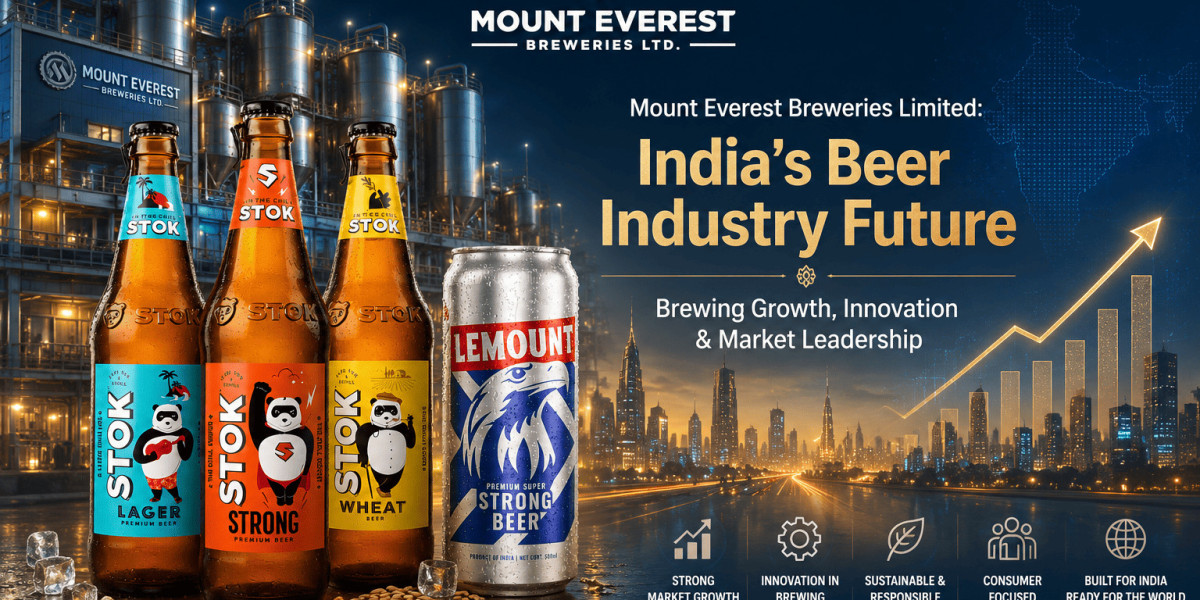

India's beer market is growing at a CAGR of 8.1% and is projected to reach USD 13.5 billion by 2028. This growth is not just about volume. It reflects a structural shift in consumer behaviour, distribution reach, and product innovation across the country.
Mount Everest Breweries Ltd stands at the centre of this shift. Understanding the forces driving India's beer industry helps you see where the market is headed and what opportunities are opening up for established players and new entrants alike.
This post covers the size and trajectory of the Indian beer market, the rise of craft and premium beer, emerging regional demand, key industry challenges, and what the next five years look like for Indian breweries.
What Is the Size of the Beer Market in India?
India's beer market is one of the fastest-growing in Asia. The country produced over 3.5 billion litres of beer in 2023, making it the third-largest beer market in Asia by volume. Despite this scale, per capita consumption remains low at roughly 2 litres per person per year, compared to 40+ litres in most European markets. That gap is the opportunity.
Urban Demand Is Accelerating
Metro cities like Bengaluru, Mumbai, Hyderabad, and Pune account for a significant portion of premium beer sales. Rising disposable incomes, a younger population, and changing social norms around alcohol consumption are all pushing demand upward. The 18–35 age group now drives nearly 60% of new beer consumption in urban India.
Tier 2 and Tier 3 Cities Are Opening Up
The next phase of growth will not come from metros. Cities like Indore, Lucknow, Coimbatore, and Nagpur are seeing rapid growth in organised retail and hospitality, both of which are key channels for beer sales. State-level excise policy changes have made distribution to these markets more commercially viable than before.
Export Potential Remains Underused
India currently exports a fraction of its beer production. Markets in Southeast Asia, the Middle East, and East Africa present real opportunities. Indian beer brands with strong quality credentials and competitive pricing can build volume in these geographies. Several established Indian breweries are already laying the groundwork for export growth.
How Is Craft Beer Changing the Indian Beverage Industry?
Craft beer is redefining what Indian consumers expect from the category. The segment grew at over 20% annually between 2019 and 2023 and now represents a meaningful share of on-premise premium sales in urban markets. It has raised the bar on product quality, packaging, and brand storytelling across the entire industry.
Microbreweries Are Building Local Demand
India had fewer than 50 microbreweries in 2015. By 2023, that number had crossed 200. Each microbrewery creates a local consumption habit, builds interest in beer as a category, and expands the overall market. For larger breweries, this is a demand-building mechanism, not a competitive threat.
Premiumisation Is Reshaping Shelf Mix
Consumers who start with craft beer in a gastropub often trade up to premium packaged beer at retail. This premiumisation effect is now visible in off-trade data. Premium and super-premium segments grew at twice the rate of the standard segment in 2022–2023. Indian breweries that have built premium portfolios are capturing this shift.
Innovation in Flavours and Formats
Wheat beers, fruit-infused variants, low-alcohol options, and session IPAs are gaining shelf space in Indian markets. Consumers in urban India are experimenting more than at any previous point. Breweries that bring new formats to market faster have a clear advantage in driving repeat purchase and brand loyalty.
What Are the Challenges Facing Indian Breweries?
Growth in the Indian beer market is real, but the operating environment is complex. Regulatory fragmentation, input cost volatility, and distribution constraints create ongoing pressure for both large and small breweries.
State-by-State Excise Regulation
Alcohol regulation in India falls under individual state governments. This means a brewery operating nationally must comply with 28+ distinct licensing and excise frameworks. Price controls, quota systems, and permit requirements vary significantly across states. Navigating this is a core operational competency for any serious player in the market.
Raw Material and Input Cost Pressure
Barley, malt, hops, packaging materials, and energy costs all affect brewery margins. Global commodity price volatility particularly post-2021 has squeezed operating margins across the industry. Breweries with strong procurement systems and long-term supplier relationships have managed this better than those without.
Distribution Infrastructure Gaps
Cold chain and last-mile logistics remain underdeveloped in many parts of India. This limits shelf life, increases spoilage risk, and restricts the geographies where premium and craft beer can realistically be sold. Investment in distribution infrastructure is as important as investment in production capacity for long-term growth.
Is India a Good Market for Premium Beer?
Yes, and the evidence is consistent. Premium beer volumes in India have grown every year for the past decade, even through periods of economic stress. The combination of a young population, rising incomes, and growing exposure to global beer culture makes India one of the strongest premium beer growth stories in the world right now.
Consumer Willingness to Pay Is Growing
Five years ago, a beer priced above Rs 200 was a niche product in India. Today, that price point has moved closer to mainstream in many urban markets. Consumers associate premium pricing with quality ingredients, cleaner brewing processes, and better packaging. Breweries that invest in product quality and brand building are capturing this willingness to pay.
On-Premise Channels Are Leading Premium Growth
Restaurants, bars, and hotels are where premium beer habits form. The hospitality sector in India is growing fast hotel room supply in India is expected to grow by 30% by 2027. This expansion directly creates more premium consumption occasions and gives breweries a larger platform for product education and trial.
Conclusion
India's beer industry is in a sustained growth phase driven by demographic tailwinds, premiumisation, and geographic expansion into new markets. Mount Everest Breweries Ltd and other established Indian producers are well-positioned to capture this growth, provided they continue investing in product quality, distribution reach, and regulatory navigation. The real question for the next decade is not whether India's beer market will grow the data is clear on that but which producers will build the brand equity and operational depth to lead it.