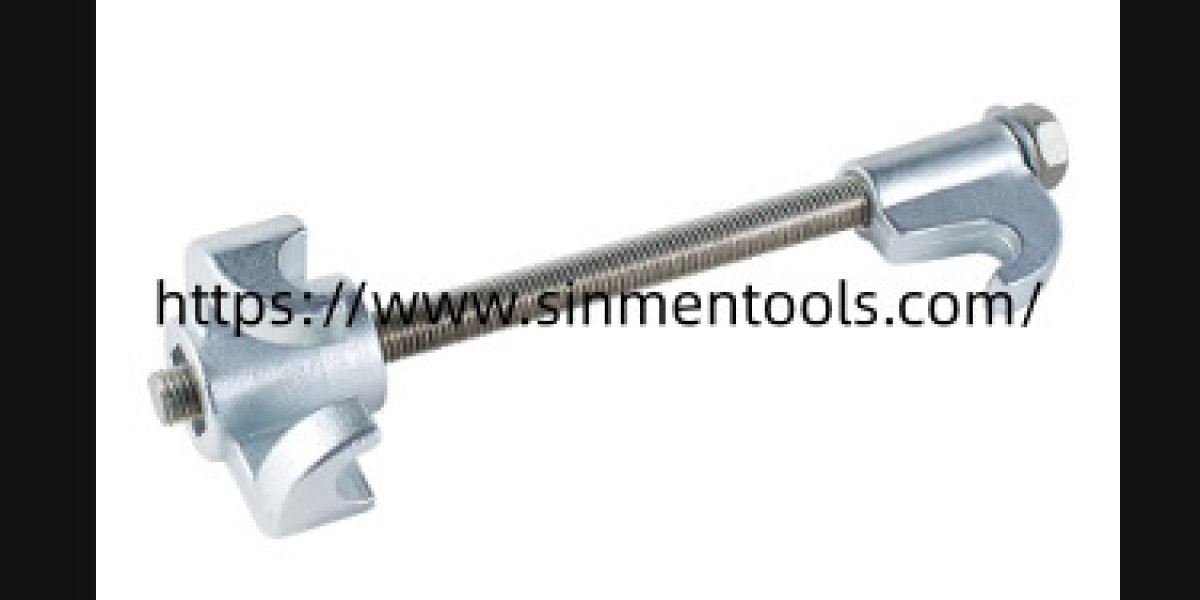

Coil Spring Compressor is commonly used in automotive workshops when dealing with suspension systems that require removal or installation of tightly fitted components. These parts store mechanical tension, which must be handled carefully during maintenance to avoid sudden movement or instability. Understanding proper usage methods is important for safe and controlled operation.
Before starting any work, inspection of the tool is necessary. Checking for wear, cracks, or deformation helps ensure the equipment can handle the required load. A damaged tool should not be used, as it may compromise stability during compression and increase operational risks.
Correct positioning is a key factor in safe use. The compressor should be placed evenly on both sides of the coil to ensure balanced force distribution. Misalignment can lead to uneven pressure, which may cause slipping or unwanted movement during operation.
Gradual application of force is recommended. Slow and steady adjustment allows the coil to compress in a controlled manner. Sudden force should be avoided, as it can increase stress on both the tool and the component being serviced. Controlled movement improves stability throughout the process.
Secure support of the suspension assembly is also important. The part being worked on should be firmly fixed before compression begins. This helps prevent shifting and ensures that the operation remains stable from start to finish.
Protective measures should be taken during maintenance work. Safety glasses and gloves can help reduce potential risks. While tools are designed for controlled operation, additional precautions contribute to safer working conditions.
Xinming focuses on producing mechanical tools designed for automotive maintenance environments. Attention is given to structural reliability and practical usability to support different workshop applications.
After compression, pressure should be released gradually. The stored energy must be reduced in a controlled manner before removing the equipment. Sudden release can cause movement that may affect surrounding parts or the operator.
Tool compatibility is another important consideration. Different vehicles have different suspension designs, so selecting a suitable model helps ensure proper fit and safe operation. Matching the equipment to the task improves both efficiency and control.
Regular maintenance of the tool is also important. Cleaning, inspection, and proper storage help maintain consistent performance over time. Well-maintained equipment supports safer and more reliable operation in workshop environments.
As automotive systems continue to develop, suspension structures may vary in design and complexity. Proper tools and correct handling methods remain essential for safe maintenance practices.
Xinming provides tool solutions designed for automotive repair and workshop use. More product information can be found at https://www.sinmentools.com/