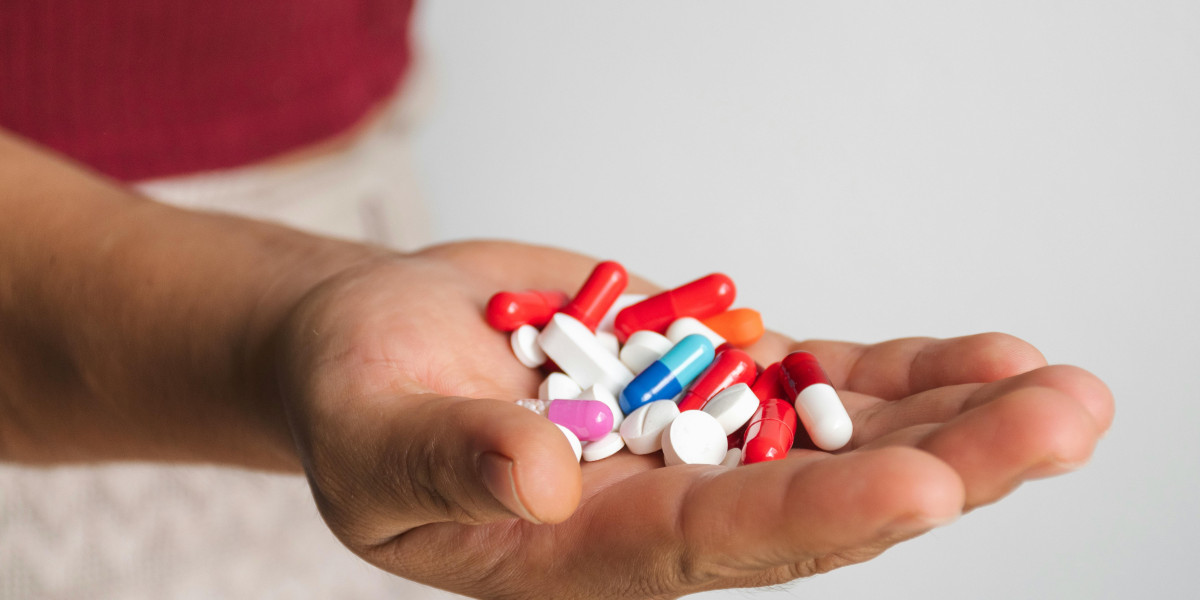

Best health supplements for daily energy without caffeine can support natural stamina, focus, and overall wellness without relying on coffee, energy drinks, or stimulant-based formulas. A helpful supplements review should explain which caffeine-free ingredients may support energy, how they work, who may benefit from them, and what safety points to check before buying. Many people want steady energy throughout the day, but caffeine is not suitable for everyone because it may cause jitters, anxiety, sleep problems, fast heartbeat, or energy crashes.
Why Choose Caffeine-Free Energy Supplements?
Caffeine can be useful for short-term alertness, but it is not the only way to support energy. Some people are sensitive to caffeine, while others want to avoid it because it affects sleep, digestion, blood pressure, or mood. People who already drink coffee or tea may also want to avoid stacking extra caffeine from supplements.
Caffeine-free supplements are designed to support energy in a different way. Instead of stimulating the nervous system, they may help support nutrient levels, oxygen transport, cellular energy production, hydration, muscle function, or stress balance.
However, supplements are not magic solutions. If you feel tired every day, the cause may be poor sleep, stress, dehydration, low food intake, anemia, thyroid problems, vitamin deficiency, medication side effects, or another health concern. Supplements may help when they match a real need, but ongoing fatigue should be discussed with a healthcare professional.
1. Vitamin B12 for Energy Metabolism
Vitamin B12 is one of the most common caffeine-free nutrients used for energy support. It helps the body make red blood cells, supports nerve function, and plays a role in energy metabolism. Many energy products include B12 because low levels can contribute to tiredness, weakness, and poor concentration.
Vitamin B12 is naturally found in animal-based foods such as meat, fish, eggs, milk, and dairy products. People who follow vegan or vegetarian diets, older adults, and people with certain digestive conditions may be more likely to have low B12 levels.
B12 supplements may be useful if your intake is low or your body has trouble absorbing it. However, extra B12 may not give more energy if your levels are already normal. It is best to choose supplements based on actual need rather than assuming more is always better.
2. B-Complex Vitamins
B-complex supplements usually contain several B vitamins, such as B1, B2, B3, B5, B6, biotin, folate, and B12. These vitamins help the body convert food into usable energy and support normal metabolism.
B vitamins do not work like caffeine. They do not create instant stimulation. Instead, they help the body perform normal energy-related processes. A B-complex may be helpful for people with low intake, restricted diets, or increased nutritional needs.
Be careful with high-dose B-complex supplements. More is not always better, and excessive amounts of some B vitamins may cause unwanted effects. Always read the Supplement Facts label before buying.
3. Iron for Energy When Deficient
Iron is important because it helps red blood cells carry oxygen throughout the body. When iron levels are low, a person may feel tired, weak, short of breath, or low in stamina. Iron deficiency is one of the important nutrient-related causes of low energy.
People who may be more likely to need iron include menstruating women, pregnant women, vegetarians, vegans, frequent blood donors, and people with certain digestive conditions. However, iron should not be taken casually.
Too much iron can be harmful, especially for people who do not need it. Before starting iron supplements, it is better to get medical advice or testing. If iron deficiency is confirmed, a healthcare professional can guide the right dose and duration.
4. Magnesium for Muscle and Energy Support
Magnesium is an essential mineral involved in many body functions, including muscle function, nerve function, energy production, and relaxation. Low magnesium intake may affect overall wellness and may contribute to tiredness in some people.
Food sources of magnesium include leafy greens, nuts, seeds, beans, lentils, whole grains, and dark chocolate. Magnesium supplements come in different forms, such as magnesium glycinate, citrate, malate, and oxide.
Magnesium may be useful for people who do not get enough from food, but the right form matters. Magnesium glycinate is often chosen for relaxation, while magnesium citrate may affect bowel movements more strongly. People with kidney disease should not take magnesium supplements unless advised by a healthcare provider.
5. CoQ10 for Cellular Energy
Coenzyme Q10, also known as CoQ10, is a compound involved in cellular energy production. It is naturally present in the body and is also available as a dietary supplement. CoQ10 is often used for energy, heart wellness, and healthy aging support.
Some people consider CoQ10 when they feel low in energy or want non-stimulant support. It is not a quick energy booster like caffeine. Instead, it may support the body’s natural energy systems over time.
CoQ10 may interact with some medications, including blood thinners, so people taking prescription medicine should speak with a healthcare professional before using it.
6. Creatine for Physical Energy and Stamina
Creatine is best known as a sports supplement, but it does not contain caffeine and does not act like a stimulant. It helps muscles produce quick energy during short bursts of activity, such as lifting weights, sprinting, or intense exercise.
Creatine may support workout performance, strength, and muscle recovery when combined with regular training. It may also be useful for people who follow vegetarian or vegan diets because dietary creatine is mainly found in animal-based foods.
Creatine should be taken with enough water. People with kidney disease or medical conditions should speak with a healthcare professional before using it.
7. Electrolytes for Hydration-Based Energy
Sometimes low energy is connected to dehydration or poor fluid balance. Electrolytes such as sodium, potassium, magnesium, and calcium help support hydration, muscle function, and nerve signaling.
Electrolyte supplements may be helpful for people who sweat heavily, exercise regularly, work in hot weather, travel often, or lose fluids through illness. They are available as powders, tablets, capsules, and ready-to-drink formulas.
Not everyone needs daily electrolyte supplements. Some products are high in sugar or sodium, so check the label carefully. For normal daily activity, water and balanced meals may be enough.
8. Protein Powders for Steady Energy Support
Protein does not give instant energy like sugar or caffeine, but it supports muscle repair, fullness, and balanced meals. Many people feel tired when they skip meals or eat mostly refined carbohydrates. Adding enough protein can help support more stable energy throughout the day.
Protein powders may be useful for busy people, athletes, older adults, vegetarians, vegans, or anyone who struggles to meet protein needs from food. Common options include whey, casein, soy, pea, rice, and mixed plant protein.
Choose protein powders with clear labels, moderate ingredients, and low added sugar. Third-party testing is helpful, especially for sports nutrition products.
9. Vitamin D for Overall Wellness
Vitamin D supports bones, muscles, immune function, and overall wellness. Low vitamin D levels may be more common in people with limited sun exposure, indoor lifestyles, darker skin tone, older age, or restricted diets.
Vitamin D is not a direct stimulant, but correcting low levels may support overall energy and well-being in people who are deficient. A blood test can help show whether supplementation is needed.
Avoid taking very high-dose vitamin D without guidance. Too much vitamin D can be harmful, so choose a safe dose based on your needs.
10. Omega-3 Fatty Acids
Omega-3 fatty acids are healthy fats found in fatty fish, fish oil, krill oil, algae oil, flaxseeds, chia seeds, and walnuts. They are commonly used for heart, brain, joint, and general wellness.
Omega-3s do not provide instant energy, but they may support long-term wellness and healthy cell function. People who do not eat fish regularly may consider omega-3 supplements.
When buying omega-3, check the amount of EPA and DHA per serving instead of only looking at the total fish oil amount. People taking blood thinners or preparing for surgery should ask a healthcare professional before using high-dose omega-3 supplements.
11. Adaptogens for Stress-Related Fatigue
Adaptogens are herbs used in wellness products for stress support and stamina. Common examples include ashwagandha, rhodiola, holy basil, and ginseng. Some formulas are caffeine-free and marketed for calm energy or stress balance.
Adaptogens may be helpful for some people, but they are not suitable for everyone. Herbal supplements can interact with medications and may affect thyroid function, blood pressure, blood sugar, mood, or sleep.
If you take medication, have a health condition, are pregnant or breastfeeding, or are sensitive to herbs, ask a healthcare professional before using adaptogen supplements.
12. L-Carnitine
L-carnitine is a compound involved in fat metabolism and energy production. It helps transport fatty acids into cells where they can be used for energy. Some people use L-carnitine supplements for exercise performance, stamina, or general energy support.
L-carnitine is not a stimulant and does not provide the same feeling as caffeine. Results can vary depending on diet, activity level, and health status.
People taking medications or managing health conditions should check with a healthcare professional before using L-carnitine.
What to Avoid in Caffeine-Free Energy Supplements
Not every “caffeine-free” energy supplement is automatically safe. Some products may contain strong herbs, hidden stimulants, or high doses of vitamins and minerals.
Avoid products that claim to:
- Give instant all-day energy
- Replace sleep
- Cure chronic fatigue
- Work for everyone
- Boost energy overnight
- Replace a healthy diet
- Treat medical conditions without care
Also avoid products with hidden proprietary blends, unclear dosages, fake-looking reviews, no Supplement Facts label, or no manufacturer information.
How to Choose the Best Caffeine-Free Energy Supplement
Before buying any energy supplement, read the label carefully. Look at the serving size, active ingredients, dosage, other ingredients, warning section, expiration date, and brand reputation.
A good caffeine-free energy supplement should have:
- Clear ingredient amounts
- No hidden stimulants
- Realistic claims
- Safe dosage
- Third-party testing when available
- Allergen information
- Transparent manufacturer details
- Clear usage instructions
Choose based on your actual need. If you are low in B12, B12 may help. If you are low in iron, iron may help under medical guidance. If dehydration is the issue, electrolytes may help. If poor nutrition is the problem, protein and balanced meals may be more useful.
Lifestyle Tips for Natural Energy Without Caffeine
Supplements work best when your daily habits support energy. Start with the basics before relying on capsules or powders.
Get enough sleep. Poor sleep is one of the biggest causes of low energy.
Eat balanced meals. Include protein, fiber, healthy fats, and slow-digesting carbohydrates.
Drink enough water. Dehydration can make you feel tired and unfocused.
Move your body. Walking, stretching, and regular exercise can improve stamina over time.
Manage stress. High stress can drain energy and affect sleep.
Limit excess sugar. Sugary foods may cause quick energy followed by a crash.
Take breaks from screens. Long screen time can increase mental fatigue.
When to See a Doctor
If tiredness is frequent, sudden, severe, or unexplained, do not rely only on supplements. Ongoing fatigue may be linked to anemia, thyroid problems, sleep apnea, depression, chronic stress, vitamin deficiency, diabetes, infection, medication side effects, or other medical concerns.
Speak with a healthcare professional if you feel tired even after sleeping, have shortness of breath, dizziness, unexplained weight changes, weakness, chest pain, or symptoms that interfere with daily life.
Final Thoughts
Supplements for daily energy without caffeine can be helpful when they match your real needs. Vitamin B12, B-complex vitamins, iron, magnesium, CoQ10, creatine, electrolytes, protein powder, vitamin D, omega-3s, adaptogens, and L-carnitine may support energy in different ways.
However, caffeine-free does not always mean risk-free. Always read the label, check dosage, avoid hidden blends, and choose transparent brands. A smart supplements review should explain both benefits and safety concerns so readers can make better decisions.
The best way to support daily energy is to combine good sleep, balanced meals, hydration, movement, stress management, and targeted supplements when needed.
FAQs
What are the best caffeine-free supplements for energy?
Common caffeine-free options include vitamin B12, B-complex vitamins, iron, magnesium, CoQ10, creatine, electrolytes, protein powder, vitamin D, omega-3s, adaptogens, and L-carnitine.
Does vitamin B12 give energy without caffeine?
Vitamin B12 supports energy metabolism and may help if your levels are low. It may not boost energy if your B12 levels are already normal.
Is iron good for low energy?
Iron may help if low energy is caused by iron deficiency, but it should not be taken without testing or professional guidance because too much iron can be harmful.
Are caffeine-free energy supplements safe?
Many are safe when used correctly, but safety depends on the ingredient, dose, health condition, and medication use. Always read labels carefully.
What is the best natural way to improve energy without caffeine?
The best natural approach is better sleep, balanced meals, hydration, regular movement, stress control, and correcting any real nutrient deficiencies.





