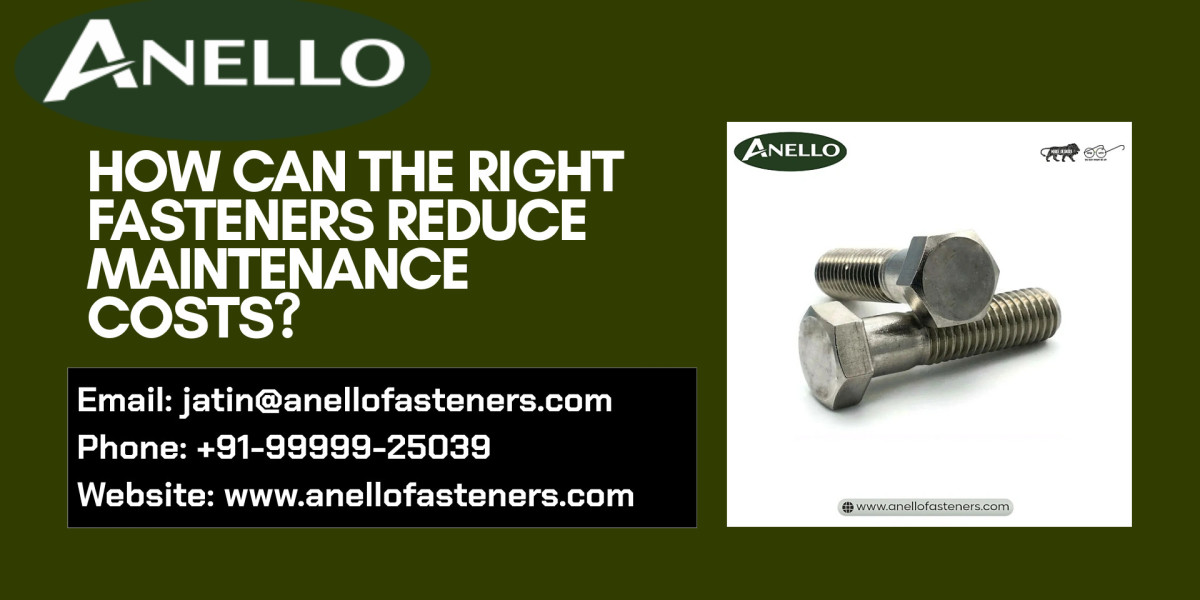

You don’t usually notice a failed nut until the entire assembly starts loosening, rust bleeding appears around the joint, or worse… the equipment shuts down in the middle of operations.
I’ve seen it happen in coastal plants, food-processing units, chemical lines, even warehouse racking systems that looked perfectly fine from a distance. The culprit? Wrong material selection. Not weak design. Not poor installation. Just the wrong Nuts in the wrong environment.
And honestly, that’s where many businesses lose money quietly.
A low-cost fastener choice today can turn into maintenance downtime, replacement labor, structural instability, and corrosion spread six months later. Good procurement teams already know this. Great ones plan for it before the first bolt is tightened.
That’s why corrosion-resistant fastening matters more than ever—especially for companies depending on long-term industrial fastening solutions.
Why Corrosion Resistance Matters More Than Strength Sometimes
Look, most buyers focus on tensile strength first. Makes sense. But in real industrial conditions, corrosion often destroys a fastener before load capacity becomes the issue.
Think about environments exposed to:
Saltwater or humidity
Chemicals and acids
Outdoor weather cycles
High-temperature washdowns
Industrial pollutants
That’s where material science starts mattering.
A nut doesn’t fail dramatically at first. It starts small—surface oxidation, thread seizure, galvanic reaction, pitting. Then maintenance teams struggle to remove assemblies during servicing. Eventually the joint weakens.
And that repair bill? Usually far bigger than the original fastener cost.
Stainless Steel Nuts Still Lead the Market
There’s a reason experienced Nuts Manufacturers continue recommending stainless steel for corrosion-heavy applications.
Not hype. Performance.
304 Stainless Steel Nuts — The Everyday Workhorse
If you've been around food plants, HVAC, construction, or water treatment, you've encountered 304-grade stainless steel.
Why is this?
It has an excellent cost vs. corrosion resistance ratio.
304 stainless steel nuts are corrosion resistant to moisture, light, and not-so-aggressive chemicals and atmospheric corrosion. Coatings are not required.
They also maintain appearance better than zinc-plated alternatives.
For indoor industrial applications, they’re usually the practical choice.
But here’s the catch…
304 performs well in normal moisture conditions, not aggressive chloride-heavy environments. Near marine zones or coastal infrastructure? You may start seeing tea staining and surface corrosion over time.
And honestly? Many buyers underestimate that.
316 Stainless Steel Nuts — Built for Harsh Environments
This is where things get serious.
When clients ask us about maximum corrosion resistance for industrial use, 316 stainless is usually part of the conversation immediately.
316 stainless steels have the molybdenum content that offers resistance to chlorides, saltwater, and caustic environments. Marine engineering and pharmaceutical and chemical process industries use these materials.
You’ll often see 316-grade fasteners paired with Bolts, structural anchors, and heavy-duty Washer systems in corrosive environments.
Especially where failure simply isn’t acceptable.
Where 316 Nuts Perform Best
Offshore structures
Chemical processing units
Coastal construction
Water desalination plants
Marine equipment assemblies
Short version?
If corrosion risk is high and downtime is expensive, 316 stainless usually pays for itself.
Galvanized Nuts — Affordable but Limited
Now let’s be fair. Not every project needs premium stainless steel.
Hot-dip galvanized nuts still have a place in structural applications and outdoor installations. Many Industrial Nuts Suppliers in India continue supplying galvanized fasteners for infrastructure and utility projects because they’re economical and reasonably durable.
The zinc coating protects the base metal temporarily by sacrificing itself first.
But coatings wear down.
Threads get damaged during repeated installation. Abrasion exposes steel underneath. Once that happens, corrosion accelerates fast.
I’ve seen galvanized assemblies last years in dry outdoor conditions… and fail surprisingly quickly in chemical zones.
So yes, galvanized works. But only when the environment matches the limitation.
That distinction matters.
Brass Nuts Resist Corrosion Too — But They’re Specialized
Brass doesn’t rust like carbon steel, which makes it useful for electrical systems, plumbing components, and decorative applications.
But businesses sometimes misuse brass where mechanical strength requirements are higher.
That’s risky.
Brass nuts perform well in low-load, corrosion-prone assemblies. They also resist water exposure reasonably well. However, they’re softer than stainless steel and can deform under heavy torque loads.
Good for conductivity. Not always ideal for structural stress.
And that’s where experienced Industrial Nuts Manufacturers usually guide clients carefully.
Coated Fasteners Aren’t Always the Same Thing as Corrosion Resistance
This gets misunderstood constantly.
A coating helps. A corrosion-resistant base material protects better long term.
There’s a difference.
Some Bolt Manufacturing Company operations offer PTFE-coated, zinc-flake-coated, or ceramic-coated fasteners to improve corrosion performance. These coatings can extend service life significantly in controlled applications.
But coatings can chip.
Threads can wear.
Improper installation can damage protective layers before the assembly even enters service.
That’s why many Modern bolt manufacturers now focus on combining high-grade alloys with advanced surface treatments instead of relying on coating alone.
Smarter approach, honestly.
Don’t Ignore the Washer in Corrosion Protection
People obsess over nuts and bolts… then install cheap washers beside them.
Bad move.
A mismatched Washer can trigger galvanic corrosion, especially when dissimilar metals interact in moisture-heavy environments. I’ve seen stainless assemblies fail prematurely because low-grade washers were added during maintenance replacement.
That tiny component matters more than most procurement teams realize.
Reliable top Washer Manufacturers and Leading Washer Suppliers usually recommend matching washer material with the nut and bolt assembly whenever possible.
Especially in:
Chemical processing systems
Outdoor steel structures
Marine installations
High-vibration assemblies
The full fastening system must work together.
Not individually.
Why Indian Manufacturers Are Competing Globally Now
Honestly, the quality gap has greatly decreased.
Multiple Industrial Nuts Manufacturers in India now manufacture export quality stainless steel fasteners that are compliant with ASTM, DIN, ISO, and BS standards.
The manufacturing capabilities coming from India today are very different from what buyers assumed a decade ago.
Advanced CNC threading, salt spray testing, automated heat treatment, and metallurgical verification have become more common among serious suppliers.
That’s why global buyers increasingly work with:
Industrial Nuts Suppliers
Washer Distributors in India
top Bolt Suppliers in India
Leading Washer Suppliers in India
Pricing still matters, obviously. But consistency matters more.
And businesses sourcing corrosion-resistant fasteners know one thing already—cheap inconsistency becomes expensive very quickly.
The Real Question Isn’t “Which Nut Is Best?”
It’s this:
Best for what environment?
That’s the conversation experienced engineers actually have.
Because a stainless steel nut in the wrong chemical environment can still fail. A galvanized nut in coastal humidity may degrade faster than expected. Even premium-grade assemblies need correct torque, installation, and material pairing.
There’s no universal answer.
But if we’re speaking practically across most industrial applications, stainless steel—especially 316 grade—still offers the strongest combination of durability, corrosion resistance, reliability, and lifecycle value.
That’s why serious Bolts Manufacturers, bolt Suppliers, and fastening specialists continue recommending it for long-term performance.
FAQs
Which model of nuts is the most rust-resistant?
316 stainless steel nuts are the most rust-resistant and are ideal for marine, chemical, and coastal applications.
Would you recommend galvanized nuts for outdoor uses?
Absolutely; galvanized nuts are appropriate for most outdoor lags, though they may corrode rapidly in some environments with a heavy salt concentration.
What are the advantages of using stainless steel nuts in industry?
Stainless steel nuts are used in industry because they are resistant to rust, moisture, chemicals, and temperature. They are also easy to maintain.
Does corrosion resistance depend on washers?
100% correct. Using low-grade or unfit washers can accelerate galvanic corrosion and shorten the lifespan of the entire fastener assembly.
Do Indian fastener manufacturers supply export-quality products?
Yes, several new Industrial Nuts Manufacturers in India have established the supply of quality fasteners that comply with global standards in international trade.
Final Thoughts
Here’s the thing—buying corrosion-resistant Nuts isn’t about paying for premium hardware just because it sounds safer. It’s about reducing future failures you already know are expensive.
The smartest businesses don’t ask, “What’s the cheapest option?”
They ask, “What survives the environment longest with the least downtime?”
That’s a completely different mindset.
And usually…the right one.
Here’s the short explanation, while the full blog covers every important detail.