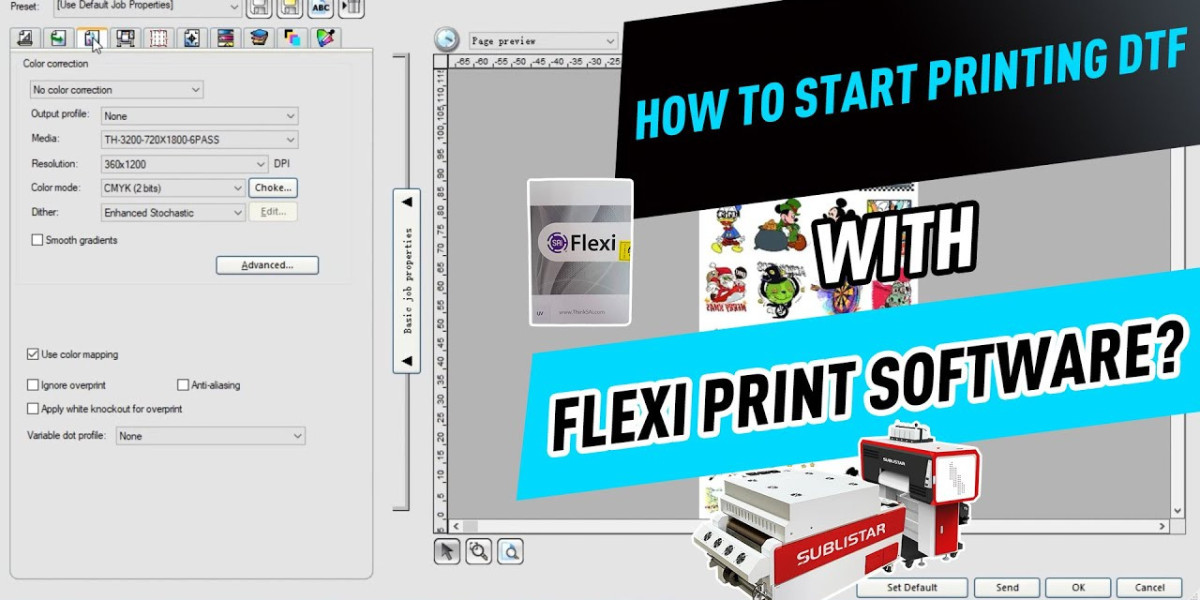

DTF (Direct-to-Film) printing has become one of the most accessible and efficient methods in the custom apparel industry. It allows beginners and small business owners to create high-quality, colorful, and durable designs on various fabrics without the complex setup required in traditional printing methods. As demand for personalized clothing continues to grow, understanding the basics of DTF printing has become essential for anyone entering this field.
Many beginners start exploring the industry after learning about custom dtf transfers, which offer an easy way to print and apply designs onto garments. This method eliminates the need for large production setups and makes it possible to handle both small and bulk orders efficiently, even for those just starting out.
Understanding What DTF Printing Is
DTF printing is a modern printing technique where designs are printed onto a special PET film and then transferred onto fabric using heat and adhesive powder. Unlike screen printing or vinyl methods, DTF does not require separate screens or cutting processes, making it more flexible and beginner-friendly.
The process includes printing the design, applying adhesive powder, curing it, and pressing it onto the garment. The result is a vibrant, durable print that works on cotton, polyester, blends, and even dark fabrics.
Why DTF Printing Is Popular Among Beginners
One of the biggest reasons beginners prefer DTF printing is its simplicity and low entry barrier. It does not require extensive training or expensive setup compared to traditional printing methods.
DTF printing also allows users to produce detailed, full-color designs with minimal effort. This makes it ideal for small businesses, home-based entrepreneurs, and print-on-demand sellers who want to offer customized apparel without investing heavily in infrastructure.
Additionally, the consistency of output helps beginners maintain quality even while learning the process.
Essential Tools Needed for DTF Printing
To get started with DTF printing, a few key tools are required:
DTF Printer
A specialized printer designed to print designs on transfer film using DTF inks.
Transfer Film
A PET film that holds the printed design before it is transferred onto fabric.
Adhesive Powder
A fine powder applied to the printed design to ensure proper bonding with fabric.
Heat Press Machine
Used to apply heat and pressure to transfer the design onto the garment.
DTF Inks
High-quality inks that produce vibrant and long-lasting colors.
Having the right equipment ensures smooth workflow and reduces printing errors, especially for beginners.
Step-by-Step DTF Printing Process
Understanding the workflow is important for achieving professional results. The process typically includes:
Creating a digital design using graphic software
Printing the design onto transfer film
Applying adhesive powder evenly
Curing the film using heat
Pressing the design onto fabric
Peeling and finishing the garment
Each step plays a crucial role in ensuring print quality and durability. Beginners are encouraged to practice each stage carefully before handling bulk orders.
Benefits of DTF Printing
DTF printing offers several advantages that make it one of the fastest-growing printing methods in the apparel industry:
Versatility
It works on a wide range of fabrics including cotton, polyester, and blends.
High-Quality Output
Produces vibrant colors, sharp details, and durable prints.
Cost Efficiency
Reduces setup costs and allows small-batch production.
Easy Customization
Supports complex and multi-color designs without extra effort.
These benefits make DTF printing an excellent choice for startups and growing businesses.
Common Challenges Beginners Face
While DTF printing is relatively simple, beginners may face a few challenges during the learning process. These include improper powder application, incorrect heat settings, color mismatches, and equipment maintenance issues.
Most of these problems can be solved through practice, proper guidance, and using high-quality materials. Learning from mistakes is a natural part of building expertise in this field.
Importance of Design Preparation
Good design preparation is essential for achieving high-quality prints. Beginners should ensure that their artwork is high resolution, properly formatted, and color-accurate before printing.
Software like Adobe Photoshop or Illustrator is commonly used to prepare designs. Proper file setup ensures smooth printing and reduces errors during production.
Improving Efficiency in Production
As beginners gain experience, they often look for ways to improve efficiency. One effective method is organizing multiple designs on a single sheet using a custom gang sheet builder. This helps reduce material waste, save time, and increase productivity.
Efficient production not only reduces costs but also allows businesses to handle larger orders with ease.
Growing a DTF Printing Business
Once the basics are mastered, many beginners transition into full-time business owners. Growth in this industry depends on consistent quality, good customer service, and strong marketing strategies.
Social media platforms, online stores, and local networking can help attract customers. Businesses that maintain quality and reliability often build strong brand reputations over time.
Final Thoughts
DTF printing has simplified the process of creating custom apparel, making it easier for beginners to enter the industry with minimal investment. With the right tools, proper training, and attention to detail, anyone can build a successful printing business. The increasing demand for DTF Transfer solutions highlights the importance of this technology in modern custom apparel production.
In conclusion, DTF printing is a powerful and beginner-friendly method that offers endless opportunities for creativity and business growth.






