India's beer market crossed ₹40,000 crore in 2023 and strong beer accounts for over 60% of total beer volumes sold nationally (Source: IWSR Drinks Market Analysis, 2023). Strong beer dominates Indian social occasions from weekend hangouts to rooftop gatherings. If you want to know what makes strong beer India's go-to party drink and how to enjoy it right, this post covers everything. You'll learn about ABV, flavour, serving tips, and why the demand for craft strong beer in India is rising fast.
What Is Strong Beer and How Is It Different from Regular Beer?
Strong beer contains a higher alcohol by volume (ABV), typically 6% and above, compared to regular lager which usually sits between 4–5% ABV. The higher grain content and extended fermentation give strong beer a fuller body, deeper malt character, and a more pronounced finish. It delivers more intensity per sip.
How ABV Affects the Drinking Experience
ABV directly shapes how a beer feels and tastes. A higher ABV means more residual sugars from fermentation, which adds body and sweetness. Beers above 7% ABV often carry a warming finish that lighter beers cannot replicate. This is why strong beer feels more satisfying at social gatherings where the mood is relaxed and the pace is slow.
American Style Strong Beer vs. Indian Strong Lager
American style strong beer uses specific hop and malt ratios that produce a cleaner, crisper finish compared to traditional Indian strong lagers. Indian strong lagers tend to lean heavier on malt sweetness, while American style variants balance bitterness with body. The craft beer segment in India has adopted American-style brewing to meet demand for more refined strong options.
What 8% ABV Means in Practical Terms
An 8% ABV beer is nearly twice the strength of standard lager. For context, the World Health Organisation classifies a standard drink as containing 10g of pure alcohol (Source: World Health Organisation, 2022). A 330ml can of 8% ABV beer contains approximately 20.8g of alcohol just over two standard drinks. Knowing this helps you pace yourself responsibly during a party session.
What Makes a Strong Beer Good for Parties?
A good party beer must hold its character when slightly warm, pair well with food, and remain consistent across the session. Strong beer fits this brief because its bold flavour does not fade quickly. It also requires fewer refills, which makes social hosting simpler.
Flavour Intensity That Holds Up
Strong beer carries more malt and hop compounds than lighter variants. These compounds are more stable at room temperature. When the ice melts or the bottle warms slightly, a strong beer retains its taste profile far better than a 4.5% lager would. For outdoor parties or long evening sessions, this makes a real difference.
Why Craft Strong Beer Is Rising in India
India's craft beer segment grew at a compound annual rate of over 20% between 2018 and 2023. Urban drinkers are shifting from mass-market strong beers to craft alternatives that offer controlled ingredients and consistent quality. Craft strong beer fills the gap between premium imported beer and standard Indian brands better quality, accessible price point.
The Social Format Strong Beer Suits Best
Strong beer suits slower-paced social formats evening hangouts, small gatherings, balcony sessions. You drink less volume, enjoy more flavour, and the evening stretches naturally. It is not designed for speed drinking. The format it suits best is exactly the kind of chill, low-pressure social moment that has become the default weekend vibe for young urban Indians.
How Should You Serve Strong Beer for the Best Experience?
Serve strong beer between 6–8°C for the sharpest flavour. Below 4°C, the carbonation becomes flat and the malt notes get muted. Above 10°C, the alcohol taste becomes more prominent and harsh. Temperature is the single biggest variable in how strong beer tastes at a party.
Glassware and Pouring Technique
A chilled pint glass or a tall tumbler works best for strong beer. Pour at a 45-degree angle to preserve carbonation and release the aroma. A proper pour produces a 1–1.5 cm head, which concentrates the hop aroma above the liquid. This step takes 10 seconds and meaningfully improves the drinking experience.
Pacing Through a Party Session
Strong beer at 8% ABV demands more intentional pacing than standard lager. A practical approach: alternate one strong beer with a glass of water every 30–40 minutes. This keeps your palate fresh and extends enjoyment through a longer session without overconsumption. It also means you actually taste each beer instead of becoming desensitised after the second one.
Food Pairings That Work
Strong beer pairs well with spiced, fatty, or grilled foods. The malt body cuts through fat and the carbonation clears the palate between bites. Strong beer and tandoori-style food is a natural pairing for the Indian context. Avoid pairing with very sweet desserts the residual sugar in strong beer creates a cloying combination that neither food nor beer recovers from.
Is Craft Strong Beer a Better Choice Than Mass-Market Options?
Craft strong beer uses fewer additives and more precise fermentation control. Mass-market strong beer prioritises volume and shelf stability, often at the cost of flavour consistency. For a party context where you want guests to actually enjoy the beer, craft variants deliver a noticeably cleaner finish and more reliable taste batch to batch.
Ingredient Quality and Brewing Process
Craft breweries typically use two-row barley malt, whole or pellet hops, and controlled yeast strains. This produces fewer fermentation by-products like fusel alcohols, which are the compounds responsible for the harsh headache-inducing quality in lower-quality strong beers. The difference shows up most clearly the morning after.
Price vs. Value at a Party Scale
Craft strong beer sits at a slight premium over mass-market alternatives. However, the higher ABV means guests consume less volume to reach the same effect. When you calculate cost per unit of alcohol rather than cost per bottle, craft strong beer often works out comparable to or cheaper than buying larger volumes of lower-ABV options.
Conclusion
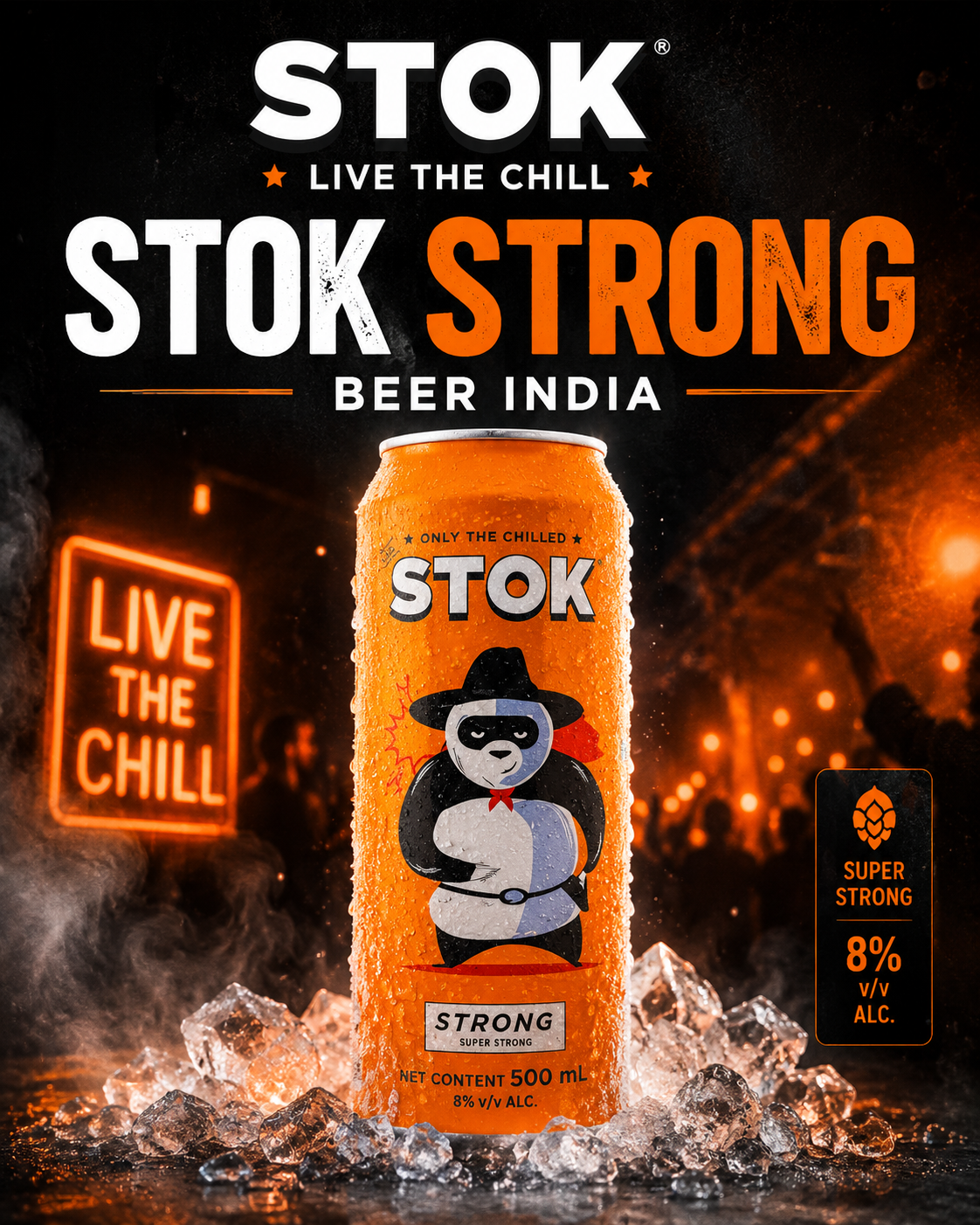
Strong beer India has evolved well past the basic high-ABV mass-market format. Craft options now offer bold flavour, consistent quality, and a format that suits the way young Indians actually socialise. STOK strong beer India, brewed in the American style at 8% ABV, fits directly into this shift. The question worth asking is not whether to drink strong beer at your next gathering it is whether you are serving something worth actually tasting.