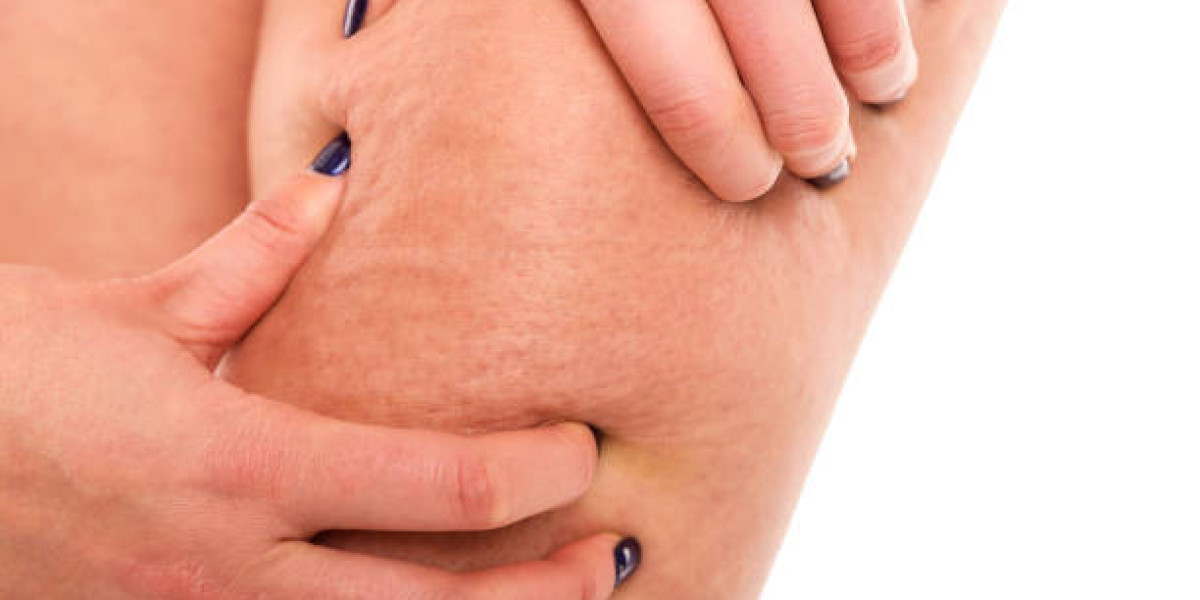

Understanding Lipedema and Its Impact
It is often misunderstood as simple weight gain, but it is a medical condition that requires proper awareness and guidance. Many individuals experience discomfort, swelling, and sensitivity in affected areas, which can gradually impact mobility and confidence. Early awareness plays a key role in managing symptoms and improving quality of life.
Lipedema is more than a cosmetic concern; it is a progressive disorder that can affect both physical comfort and emotional well-being. With growing awareness in healthcare communities, more patients are now seeking specialized guidance from a Lipedema specialist in Riyadh to better understand their condition and explore appropriate management strategies. This shift in awareness is helping patients receive more accurate evaluations and supportive care tailored to their needs.
Early Signs and Common Symptoms
The early signs of lipedema often include a symmetrical buildup of fat in the lower body that does not respond significantly to diet or exercise. Patients may notice tenderness in the affected areas, easy bruising, and a feeling of heaviness in the legs. Over time, the condition may progress, making daily activities more challenging and causing discomfort during long periods of standing or walking.
Another important characteristic is that the feet are usually not affected, which helps differentiate lipedema from other conditions like lymphedema. This distinction is essential for proper diagnosis and ensures that patients receive the right form of support and care.
Causes and Risk Factors
The exact cause of lipedema is not fully understood, but it is believed to have a strong hormonal and genetic component. It often appears or worsens during periods of hormonal change such as puberty, pregnancy, or menopause. Family history can also play a significant role, suggesting that genetics may influence the likelihood of developing the condition.
While lifestyle is not the root cause, maintaining a healthy routine can help manage symptoms. Understanding these factors allows patients to approach the condition without self-blame and focus instead on effective symptom management.
Diagnosis and Medical Evaluation
Diagnosing lipedema involves a careful clinical evaluation based on physical symptoms, patient history, and pattern of fat distribution. Since there is no single laboratory test for the condition, healthcare professionals rely on observation and exclusion of other similar disorders.
Early diagnosis is important because it helps prevent progression and allows patients to adopt supportive measures sooner. Proper evaluation also ensures that individuals are not misdiagnosed with obesity alone, which can delay effective care and understanding of their condition.
Management and Supportive Care Options
Managing lipedema focuses on reducing discomfort, improving mobility, and preventing progression. A combination of lifestyle adjustments, compression therapy, and specialized medical guidance can significantly improve day-to-day comfort. Gentle physical activities such as swimming or low-impact exercises are often recommended to support circulation and reduce strain on affected areas.
Emotional support is equally important, as living with a chronic condition can affect mental health and self-esteem. Support groups, education, and professional counseling can help individuals feel more empowered and informed about their condition.
Living with Lipedema in Riyadh
Awareness in Riyadh is growing, and more individuals are becoming familiar with the symptoms and challenges of lipedema. This increased understanding is encouraging people to seek medical advice earlier rather than dismissing the condition as general weight gain. Access to better information and support systems is helping patients take control of their health journey with confidence.
Frequently Asked Questions
What is lipedema and how is it different from obesity?
Lipedema is a medical condition involving abnormal fat distribution, primarily in the lower body. Unlike obesity, it does not respond significantly to diet and exercise and often includes pain and sensitivity in affected areas.
Who is most likely to develop lipedema?
Lipedema is more common in women and is often linked to hormonal changes and genetics. It may appear or worsen during puberty, pregnancy, or menopause.
Can lipedema be cured completely?
There is currently no complete cure for lipedema, but its symptoms can be managed effectively through medical guidance, lifestyle support, and symptom-focused care.
How is lipedema diagnosed by specialists?
Diagnosis is made through physical examination, medical history review, and pattern recognition of fat distribution. Specialists rule out other conditions before confirming lipedema.
Why is early awareness important for lipedema patients?
Early awareness helps in managing symptoms more effectively, preventing progression, and ensuring patients receive appropriate care and support at the right time.
Consultation at Enfield Royal Clinic
For individuals seeking proper evaluation and personalized guidance, Enfield Royal Clinic offers dedicated support for understanding and managing lipedema. The clinic focuses on patient education, accurate assessment, and tailored care approaches designed to improve comfort and quality of life. With a patient-centered approach, Enfield Royal Clinic aims to help individuals make informed decisions and receive the right support throughout their journey.






