
To ease the financial burden of obtaining a master's degree, prospective students should explore various financial aid options. Many institutions offer scholarships specifically for students pursuing careers in mental health counseling. These scholarships can https://reputable.cc/profile/danilonordstro significantly reduce tuition costs and make higher education more accessible. Table of Key Data on Mental Health Counseling Moreover, the integration of research methods and statistics courses allows students to critically evaluate existing literature, https://reputable.cc/profile/danilonordstro fostering an evidence-based approach to counseling. Understanding research is crucial for counselors, as it aids in staying informed about the latest trends and effective interventions in mental health. This comprehensive approach ensures that graduates are well-prepared to address a variety of mental health issues effectively. Finalizing Your Enrollment Ultimately, the choice of learning environment will depend on individual preferences and circumstances. While some students thrive in an online setting, others may find that they learn better through direct interaction and engagement. It is crucial to reflect on one's learning style and needs when making this decision. Establishing a Support Network While online programs offer flexibility, they also come with unique challenges. One of the most significant hurdles is the need for self-discipline and time management. Without a structured environment, some students may struggle to stay on track with assignments and deadlines. Developing a solid study routine and setting clear goals can help mitigate these challenges. Career Opportunities in Mental Health Counseling Moreover, many universities offer financial aid, scholarships, and payment plans to help ease the financial burden on students. Understanding the financial options available can empower prospective students to make informed decisions about their education and career path
As the mental health landscape evolves, so do the requirements for practitioners. Holding a master's degree in clinical mental health counseling equips professionals with the advanced understanding of psychological theories, therapeutic techniques, and ethical practices required to address complex client needs. Furthermore, this level of education fosters personal development, enabling counselors to become more empathetic and effective in their roles. The journey through a master's program is transformative and empowering, positioning graduates to thrive in a rewarding career dedicated to helping others. Start Your Application Today Obtaining licensure is a critical step for counselors wishing to practice professionally. Each state has https://reputable.cc/profile/danilonordstro specific requirements for licensure, which typically include completing a master's degree, accruing supervised clinical hours, and passing a national exam. It is essential for students to familiarize themselves with their state's regulations to ensure they meet all necessary criteria. Additionally, pursuing certifications in specialized areas can enhance a counselor's qualifications and marketabilit
After you complete this program, you can research your state’s approved pathways to transition from a general LPC to a specialized field. For students enrolling today, who are placed on the current academic year’s degree completion plan, the officially conferred degree name will be Master of Arts (MA) in Clinical Mental Health Counseling. Completing a counseling degree online can help prepare you for counseling practice through rigorous academic courses, dynamic interaction with mentors and faculty, and a carefully structured practicum and internship process. When weighing the pros and cons of enrolling in an online Clinical Mental Health Counseling Master's program, consider how these factors align with your personal preferences and professional goals. While the flexibility and accessibility of online programs are significant advantages, the challenges of self-motivation and reduced interaction should also be taken into account. Analyzing these aspects can help you make a well-informed decision about your education. Specializations Available In conclusion, now is an opportune time to pursue a Master's in Clinical Mental Health Counseling, given the growing demand for qualified professionals in this field. The combination of a favorable job outlook, flexible learning options, and the chance to make a meaningful impact on individuals' lives makes this path a compelling choice for aspiring counselors. As societal awareness of mental health continues to rise, the need for skilled practitioners who can provide effective support is undeniable. By taking the step to pursue a master's degree, individuals not only enhance their career prospects but also contribute to a vital societal need, positioning themselves as leaders in the mental health field. Understanding Admission Requirements Graduate studies often challenge students to confront their own beliefs and biases, which can be an intense yet rewarding experience. This process builds resilience as students learn to navigate difficult conversations and uncomfortable emotions. Developing coping strategies during this period is crucial, as it prepares future counselors for the emotional demands of the profession. Networking Opportunities and Professional Development Moreover, considerations such as licensure requirements, financial planning, and the benefits of continuing education are crucial for success in this evolving field. By weighing the pros and cons of the program, students can prepare themselves for the challenges and rewards that lie ahead. Ultimately, a Master's in Clinical Mental Health Counseling is more https://reputable.cc/profile/danilonordstro than just a degree; it is a pathway to a fulfilling career dedicated to supporting the mental well-being of individuals and communitie

Popular Posts
-
 1Win प्रोमो कोड आज: 1WIN2026VIP – 500% वेलकम बोनस
By wedepi8684
-
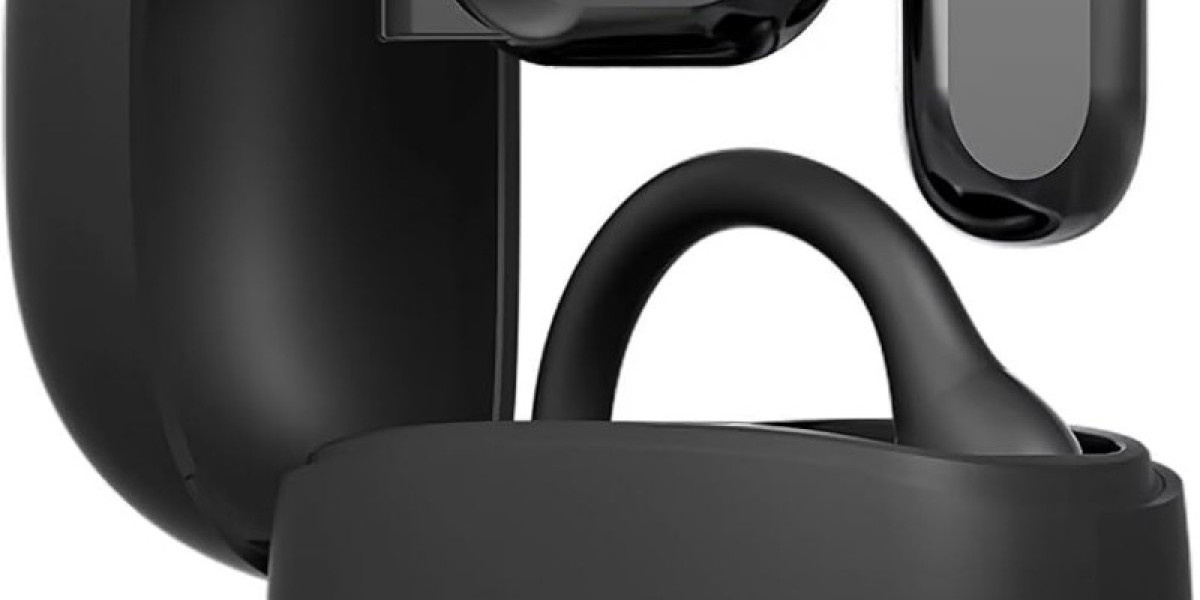 Who Makes the Best Translation Earbuds in 2024?
-
 The BET 9JA promotion code 2026 is YOHAIG
-
 Expert Electric Bus Manufacturer with excellent Electric Bus Tron-e Technology
-
Anadrol vs Dianabol Dbol: Which is the Better Steroid?
By sheena lee


